Product Introduction
Aniline is one of the most important basic organic raw materials among aromatic amines, CAS No. 62-53-3. At room temperature, it is a colorless to light yellow oily liquid that gradually oxidizes and darkens to brown when exposed to air and light. Industrially, this product is mainly produced by catalytic hydrogenation of nitrobenzene, and there is also the phenol ammonolysis route. After distillation and purification, the moisture and nitrobenzene residues are extremely low. Aniline is weakly basic, can form salts with acids, is slightly soluble in water, and readily soluble in organic solvents such as ethanol, ether, and benzene. In fuel blending, aniline and its derivatives are used as gasoline anti-knock components due to their high octane blending effects; in organic synthesis, it is a key upstream raw material for MDI, rubber additives, dyes, and pharmaceutical intermediates.
Basic Product Specifications
| CAS No. | UN No. | HS Code | Hazard Class | Density g/cm³ (20°C) | Purity ≥ |
| 62-53-3 | 1547 | 2921411000 | 6.1 | 1.022 | 99.5 |
For complete and detailed specifications of this product, please contact our staff to obtain the latest inspection report for the corresponding batch.
Product Uses
1. Fuel blending: Used as a high-octane blending component to increase gasoline octane number and improve anti-knock performance;
2. Polyurethane industry chain: MDI is produced via condensation and phosgenation routes; it is an upstream raw material for rigid polyurethane foam and slurries;
3. Rubber additives: A core raw material for producing accelerators and antioxidants (such as antioxidant 4010NA, accelerator DM, etc.);
4. Dyes and pigments: An important intermediate for synthesizing azo dyes, aniline black, and phthalocyanine pigments;
5. Pharmaceuticals and agrochemicals: Used in the synthesis of paracetamol, sulfonamide drugs, and some herbicides and fungicides.
Packaging, Storage and Transportation
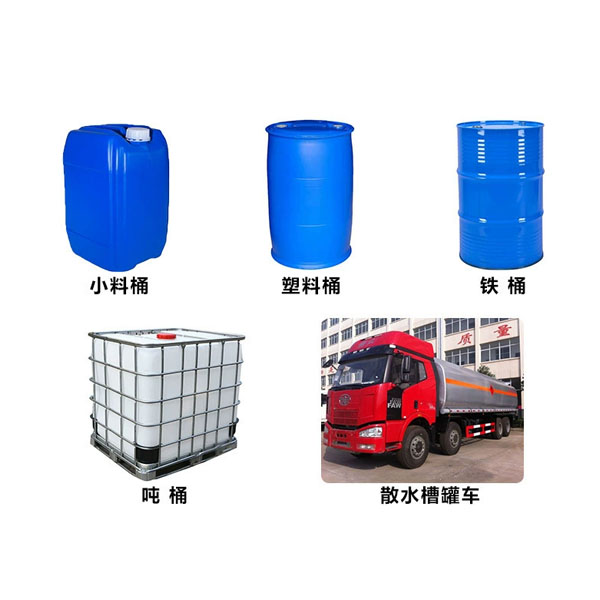
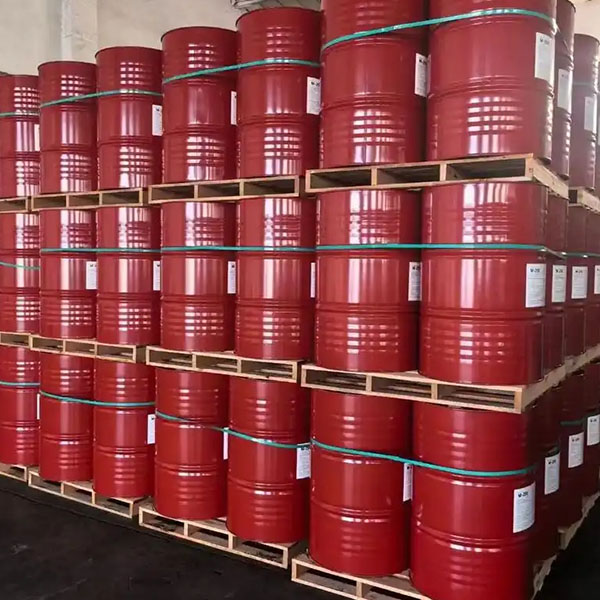
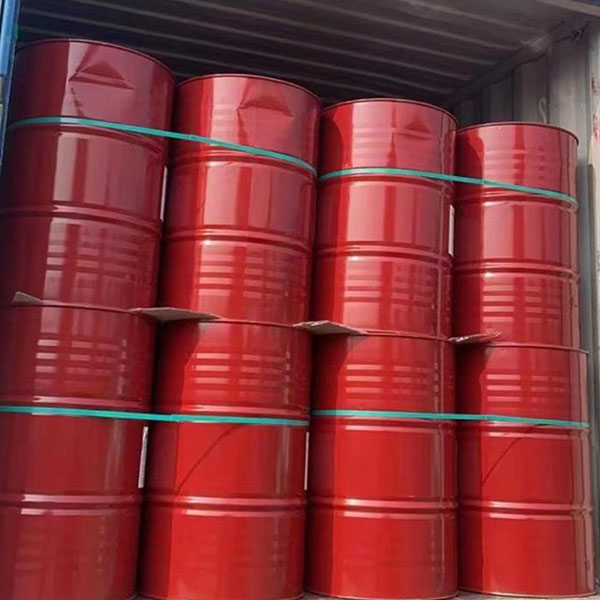
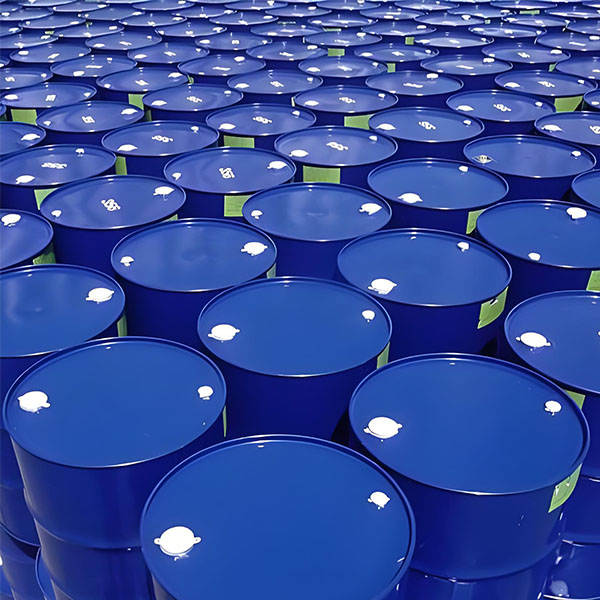
Packaging: Conventionally packaged in 200L galvanized iron drums (net weight approx. 180kg/drum). For large quantities, 1000L IBC totes and ISO tank containers can be provided for full-container shipment. A standard 20GP export container can hold 80 drums.
Storage: This product is a Class 6.1 toxic substance, UN No. 1547. It must be stored in a dedicated hazardous goods warehouse that is cool, ventilated, and protected from light; the warehouse temperature should not exceed 30°C. It should be stored separately from oxidizers, acids, and food chemicals; mixed storage is strictly prohibited. Containers must be kept sealed and nitrogen-blanketed to reduce oxidative discoloration. The storage area should be equipped with leak emergency response equipment and suitable containment materials.
Transportation: Transport according to Class 6.1 toxic substance regulations. The carrier must have hazardous goods transport qualifications and carry dangerous goods transport certificates and emergency cards in the vehicle. Handle with care during loading and unloading to prevent damage to packaging and containers. Operators must wear protective equipment such as gas masks and oil-resistant rubber gloves.
Product Advantages
1. Stable supply, long-term spot availability, suitable for large-volume foreign trade orders;
2. Consistent product purity with small batch-to-batch variation, suitable for downstream deep-processing production;
3. Leveraging a complete chemical supply chain system, it supports one-stop centralized procurement of multiple categories of chemical raw materials.