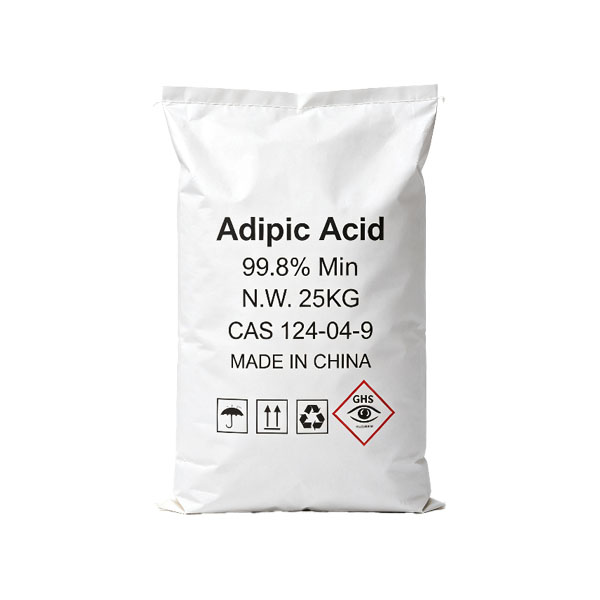
Product Introduction
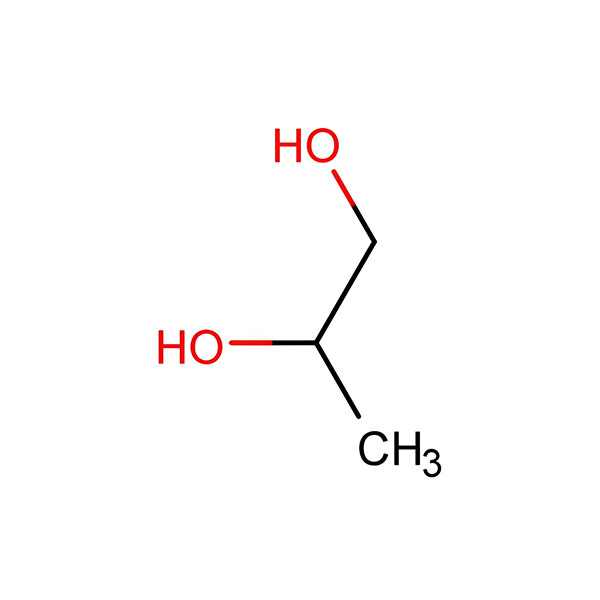
Adipic Acid (abbreviated AA), CAS No. 124-04-9, is a white crystalline powder with a slight acidic odor, slightly soluble in cold water and readily soluble in hot water and ethanol. Industrially, it is produced by nitric acid oxidation of cyclohexane or cyclohexanol/cyclohexanone (KA oil), with a cyclohexene route via partial hydrogenation of benzene also available. Adipic acid is the most important aliphatic dibasic acid, and its six-carbon straight-chain structure imparts excellent flexibility and low-temperature resistance to its polymers: polycondensation with hexamethylenediamine yields nylon 66 (the primary material for engineering plastics and industrial yarns), while polycondensation with polyols yields polyester polyols (raw materials for polyurethane flexible foam and elastomers). It also has stable applications in the fields of food acidulants, plasticizers, and polyurethane slurries.
Basic Product Specifications
- CAS No.: 124-04-9
- UN No.: None
- HS Code: 2917120001
- Hazard Class: General Cargo
- Density: 1.36 g/cm³ (20°C, solid)
- Purity: ≥99.7% (Moisture ≤0.20%, Ash ≤0.002%, Iron ≤0.0001%, Color (APHA) ≤10, Melting point 151–154°C)
For complete and detailed specifications of this product, please contact our staff to obtain the latest test report for the corresponding batch.
Product Applications
- Nylon 66: Polycondensed with hexamethylenediamine to produce nylon 66 chips, used in engineering plastics, industrial yarns, tire cord fabric, and carpet fibers;
- Polyurethane: Polycondensed with polyols to produce polyester polyols, further used in PU flexible foam, elastomers, shoe soles, and synthetic leather slurries;
- Plasticizers: Esterified with octanol to produce cold-resistant plasticizers such as dioctyl adipate (DOA);
- Food and pharmaceuticals: Used as an acidulant, pH regulator, and gelling aid in food (food-grade) and pharmaceutical excipients;
- Other applications: Used as a curing agent for powder coatings, a lubricant additive, a paper wet-strength agent, and a water treatment agent.
Packaging, Storage, and Transportation
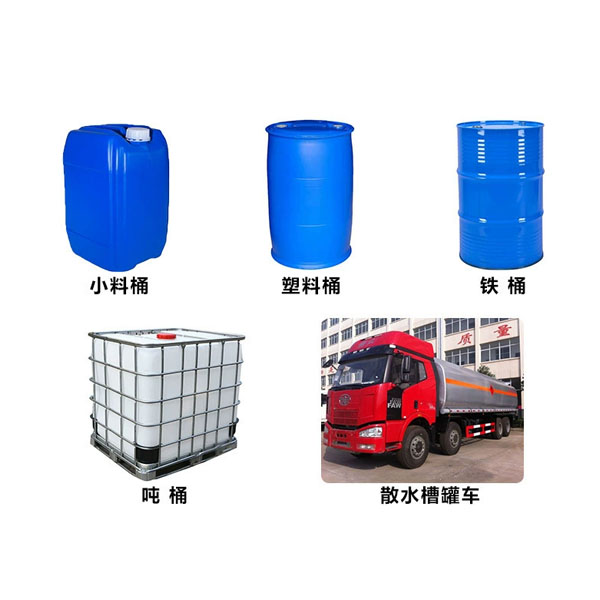
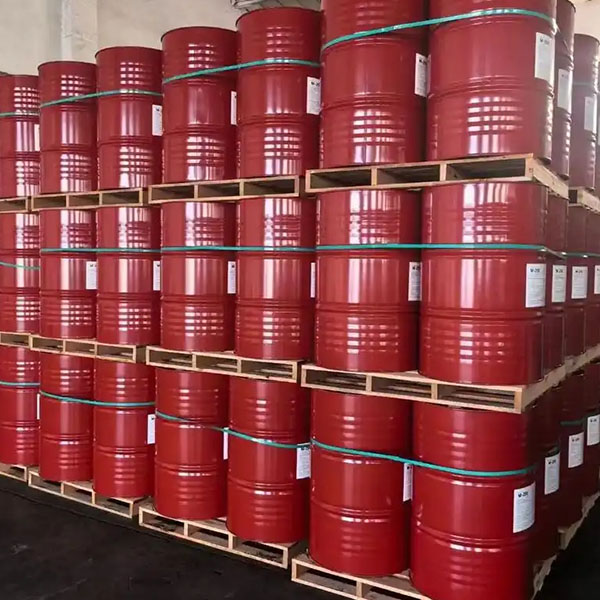
Packaging: Standard packaging in 25kg woven bags or kraft paper bags with plastic liners; for large volumes, 500kg or 1000kg jumbo bags are available, or bulk shipment via powder tanker trucks.
Storage: Not classified as a hazardous chemical; store as general cargo. Must be stored in a dry, well-ventilated, clean warehouse, protected from rain and moisture — moisture exposure can cause caking and excessive moisture content. Keep away from heat sources, ignition sources, strong oxidizers, and strong alkalis, and avoid storing together with colored or odorous materials. Stack neatly on raised platforms, and keep the warehouse clean and dust-free. Food-grade product must be stored in a dedicated warehouse, strictly separated from industrial-grade product.
Transportation: Transport as general cargo. During loading and unloading, handle gently to prevent packaging damage and dust dispersion, and protect against rain exposure and moisture throughout transport. Operators are recommended to wear dust masks and gloves (this product’s dust causes mild irritation to the eyes and respiratory tract). Food-grade product transport must use clean transport vehicles with records retained.
Product Advantages
- Stable supply sources with long-term spot availability, suitable for large-volume foreign trade orders;
- Consistent product purity with minimal batch-to-batch variation, suitable for downstream deep-processing production;
- Backed by a comprehensive chemical supply chain system, enabling one-stop procurement across multiple categories of chemical raw materials.