Product Overview
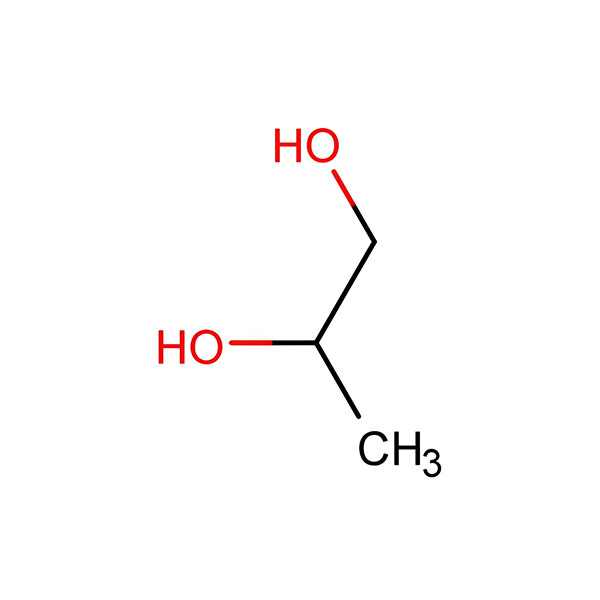
Propylene Glycol (1,2-Propanediol, abbreviated as PG), CAS No. 57-55-6, is a colorless, transparent, viscous liquid that is nearly odorless, has strong hygroscopicity, and is miscible with water and ethanol in any ratio. Industrially, it is mainly produced through the hydration of propylene oxide; our supply also comes from the transesterification co-production process of DMC production facilities, offering a clear cost advantage. Propylene glycol is classified by purity into industrial grade and pharmaceutical/food grade (USP/EP), with the latter subject to extremely strict limits on diethylene glycol and ethylene glycol residues. This product has low toxicity, good moisturizing properties, and a broad range of solubility, making it a versatile polyol used in unsaturated polyester resins, antifreeze, and the food and cosmetics industries.
Basic Product Specifications
- CAS No.: 57-55-6
- UN No.: None
- HS Code: 2905320000
- Hazard Class: General cargo
- Density: 1.04 g/cm³ (20°C)
- Purity: ≥99.5%
For the complete and detailed parameters of this product, please contact our staff to obtain the latest test report for the corresponding batch.
Product Uses
- Unsaturated Polyester Resin: Used as a diol component that undergoes polycondensation with maleic anhydride and phthalic anhydride to produce UPR resin, used in fiberglass, artificial stone, and coatings.
- Antifreeze and Coolant: Used as a low-toxicity, environmentally friendly antifreeze agent for food machinery, HVAC systems, and radiant floor heating systems, replacing ethylene glycol.
- Food and Pharmaceuticals: Used as a solvent, humectant, carrier, and anti-caking agent in food additives, oral solutions, and injectable formulation excipients (USP grade).
- Cosmetics and Personal Care: Used as a humectant and solvent in creams, lotions, toothpaste, and wet wipes.
- Plasticizers and Surfactants: Used to produce downstream products such as propylene glycol fatty acid esters (e.g., propylene glycol monostearate) and propylene glycol diacetate.
Packaging and Storage/Transportation
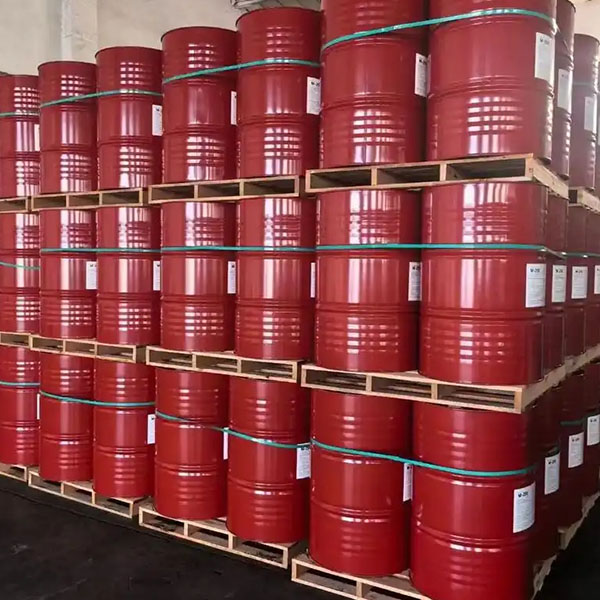
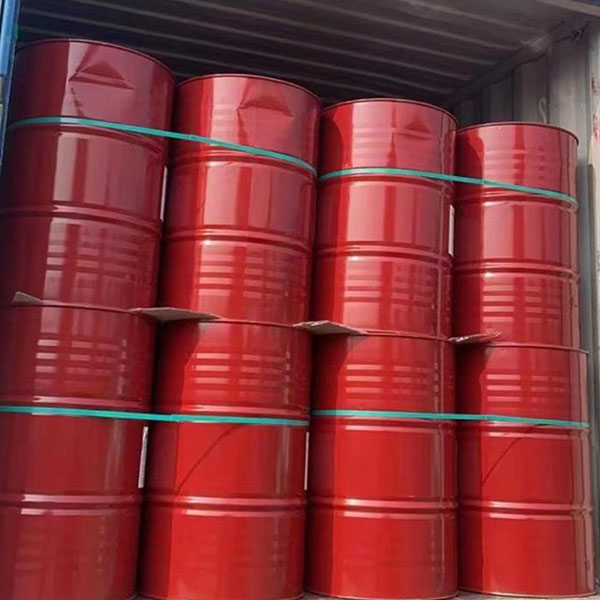
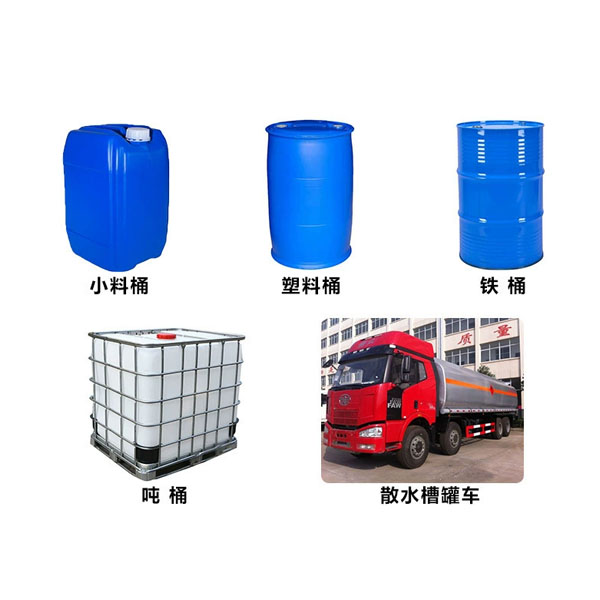
Packaging: Typically packaged in 215kg galvanized iron drums or plastic drums; large quantities are shipped in bulk via 1000L IBC tote tanks, ISO tank containers, and tank trucks. Pharmaceutical/food grade product is packaged in dedicated clean drums with lead seals.
Storage: This product is not classified as a hazardous chemical and is stored as general cargo. It must be stored in a cool, dry, well-ventilated warehouse, with containers sealed to prevent moisture absorption — this product is highly hygroscopic, and open storage will cause the moisture content to exceed specification. Keep away from heat sources and oxidizers, and avoid prolonged direct sunlight exposure. Pharmaceutical/food grade product must be stored in a dedicated warehouse, separate from industrial-grade product, to prevent cross-contamination.
Transportation: Transported as general cargo, using ordinary box trucks or tank trucks. During loading and unloading, precautions should be taken against rain exposure, contamination, and packaging damage, and transport vehicles must be clean and dry. For pharmaceutical/food grade product, tank cleaning certificates and previous cargo records must be verified before transport.
Product Advantages
- Stable supply sources with long-term spot availability, suitable for large-volume foreign trade orders.
- Stable product purity with minimal batch-to-batch variation, suitable for downstream deep-processing production.
- Backed by a comprehensive chemical supply chain system, enabling one-stop procurement of multiple categories of chemical raw materials.