Product Overview
Dimethylaniline (N,N-Dimethylaniline, abbreviated as DMA), CAS No. 121-69-7, is a colorless to light yellow oily liquid with a strong ammonia-like odor that oxidizes and turns yellow to brown upon exposure to air. Industrially, it is produced through the deep methylation of aniline with methanol under acidic catalytic conditions, with the by-product N-methylaniline recovered through distillation separation. This product is an important tertiary amine intermediate; since its nitrogen atom has no active hydrogen, it exhibits good reaction selectivity and is widely used as a dye synthesis intermediate, a curing accelerator for unsaturated polyester resins, and an organic synthesis catalyst. In the fuel sector, it can also be used as an octane-blending component.
Basic Product Specifications
- CAS No.: 121-69-7
- UN No.: 2253
- HS Code: 2921420000
- Hazard Class: Class 6.1
- Density: 0.956 g/cm³ (20°C)
- Purity: ≥99.5%
For the complete and detailed parameters of this product, please contact our staff to obtain the latest test report for the corresponding batch.
Product Uses
- Resin Curing Accelerator: Used together with peroxide initiator systems for the room-temperature rapid curing of unsaturated polyester resins, acrylic bone cement, and anaerobic adhesives.
- Dye Intermediate: Used to synthesize triarylmethane dyes such as crystal violet, methyl violet, and basic green, as well as certain azo dyes.
- Fuel Blending: Used as a gasoline octane-improving component.
- Pharmaceuticals and Pesticides: Used to synthesize certain pharmaceutical intermediates, vanillin, and pesticide active ingredients.
- Organic Synthesis: Used as an acid scavenger, catalyst, and solvent in fine chemical reactions.
Packaging and Storage/Transportation
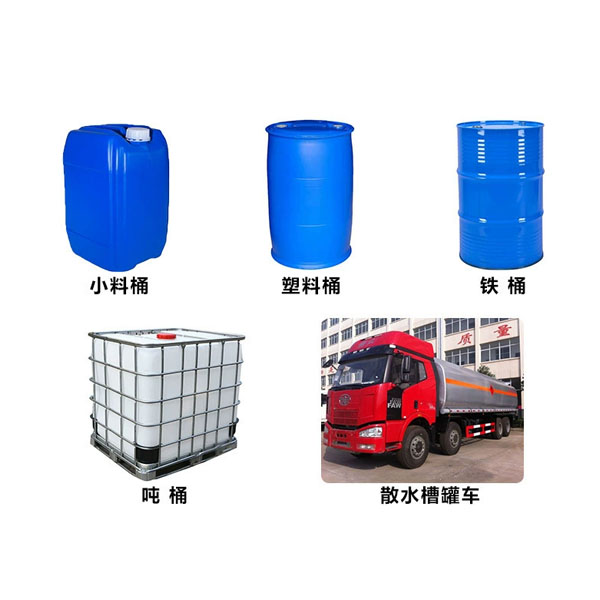
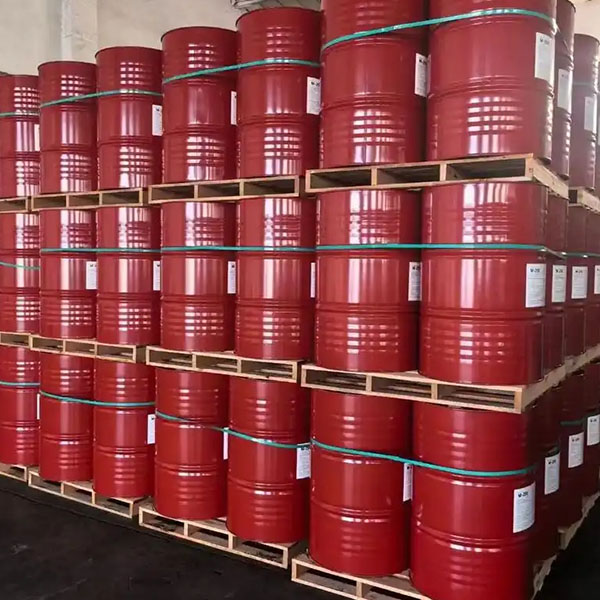
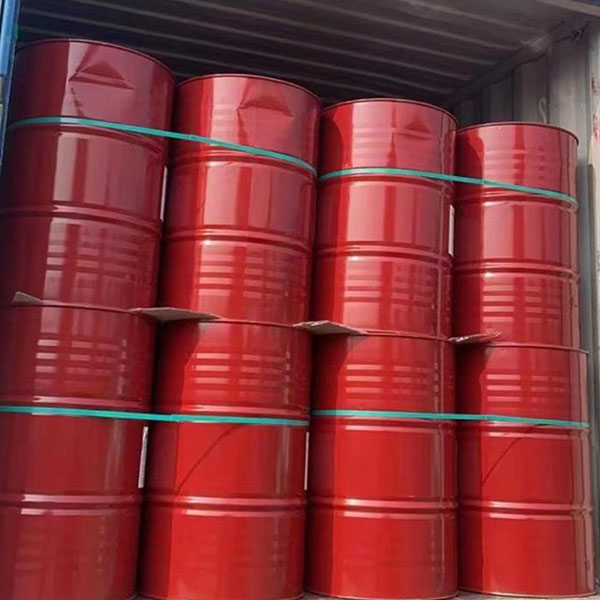
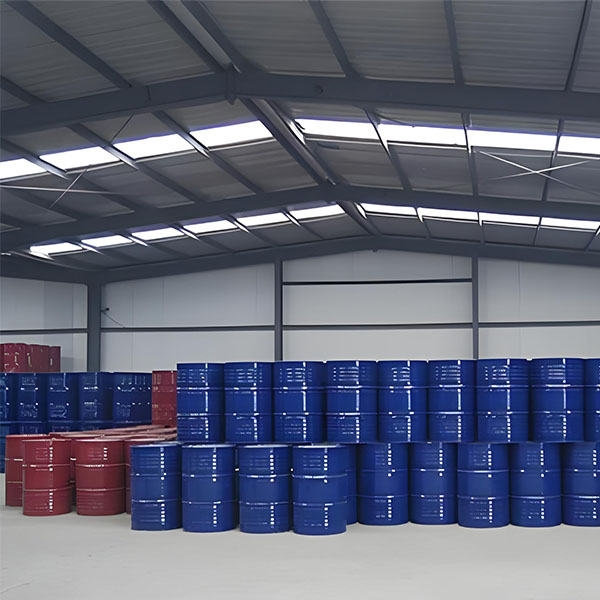
Packaging: Packaged in 200L galvanized iron drums, with a net weight of approximately 190 kg per drum. For large quantities, 1000L IBC tote tanks and ISO tank shipping are available.
Storage: This is a Class 6.1 toxic substance, UN No. 2253. It must be stored in a cool, well-ventilated hazardous materials warehouse shielded from light, with a warehouse temperature not exceeding 30°C, away from ignition and heat sources. It must be strictly separated from oxidizers, strong acids, and food raw materials. Containers should remain sealed, and nitrogen blanketing is recommended to prevent oxidation.
Transportation: Must be transported in accordance with Class 6.1 toxic substance regulations and requires appropriate hazardous goods transportation qualifications. In summer, transportation during high-temperature periods should be avoided to prevent direct sunlight exposure; during loading and unloading, care should be taken to prevent collisions or friction that could cause leaks. Good ventilation must be maintained at the work site, and operators should be equipped with gas masks and oil-resistant protective gloves.
Product Advantages
- Stable supply sources with long-term spot availability, suitable for large-volume foreign trade orders.
- Stable product purity with minimal batch-to-batch variation, suitable for downstream deep-processing production.
- Backed by a comprehensive chemical supply chain system, enabling one-stop procurement of multiple categories of chemical raw materials.