Product Overview
Diesel Pour Point Depressant (also known as Diesel Cold Flow Improver or Cold Filter Plugging Point Improver), CAS No. 24937-78-8, is primarily composed of an ethylene-vinyl acetate copolymer (EVA) polymer, typically used after being compounded with a dispersant and carrier solvent. Its appearance is a light yellow to amber viscous liquid. Its mechanism of action involves co-crystallizing with or adsorbing onto the paraffin wax crystals that precipitate out of diesel, thereby altering the nucleation mode, size, and shape of the wax crystals. This inhibits wax crystal growth and inter-crystal bridging/agglomeration, significantly lowering the diesel’s Cold Filter Plugging Point (CFPP) and Pour Point (PP). This product requires only a very small dosage—typically 300–800 ppm can lower the cold filter plugging point by 10–15°C—making it a key additive for refineries and oil depots to adjust diesel grades and increase winter diesel yield.
Basic Product Specifications
- CAS No.: 24937-78-8
- UN No.: None / 1993 / 3082 (depending on formulation)
- HS Code: 3811900000
- Hazard Class: General cargo / Class 3 / Class 9 (depending on formulation)
- Density: 0.85–0.97 g/cm³ (20°C, varies by grade and carrier solvent)
- Purity: Active substance content ≥99% (active component content varies by grade; can be selected according to requirements for 0#, -10#, -20#, and -35# diesel)
For the complete and detailed parameters of this product, please contact our staff to obtain the latest test report for the corresponding batch.
Product Uses
- Refinery Diesel Blending: Adjusts diesel cold filter plugging point and pour point, allows flexible switching between diesel grades, and improves light diesel yield and economic efficiency.
- Oil Depots and Gas Stations: Used for winter diesel anti-gelling treatment to prevent wax crystals from clogging filter screens during storage, transportation, and refueling.
- Vehicles and Construction Machinery: Improves the low-temperature flow properties of diesel, ensuring smooth engine cold starts in low-temperature environments.
- Middle Distillates: Used to improve the low-temperature flow properties of middle distillates such as jet fuel and fuel oil.
Packaging and Storage/Transportation
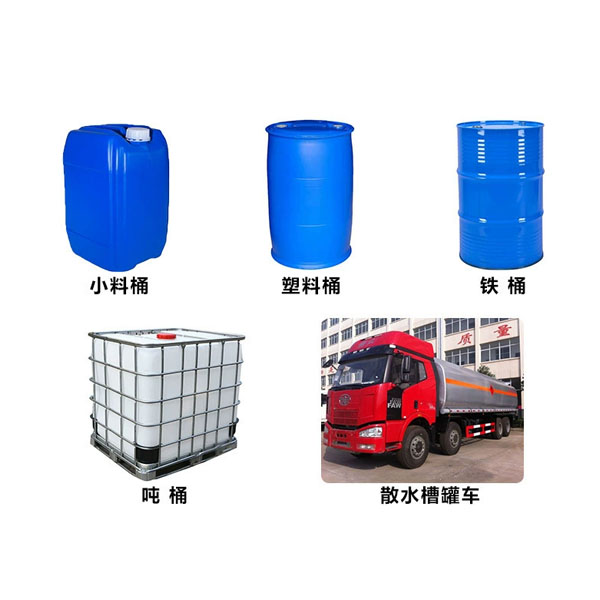
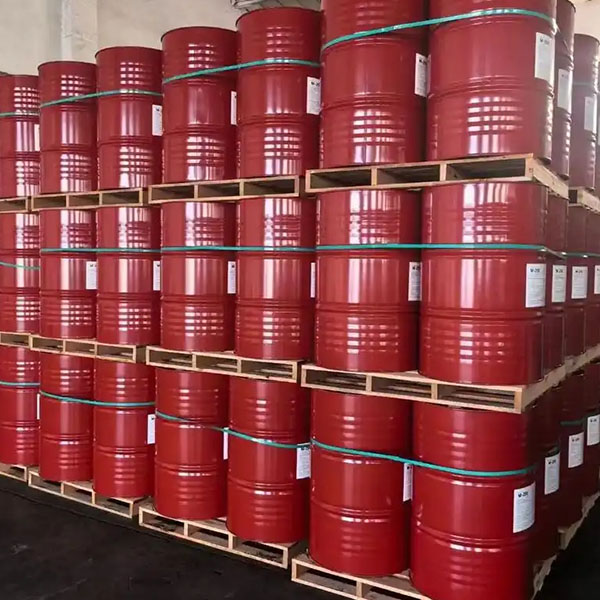
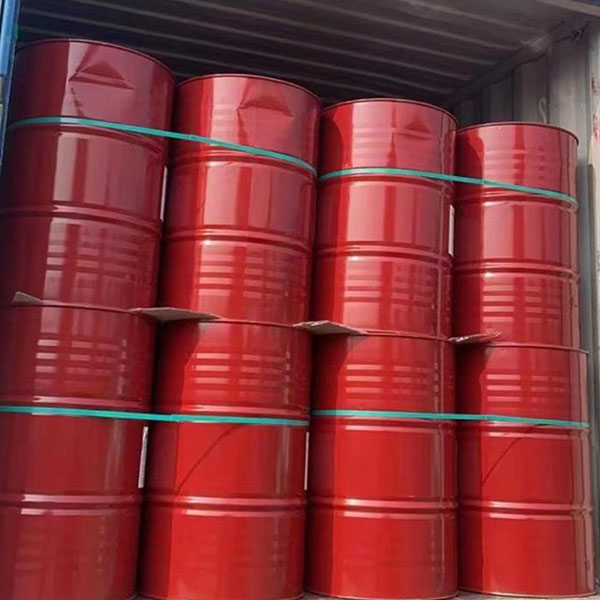
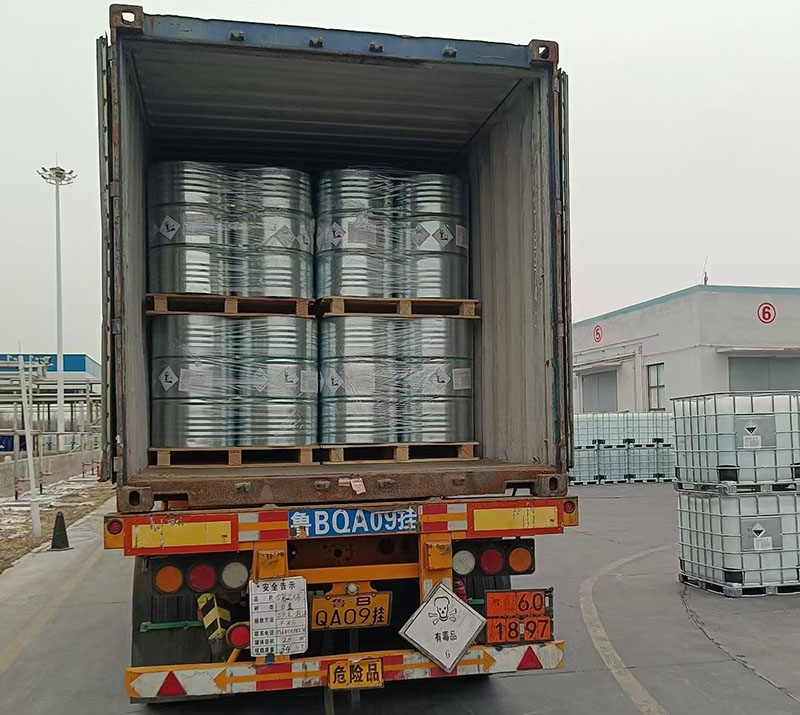
Packaging: Typically packaged in 200L galvanized iron drums, with a net weight of 170–180 kg per drum. 1000 kg IBC tote tanks and bulk tank truck shipping are also available.
Storage: Store sealed at room temperature in a cool, well-ventilated, dry warehouse, avoiding prolonged exposure to direct sunlight. When properly sealed, there is no special limitation on storage duration. If thickening or stratification occurs after prolonged storage in low-temperature environments, the product should be heated and melted at 40–45°C and thoroughly stirred before use, which will not affect its performance.
Transportation: The specific transportation classification is determined by the flash point of the carrier solvent in the actual formulation. General cargo formulations are transported as ordinary goods, while formulations containing low-flash-point solvents are handled as Class 3 flammable liquids or Class 9 goods. Before use, it is recommended to first dilute the product with jet fuel or atmospheric diesel at a ratio of approximately 1:15 to prepare a master batch, then add it to diesel at an operating temperature of no less than 50°C and mix thoroughly. Do not pour the undiluted product directly into diesel, in order to ensure the pour point depressant effect is fully realized.
Product Advantages
- Stable supply sources with long-term spot availability, suitable for large-volume foreign trade orders.
- Stable product purity with minimal batch-to-batch variation, suitable for downstream deep-processing production.
- Backed by a comprehensive chemical supply chain system, enabling one-stop procurement of multiple categories of chemical raw materials.