Product Overview
Dichloromethane (also known as MC or DCM), CAS No. 75-09-2, is a colorless, transparent, highly volatile heavy liquid with an odor similar to ether. Industrially, it is mainly produced via the methanol chlorination process, using methanol and liquid chlorine as raw materials, which undergo chlorination and fractional distillation to yield a series of products including dichloromethane and chloroform. This product has a boiling point of only about 40°C, strong dissolving power, and an extremely high flash point (not readily flammable under normal conditions), making it a highly cost-effective, low-boiling-point solvent with strong dissolving capability. It is widely used in fields such as pharmaceuticals, film, foaming, and cleaning. The product undergoes refining, deacidification, and stabilization treatment, resulting in low acidity, low moisture content, and minimal evaporation residue, meeting the different precision requirements of both pharmaceutical grade and industrial grade applications.
Basic Product Specifications
- CAS No.: 75-09-2
- UN No.: 1593
- HS Code: 2903120000
- Hazard Class: Class 6.1
- Density: 1.325 g/cm³ (20°C)
- Purity: ≥99.9%
For the complete and detailed parameters of this product, please contact our staff to obtain the latest test report for the corresponding batch.
Product Uses
- Pharmaceutical Industry: Used as an extraction and crystallization solvent for active pharmaceutical ingredients, serving as a primary solvent in the production of antibiotics, vitamins, and numerous other active pharmaceutical ingredients.
- Film and Thin Film: Used for dissolving cellulose acetate and polycarbonate film and for coating/film formation.
- Foaming Agent: Used as an auxiliary foaming agent in the production of flexible polyurethane foam, replacing certain restricted CFC-type substances.
- Cleaning and Degreasing: Used as a cleaning agent for metal parts and precision electronic components, as well as a paint and coating remover.
- Mold Release Agent and Adhesive: Used for cleaning rubber tire molds and for bonding acrylic and polycarbonate sheets.
Packaging and Storage/Transportation
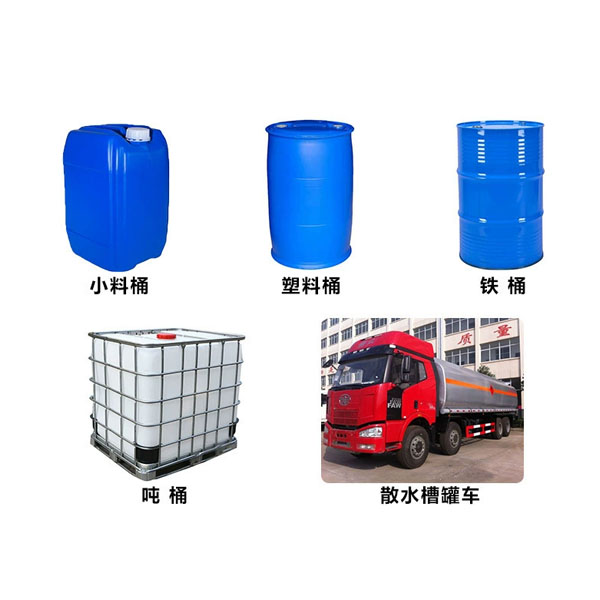
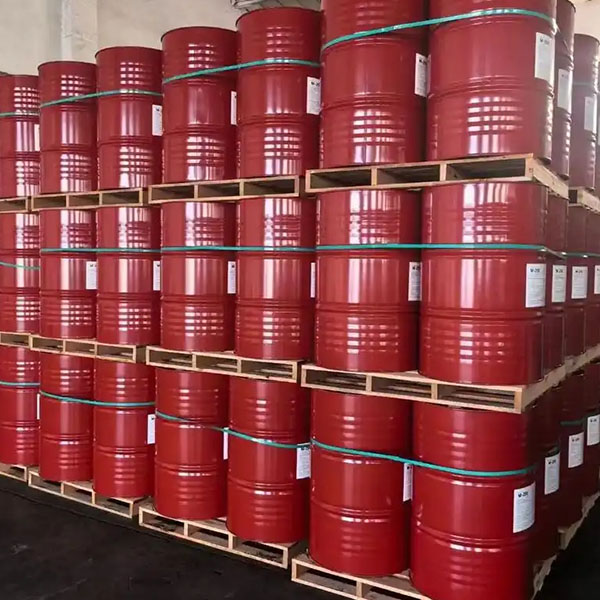
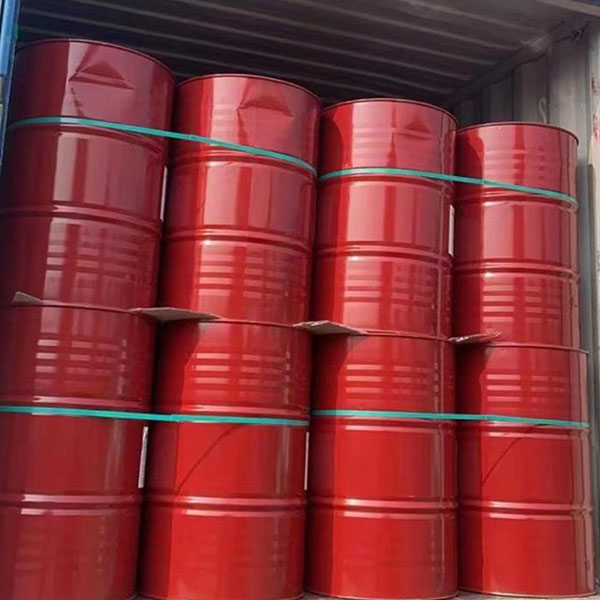
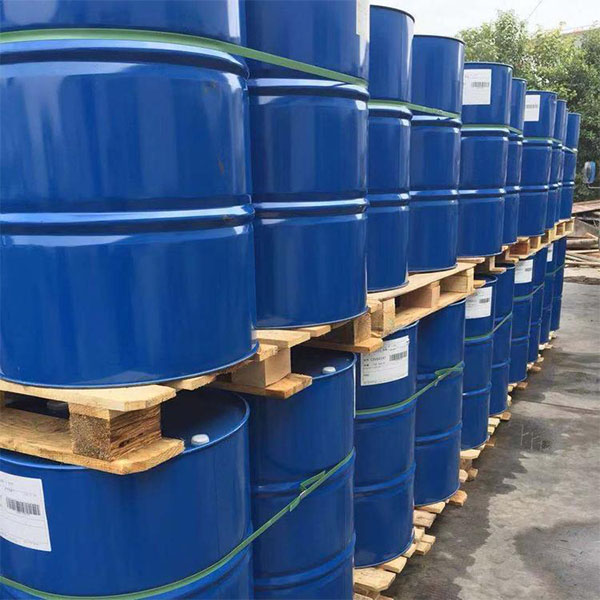
Packaging: Typically packaged in 250kg galvanized iron drums; large quantities are shipped in bulk via 1000kg IBC tote tanks, ISO tank containers, or tank trucks.
Storage: This is a Class 6.1 toxic substance, UN No. 1593. It must be stored in a cool, well-ventilated hazardous materials warehouse with a warehouse temperature not exceeding 30°C, avoiding direct sunlight exposure. Keep away from heat sources and open flames — although this product is not readily flammable under normal conditions, there remains a risk of decomposition and reaction at high temperatures or upon contact with reactive metal powders. It should be stored separately from oxidizers, strong bases, and reactive metal powders, and must never be stored together with them. Containers must be well sealed to prevent volatilization loss and moisture absorption that could lead to acid formation through hydrolysis.
Transportation: Must be transported in accordance with Class 6.1 toxic substance regulations. During loading and unloading, handle gently to prevent packaging damage; the work site must have forced ventilation, and operators must wear self-priming filter-type gas masks and butyl rubber gloves to avoid vapor inhalation and prolonged skin contact.
Product Advantages
- Stable supply sources with long-term spot availability, suitable for large-volume foreign trade orders.
- Stable product purity with minimal batch-to-batch variation, suitable for downstream deep-processing production.
- Backed by a comprehensive chemical supply chain system, enabling one-stop procurement of multiple categories of chemical raw materials.