Product Overview
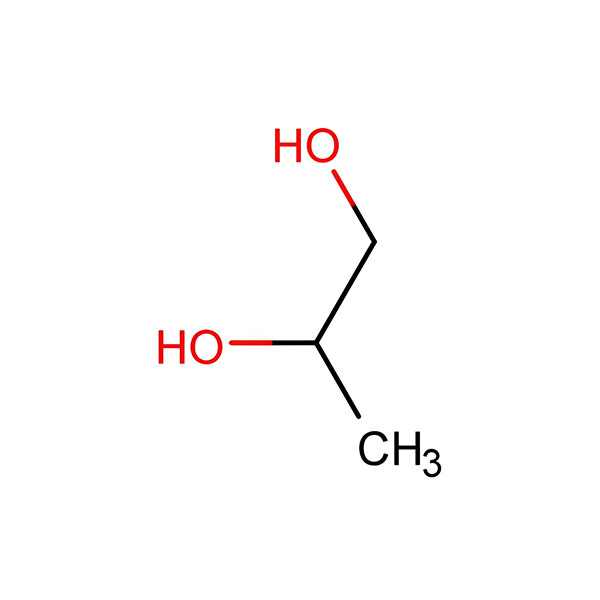
Dimethyl Carbonate (abbreviated as DMC), CAS No. 616-38-6, is a colorless, transparent liquid with a slight fragrance, and is regarded as one of the cornerstones of green chemistry. Industrially, mainstream production methods include the transesterification of propylene oxide with methanol (co-producing propylene glycol) or the oxidative carbonylation of methanol. The DMC molecule contains methyl, methoxy, and carbonyl groups simultaneously, giving it rich reactivity, allowing it to safely replace highly toxic reagents such as dimethyl sulfate and phosgene for methylation and carbonylation reactions, making it a low-toxicity, environmentally friendly product. In recent years, its largest growth market has been lithium battery electrolytes — used as a linear carbonate solvent compounded with EC, with battery-grade DMC subject to extremely strict requirements for moisture, metal ion content, and conductivity.
Basic Product Specifications
- CAS No.: 616-38-6
- UN No.: 1161
- HS Code: 2920900000
- Hazard Class: Class 3
- Density: 1.07 g/cm³ (20°C)
- Purity: ≥99.9%
For the complete and detailed parameters of this product, please contact our staff to obtain the latest test report for the corresponding batch.
Product Uses
- Lithium Battery Electrolyte: Used as a linear carbonate solvent component, compounded with EC, EMC, and DEC for lithium-ion battery electrolytes (battery grade).
- Ethyl Methyl Carbonate Raw Material: Transesterified with ethanol to produce electrolyte solvents such as EMC and DEC.
- Green Methylating and Carbonylating Reagent: Replaces dimethyl sulfate and phosgene in pharmaceutical and pesticide synthesis, significantly improving safety.
- Coatings and Inks: Used as a high-flash-point, low-toxicity, environmentally friendly solvent to replace certain ester and ketone solvents in coatings, inks, and adhesives.
- Polycarbonate Raw Material: Used to produce PC resin via the non-phosgene transesterification route.
Packaging and Storage/Transportation
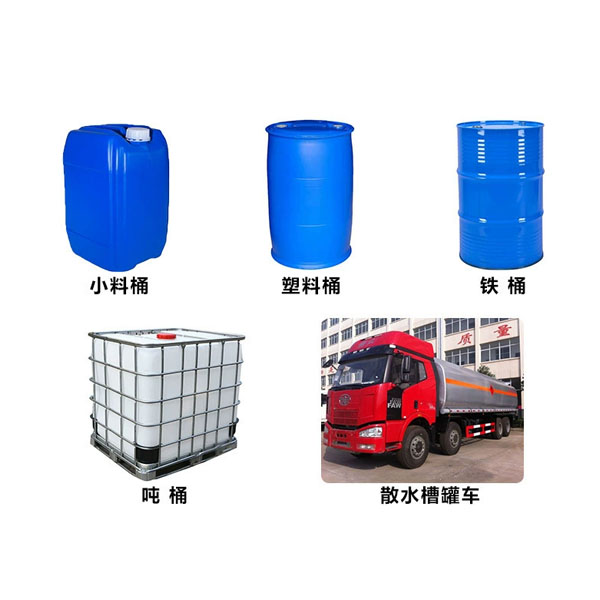
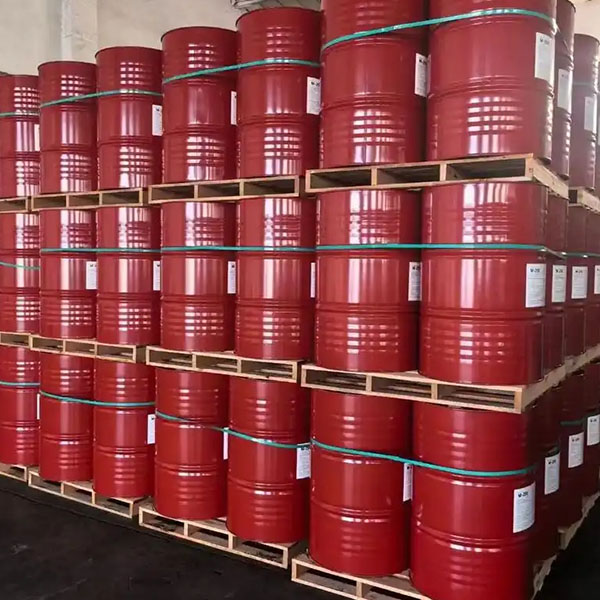
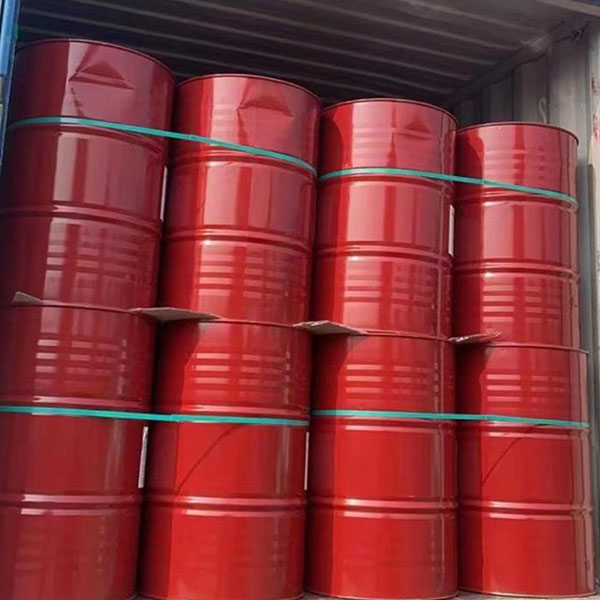
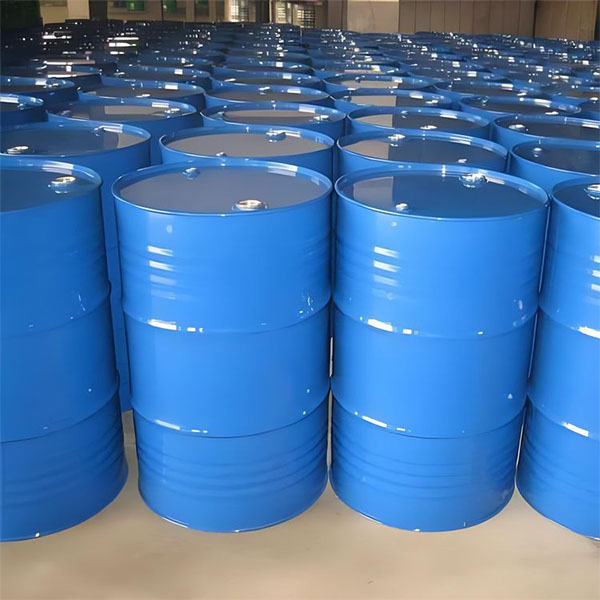
Packaging: Typically packaged in 200L galvanized iron drums, with a net weight of approximately 200 kg per drum. Battery-grade product can be supplied in lined drums, stainless steel drums, or IBC tote tanks, with large quantities shipped via ISO tank containers.
Storage: This is a Class 3 flammable liquid, UN No. 1161, with a flash point of approximately 17°C. It should be stored in a cool, well-ventilated flammable liquids warehouse, with a warehouse temperature not exceeding 30°C, away from ignition sources and heat, and protected from direct sunlight. It should be stored separately from oxidizers, strong acids, and strong bases. Battery-grade product requires particular attention to moisture protection — containers should be sealed under nitrogen blanketing to prevent moisture absorption from causing the moisture content to exceed specification.
Transportation: Must be transported in accordance with Class 3 flammable liquid regulations, with vehicles equipped with flame arrestors and fire-fighting equipment, and containers grounded to prevent static electricity. Loading and unloading should be handled gently to prevent damage, and open flames are strictly prohibited at the work site.
Product Advantages
- Stable supply sources with long-term spot availability, suitable for large-volume foreign trade orders.
- Stable product purity with minimal batch-to-batch variation, suitable for downstream deep-processing production.
- Backed by a comprehensive chemical supply chain system, enabling one-stop procurement of multiple categories of chemical raw materials.