Product Overview
Tetrahydrofuran (abbreviated as THF), CAS No. 109-99-9, is a colorless, transparent, low-boiling-point liquid with an ether-like odor, completely miscible with water. Industrially, it is mainly produced through the dehydration cyclization of 1,4-butanediol (BDO); our supply also comes from the recovery and refinement of by-products from PBT and PBAT production facilities, ensuring a stable supply volume. THF has moderate polarity and extremely strong dissolving power, capable of dissolving PVC, polyurethane, natural resins, and most other polymers, making it a recognized powerful organic solvent. At the same time, it is the sole monomer for polytetramethylene ether glycol (PTMEG), which is further used in spandex and high-performance elastomers, constituting THF’s largest downstream demand. It should be noted that this product tends to form peroxides during prolonged storage, so antioxidants must be added and the product sealed under nitrogen blanketing.
Basic Product Specifications
- CAS No.: 109-99-9
- UN No.: 2056
- HS Code: 2932110000
- Hazard Class: Class 3
- Density: 0.89 g/cm³ (20°C)
- Purity: ≥99.9%
For the complete and detailed parameters of this product, please contact our staff to obtain the latest test report for the corresponding batch.
Product Uses
- PTMEG Monomer: Undergoes ring-opening polymerization to produce polytetramethylene ether glycol, used in spandex, polyurethane elastomers, and thermoplastic elastomers.
- Resin Solvent: Dissolves PVC, polyurethane, polyvinyl acetal, and similar materials, used in PVC adhesives, coatings, and artificial leather surface treatment.
- Reaction Solvent: Serves as an excellent ether solvent for Grignard reactions, hydrogenation reactions, and organometallic reactions, widely used in pharmaceutical synthesis.
- Chromatography Solvent: Used as a GPC/HPLC mobile phase and analytical solvent (chromatography grade).
- Organic Synthesis: Used to produce downstream products such as γ-butyrolactone and tetrahydrothiophene.
Packaging and Storage/Transportation
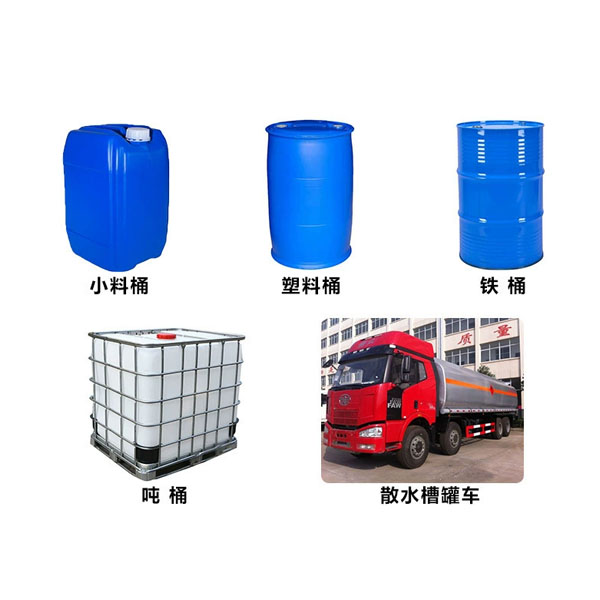
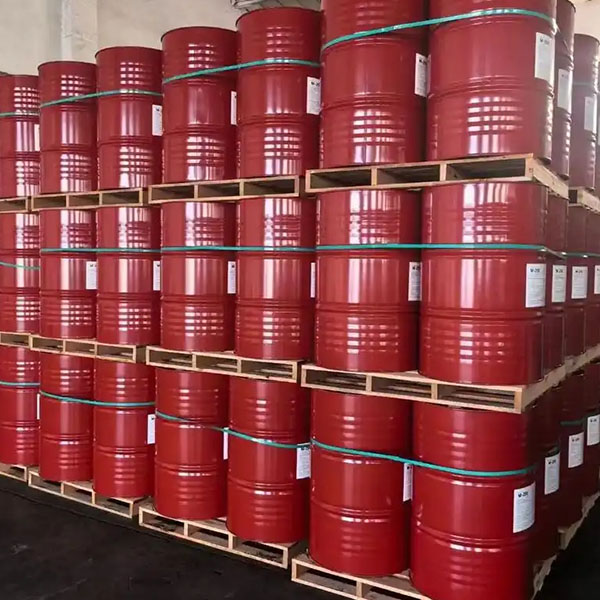
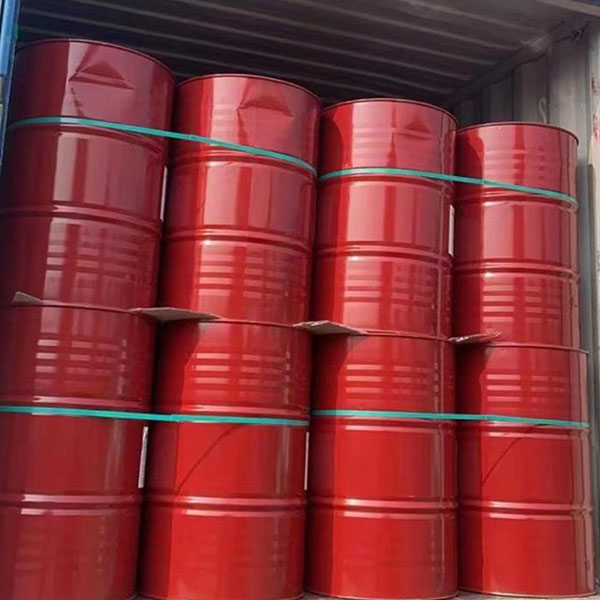
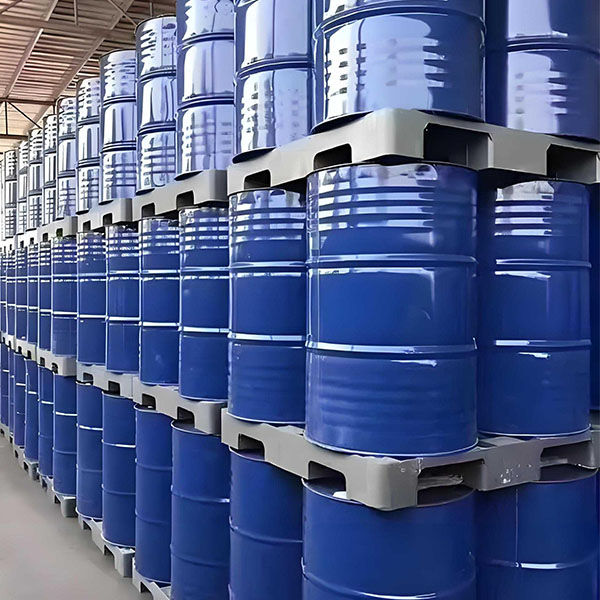
Packaging: Typically packaged in 200L galvanized iron drums, with a net weight of approximately 180 kg per drum. Large quantities are shipped via ISO tank containers and IBC tote tanks, with the drums sealed under nitrogen protection.
Storage: This is a Class 3 flammable liquid, UN No. 2056, with a flash point of approximately -14°C, making it highly flammable. It must be stored in a cool, well-ventilated Class A hazardous materials warehouse shielded from light, with a warehouse temperature not exceeding 30°C, with open flames and smoking strictly prohibited, and electrical equipment must be explosion-proof. Containers must be sealed under nitrogen blanketing and prolonged exposure to open air must be avoided — this product readily forms explosive peroxides upon contact with air, and products stored for extended periods must be tested for peroxide content before distillation or concentration. It should be stored separately from oxidizers and strong acids.
Transportation: Must be transported in accordance with Class 3 flammable liquid regulations, with vehicles equipped with flame arrestors, static-electricity-discharging ground straps, and fire-fighting equipment. Flow rate should be controlled during loading and unloading to prevent static discharge, and the product should be protected from sun exposure and high temperatures during transport.
Product Advantages
- Stable supply sources with long-term spot availability, suitable for large-volume foreign trade orders.
- Stable product purity with minimal batch-to-batch variation, suitable for downstream deep-processing production.
- Backed by a comprehensive chemical supply chain system, enabling one-stop procurement of multiple categories of chemical raw materials.