Product Overview
Glacial Acetic Acid, CAS No. 64-19-7, is a colorless, transparent liquid with a strong, pungent acidic odor. Pure acetic acid solidifies into ice-like crystals below 16.6°C, hence the name “glacial acetic acid.” Industrially, the mainstream production method is the low-pressure methanol carbonylation process (Monsanto/BP process), using methanol and carbon monoxide as raw materials, synthesized under a rhodium or iridium catalytic system. Our supply relies on an integrated coal-chemical methanol industry chain, offering excellent cost and supply stability. Glacial acetic acid is one of the most fundamental organic acid raw materials, with downstream applications covering PTA, vinyl acetate, acetate esters, chloroacetic acid, acetic anhydride, and other bulk chemical varieties, forming an extremely broad industry chain.
Basic Product Specifications
- CAS No.: 64-19-7
- UN No.: 2789
- HS Code: 2915211900
- Hazard Class: Class 8
- Density: 1.05 g/cm³ (20°C)
- Purity: ≥99.8%
For the complete and detailed parameters of this product, please contact our staff to obtain the latest test report for the corresponding batch.
Product Uses
- Acetate Esters: Esterified with methanol, ethanol, or butanol to produce solvents such as methyl acetate, ethyl acetate, and butyl acetate.
- PTA Raw Material: Used as the reaction solvent for the oxidation of para-xylene to purified terephthalic acid, serving as a key auxiliary material in the polyester industry chain.
- Chloroacetic Acid and Acetic Anhydride: Used to produce chloroacetic acid (which is further used to produce glycine and carboxymethyl cellulose) and acetic anhydride.
- Vinyl Acetate and Diketene: Used to produce VAE emulsions, polyvinyl alcohol, and diketene series products.
- Pharmaceuticals and Food: Used as a pharmaceutical intermediate and food-grade acidulant (food-grade product is subject to separate specialized standards).
Packaging and Storage/Transportation
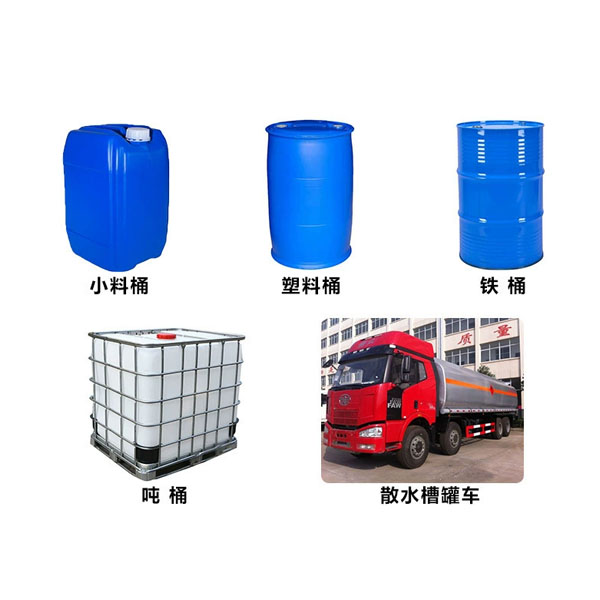
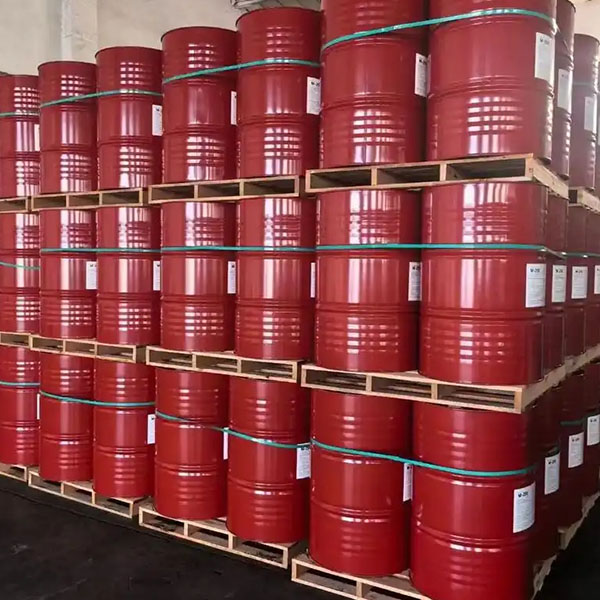
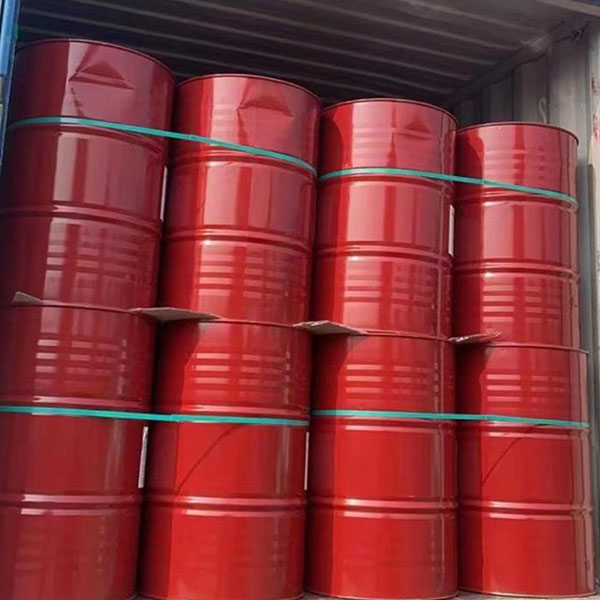
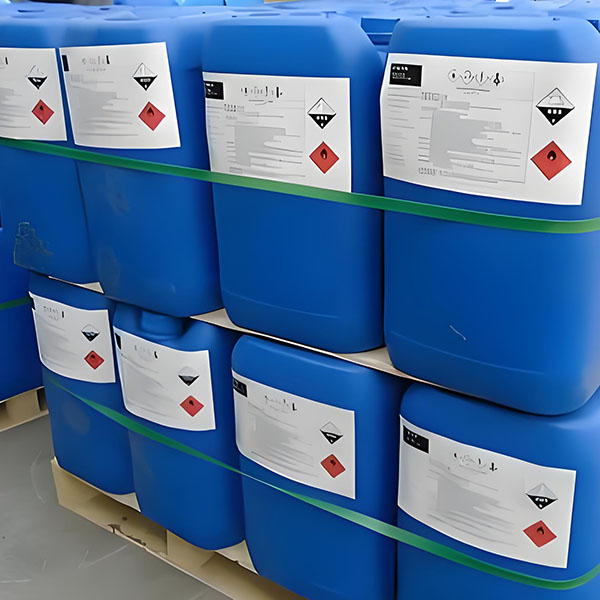
Packaging: Typically packaged in 200L plastic drums or lined iron drums (net weight approximately 210 kg per drum); 1000L IBC tote tanks are also available. Large quantities are shipped in bulk via stainless steel ISO tank containers or tank trucks.
Storage: This is a Class 8 corrosive substance, UN No. 2789, with a flash point of approximately 39°C, exhibiting both corrosivity and flammability. It must be stored in a cool, well-ventilated warehouse dedicated to corrosive substances, with a recommended warehouse temperature maintained above 17°C to prevent solidification and crystallization (storage tanks require heat tracing and insulation during winter). It should be stored separately from bases, oxidizers, and reactive metal powders. Container materials should be 304/316 stainless steel, plastic, or lined equipment; ordinary carbon steel and copper or aluminum containers must not be used.
Transportation: Must be transported in accordance with Class 8 corrosive substance regulations. In northern regions during winter, precautions must be taken against freezing and solidification during transport, with insulated vehicles used when necessary. During loading and unloading, operators must wear acid/alkali-resistant gloves, goggles, and protective clothing, and the site must be equipped with eyewash stations and emergency clean water.
Product Advantages
- Stable supply sources with long-term spot availability, suitable for large-volume foreign trade orders.
- Stable product purity with minimal batch-to-batch variation, suitable for downstream deep-processing production.
- Backed by a comprehensive chemical supply chain system, enabling one-stop procurement of multiple categories of chemical raw materials.