Product Overview
Methyl Acetate, CAS No. 79-20-9, is a colorless, transparent liquid with a pleasant, fruity aroma. Industrially, it is produced through the esterification of methanol and acetic acid via reactive distillation, with some supply sourced from the recovery and refinement of by-products from PVA and vinyl acetate production facilities. Methyl acetate has a low boiling point (approximately 57°C), evaporates quickly, and has strong dissolving power. It is not classified among the VOC-regulated aromatic hydrocarbons or halogenated hydrocarbons, making it widely used as a low-toxicity, environmentally friendly fast-drying solvent that can partially replace acetone and ethyl acetate. It has mature applications in coatings, inks, and adhesives, and also serves as an intermediate for synthesizing acetic anhydride and diketene.
Basic Product Specifications
- CAS No.: 79-20-9
- UN No.: 1231
- HS Code: 2915390000
- Hazard Class: Class 3
- Density: 0.932 g/cm³ (20°C)
- Purity: ≥99.5%
For the complete and detailed parameters of this product, please contact our staff to obtain the latest test report for the corresponding batch.
Product Uses
- Coatings and Inks: Used as a fast-drying true solvent for nitrocellulose lacquers, amino resin paints, and gravure inks, improving leveling and drying speed.
- Adhesives: Used in the formulation of neoprene and acrylate adhesives, partially replacing acetone to reduce toxicity.
- Pesticides: Used as a solvent carrier for emulsifiable concentrates and suspension formulations.
- Cleaning and Degreasing: Used for fast-drying cleaning of electronic and metal components, as well as in daily chemical applications such as nail polish remover.
- Organic Synthesis: Used to produce acetic anhydride, acetylating reagents, and fragrance intermediates.
Packaging and Storage/Transportation
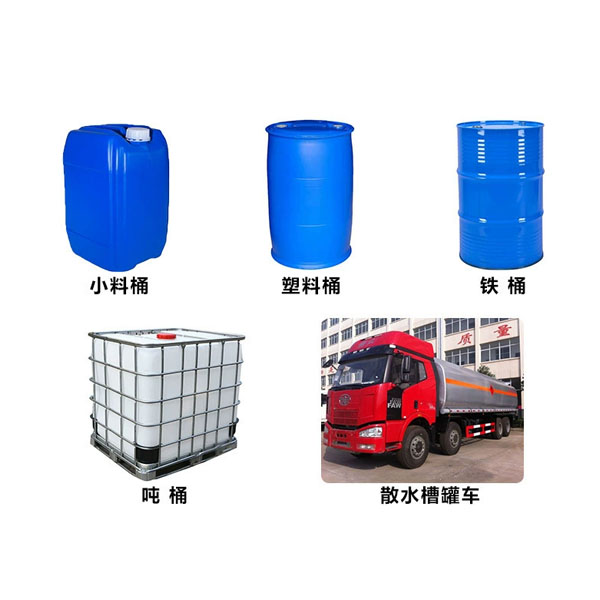
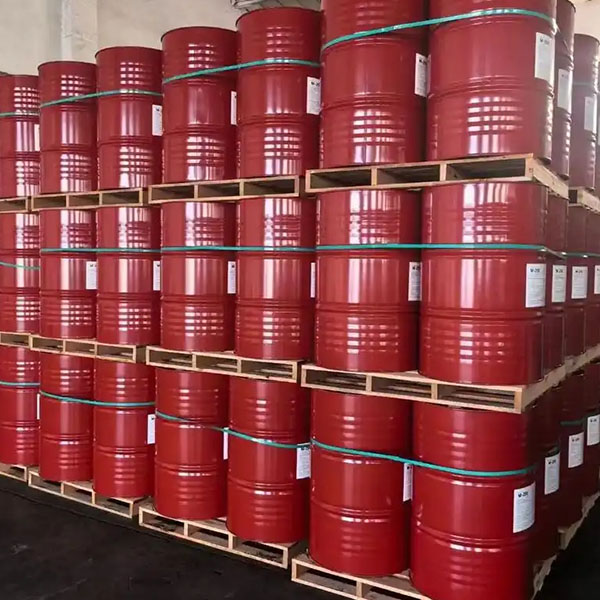
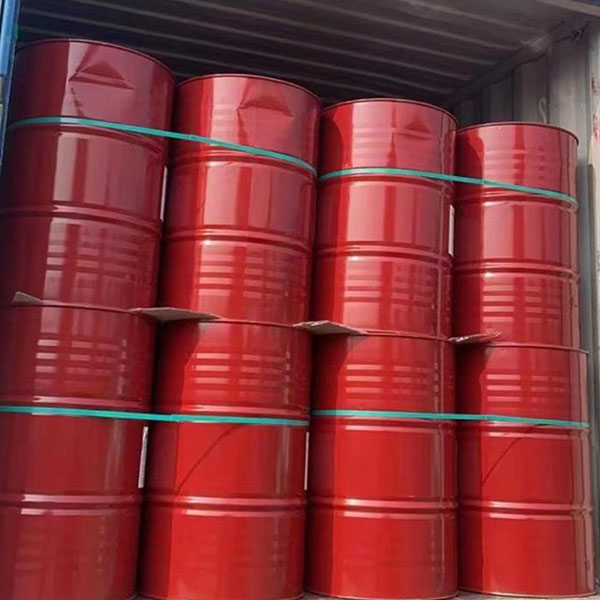
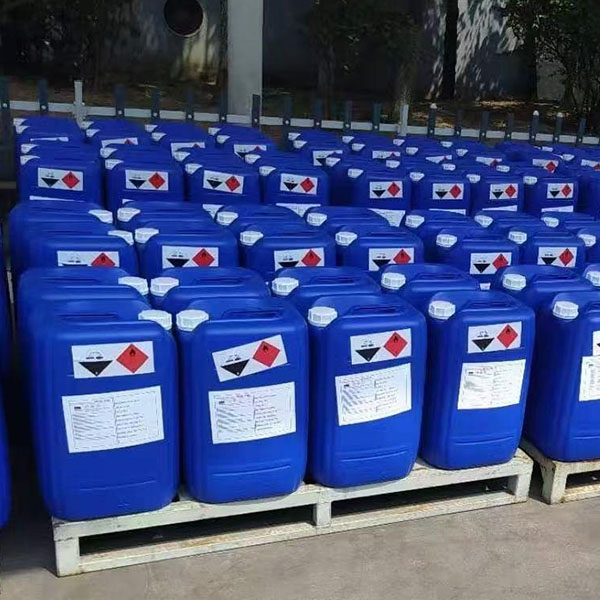
Packaging: Typically packaged in 200L galvanized iron drums, with a net weight of approximately 180 kg per drum. Large quantities are shipped via ISO tank containers and IBC tote tanks.
Storage: This is a Class 3 flammable liquid, UN No. 1231, with a flash point of approximately -10°C, making it highly flammable. It should be stored in a cool, well-ventilated Class A hazardous materials warehouse, with a warehouse temperature not exceeding 30°C, away from ignition sources and heat, with open flames and smoking strictly prohibited. Electrical and ventilation equipment must be explosion-proof, and containers and pipelines must be reliably grounded to prevent static electricity. It should be stored separately from oxidizers, strong bases, and strong acids (this product readily hydrolyzes upon contact with strong bases). Containers must be sealed to prevent moisture absorption, avoiding hydrolysis into acetic acid that would affect acidity specifications.
Transportation: Must be transported in accordance with Class 3 flammable liquid regulations, with vehicles equipped with flame arrestors and fire-fighting equipment. Flow rate should be controlled during loading and unloading to prevent static electricity and packaging damage; during summer, exposure to high temperatures should be avoided to prevent pressure buildup inside the drums.
Product Advantages
- Stable supply sources with long-term spot availability, suitable for large-volume foreign trade orders.
- Stable product purity with minimal batch-to-batch variation, suitable for downstream deep-processing production.
- Backed by a comprehensive chemical supply chain system, enabling one-stop procurement of multiple categories of chemical raw materials.