Product Overview
Ethanol, CAS No. 64-17-5, is a colorless, transparent liquid with a distinctive alcoholic aroma, miscible with water in any ratio. Industrially, it is mainly produced from raw materials such as corn, cassava, molasses, and wheat via biological fermentation to produce 95% ethanol, which is then dehydrated through molecular sieve dehydration to produce anhydrous ethanol (≥99.9%). We can supply both anhydrous ethanol and 95% food-grade/industrial-grade ethanol specifications: the anhydrous grade is suitable for water-sensitive organic synthesis, electronics cleaning, and pharmaceutical production, while the 95% grade is widely used in disinfection, extraction, blending, and fuel blending. Both non-food-grade and food-grade certified product sources are available, matched according to application.
Basic Product Specifications
- CAS No.: 64-17-5
- UN No.: 1170
- HS Code: 2207100000
- Hazard Class: Class 3
- Density: Anhydrous ethanol 0.79 g/cm³ (20°C); 95% ethanol 0.81 g/cm³ (20°C)
- Purity: Anhydrous ethanol ≥99.9%; 95% ethanol ≥95%
For the complete and detailed parameters of this product, please contact our staff to obtain the latest test report for the corresponding batch.
Product Uses
- Organic Chemical Raw Material: Used to produce downstream products such as sodium ethoxide, ethyl acetate, ether, acetaldehyde, ethylamine, and chloroethane.
- Organic Solvent and Extraction Agent: Used for crystallization washing of active pharmaceutical ingredients, plant extraction, fragrances/flavors, and recrystallization of various compounds.
- Pharmaceutical Disinfection: Used to formulate 75% disinfectant alcohol, medical cotton pads, and hand sanitizers (must use appropriately certified product sources).
- Food and Beverages: Used for blending liquor, formulating edible alcoholic beverages, and food flavoring (food grade).
- Fuel and Cleaning: Blended into gasoline to produce ethanol gasoline for vehicles, and used as an industrial cleaning agent and windshield washer fluid component.
Packaging and Storage/Transportation
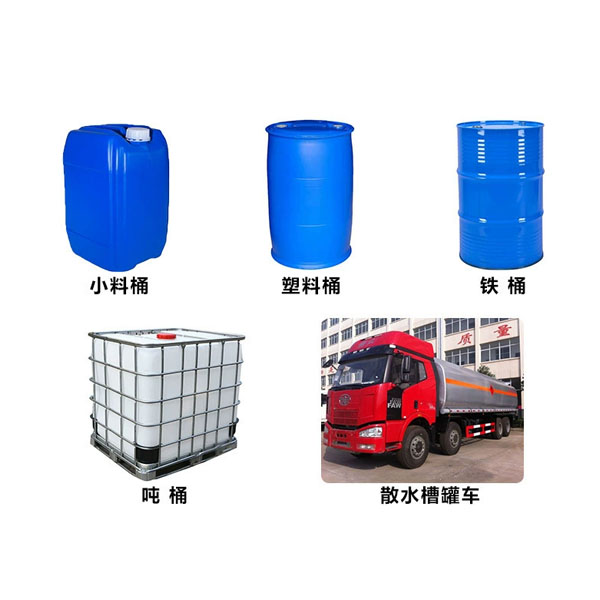
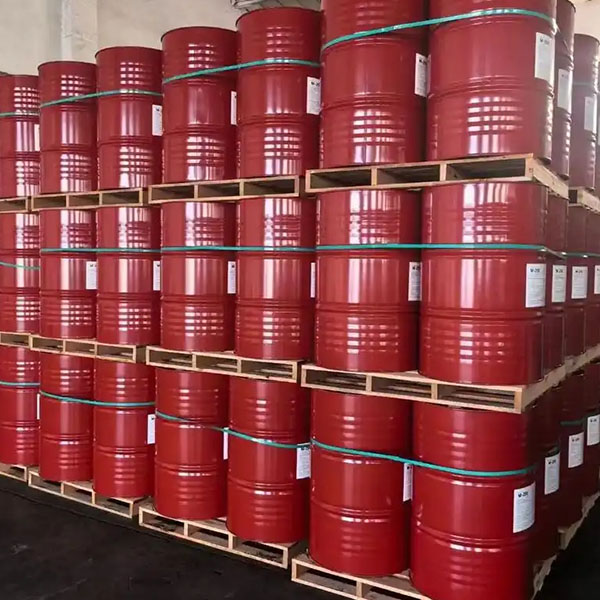
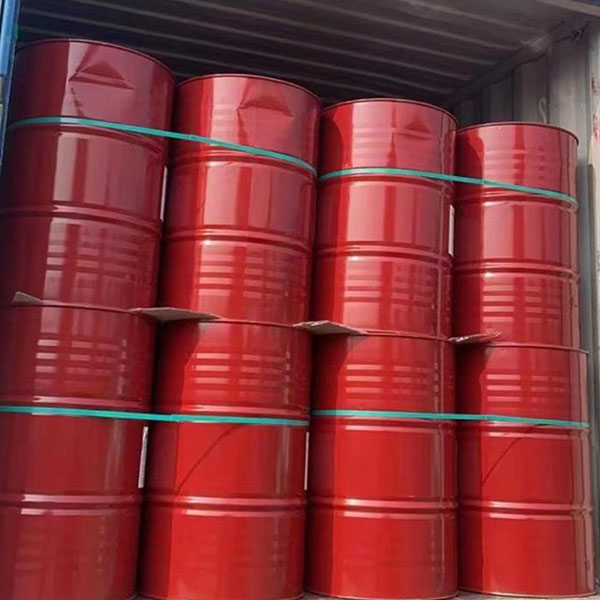
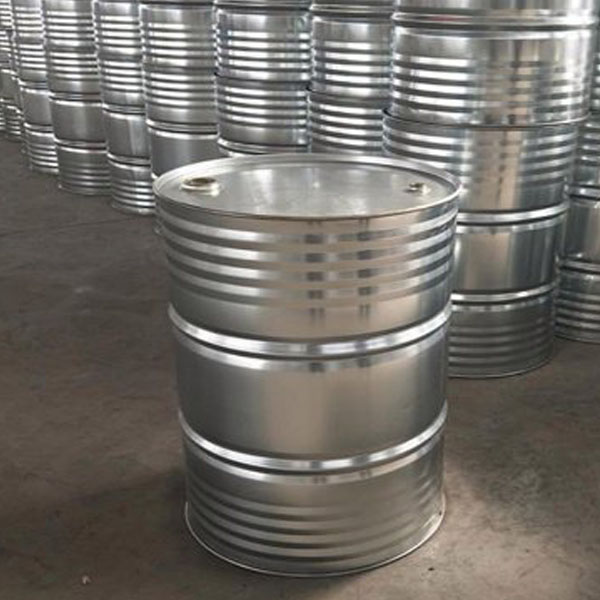
Packaging: Typically packaged in 200L galvanized iron drums, with a net weight of approximately 160 kg per drum. Large quantities are shipped via ISO tank containers, bulk tank trucks, and IBC tote tanks, with food-grade product packaged in dedicated clean containers with lead seals.
Storage: This is a Class 3 flammable liquid, UN No. 1170, with anhydrous ethanol having a flash point of approximately 13°C, making it highly flammable. It should be stored in a cool, well-ventilated Class A hazardous materials warehouse, with a warehouse temperature not exceeding 30°C, away from ignition sources and heat, with open flames and smoking strictly prohibited. Electrical and ventilation equipment must be explosion-proof, and containers and pipelines must be reliably grounded to prevent static electricity. It should be stored separately from oxidizers and acids. The anhydrous grade requires particular attention to sealing against moisture, to avoid moisture absorption that would reduce purity.
Transportation: Must be transported in accordance with Class 3 flammable liquid regulations, with vehicles equipped with flame arrestors, static-electricity-discharging ground straps, and fire-fighting equipment. Flow rate should be controlled during loading and unloading to prevent static electricity, and open flames are strictly prohibited in the work area. Food-grade alcohol must be transported in dedicated vehicles, with cleaning and previous cargo records retained.
Product Advantages
- Stable supply sources with long-term spot availability, suitable for large-volume foreign trade orders.
- Stable product purity with minimal batch-to-batch variation, suitable for downstream deep-processing production.
- Backed by a comprehensive chemical supply chain system, enabling one-stop procurement of multiple categories of chemical raw materials.