Product Overview
Triethylene Glycol (abbreviated as TEG), CAS No. 112-27-6, is a colorless, transparent, viscous liquid that is nearly odorless, miscible with water in any ratio. Like ethylene glycol and diethylene glycol, it is a co-product of the ethylene oxide hydration process, obtained through multi-stage distillation and fractionation for purification. TEG has a high boiling point of 288°C, extremely low vapor pressure, good thermal stability, and the strongest hygroscopic capability among the glycol homologs, making it the standard dehydration agent in the natural gas dehydration industry, with low losses even under long-term recirculation at high-temperature regeneration conditions. In addition, it possesses a certain degree of bactericidal capability and can be used for air disinfection and humidification. In the chemical industry, it is used as a high-boiling-point solvent, plasticizer raw material, and polyester modification monomer.
Basic Product Specifications
- CAS No.: 112-27-6
- UN No.: None
- HS Code: 2909499090
- Hazard Class: General cargo
- Density: 1.125 g/cm³ (20°C)
- Purity: ≥99.0%
For the complete and detailed parameters of this product, please contact our staff to obtain the latest test report for the corresponding batch.
Product Uses
- Natural Gas Dehydration: Used as the circulating absorbent in TEG dehydration units, removing moisture from natural gas to meet pipeline transportation and liquefaction requirements.
- High-Boiling-Point Solvent: Dissolves nitrocellulose, resins, dyes, and inks, used in slow-drying systems and printing/dyeing auxiliaries.
- Plasticizer Raw Material: Used to produce environmentally friendly plasticizers such as triethylene glycol dibenzoate and triethylene glycol dioctanoate.
- Air Disinfection and Humidification: Used as an air bactericide and humectant for central air conditioning systems and cigarette moisture retention.
- Polyester and Polyurethane: Used as a flexible chain segment monomer to modify unsaturated polyester resins and polyurethane materials.
Packaging and Storage/Transportation
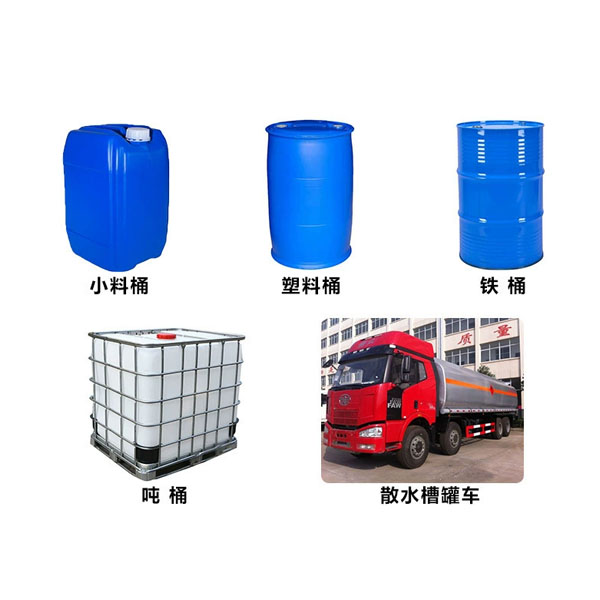
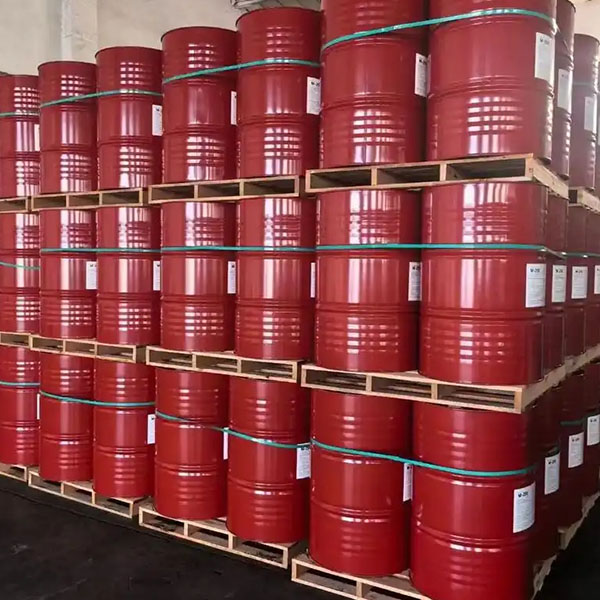
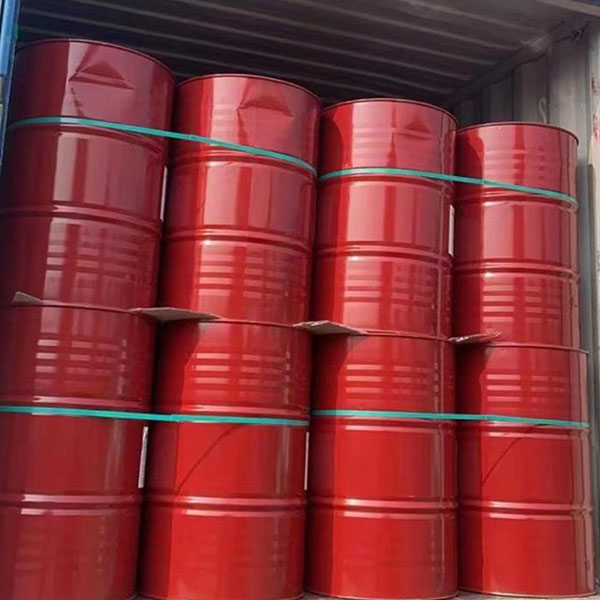
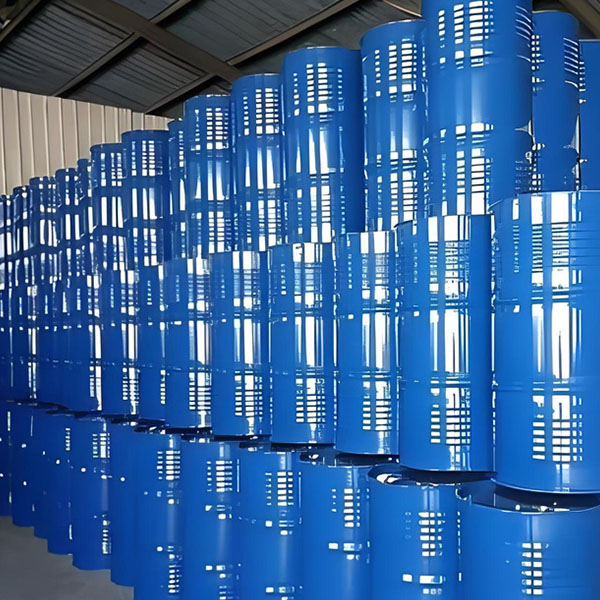
Packaging: Typically packaged in 250kg iron drums or plastic drums; large quantities are shipped in bulk via 1000L IBC tote tanks, ISO tank containers, and tank trucks.
Storage: This product is not classified as a hazardous chemical and is stored as general cargo. It should be stored in a cool, dry, well-ventilated warehouse, with containers sealed to prevent moisture absorption — this product is extremely hygroscopic, and moisture content will rise rapidly if stored with open containers, affecting dehydration efficiency. Keep away from heat sources, ignition sources, and strong oxidizers, and avoid prolonged direct sunlight exposure.
Transportation: Transported as general cargo. Viscosity increases significantly in low-temperature environments; moderate heat tracing can be applied before unloading in winter to facilitate transfer. During loading and unloading, precautions should be taken against rain exposure, contamination, and packaging damage, and transport containers must be clean and dry.
Product Advantages
- Stable supply sources with long-term spot availability, suitable for large-volume foreign trade orders.
- Stable product purity with minimal batch-to-batch variation, suitable for downstream deep-processing production.
- Backed by a comprehensive chemical supply chain system, enabling one-stop procurement of multiple categories of chemical raw materials.