Product Overview
Epichlorohydrin (abbreviated as ECH), CAS No. 106-89-8, is a colorless, transparent liquid with a pungent odor similar to chloroform. Industrially, there are two production routes: the traditional high-temperature chlorination of propylene (using propylene and chlorine gas as raw materials), and the emerging glycerol route (using glycerol by-product from biodiesel production and hydrochloric acid as raw materials, combined with lime neutralization). The glycerol route uses renewable raw materials and generates lower chlorine consumption and wastewater volume, making it the current mainstream direction for capacity expansion. We can supply product from both routes. The ECH molecule simultaneously contains an epoxy group and a chlorine atom, giving it extremely high reactivity, making it an irreplaceable key monomer in the epoxy resin industry chain, with approximately 70% of global production used to manufacture bisphenol A-type epoxy resin.
Basic Product Specifications
- CAS No.: 106-89-8
- UN No.: 2023
- HS Code: 2910300000
- Hazard Class: Class 6.1
- Density: 1.18 g/cm³ (20°C)
- Purity: ≥99.9%
For the complete and detailed parameters of this product, please contact our staff to obtain the latest test report for the corresponding batch.
Product Uses
- Epoxy Resin: Undergoes polycondensation with bisphenol A to produce bisphenol A-type epoxy resin, used in coatings, electronic encapsulation, composite materials, and wind turbine blades.
- Epoxy and Phenoxy Resins: Used to synthesize novolac-type epoxy resins, phenoxy resins, and reactive diluents.
- Water Treatment Agents: Used to produce polyamine flocculants and quaternary ammonium salt-type cationic polymers.
- Synthetic Glycerol and Pharmaceuticals: Hydrolyzed to produce synthetic glycerol, and also used to synthesize pharmaceutical intermediates and pesticide active ingredients.
- Paper and Textiles: Used to produce wet-strength agents, cationic starch, and fiber treatment agents.
Packaging and Storage/Transportation
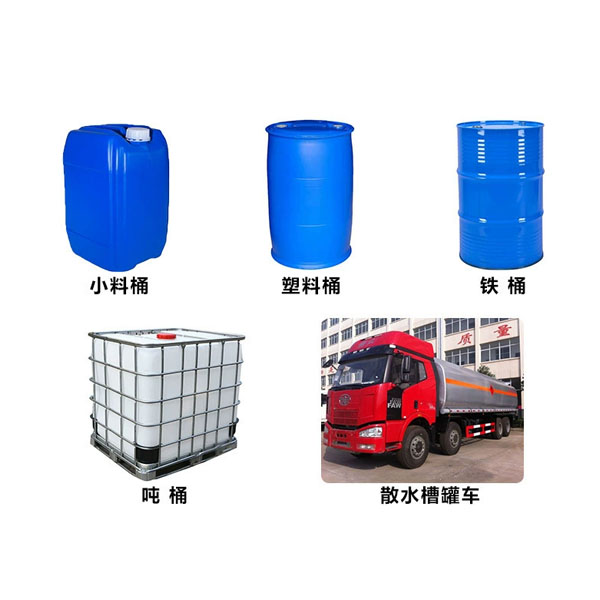
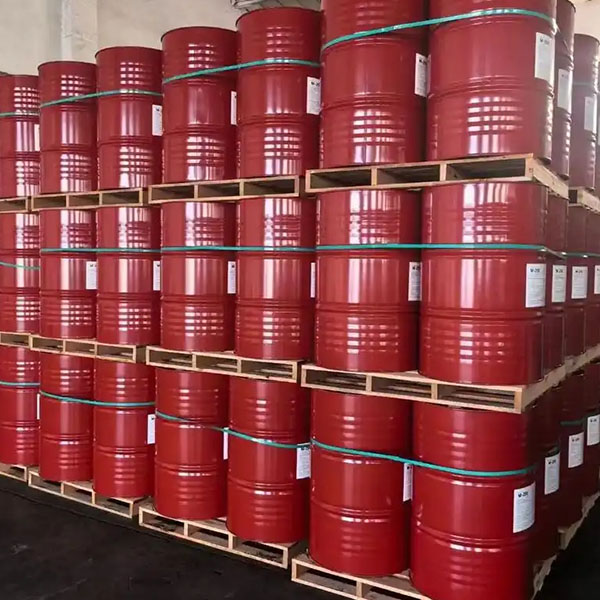
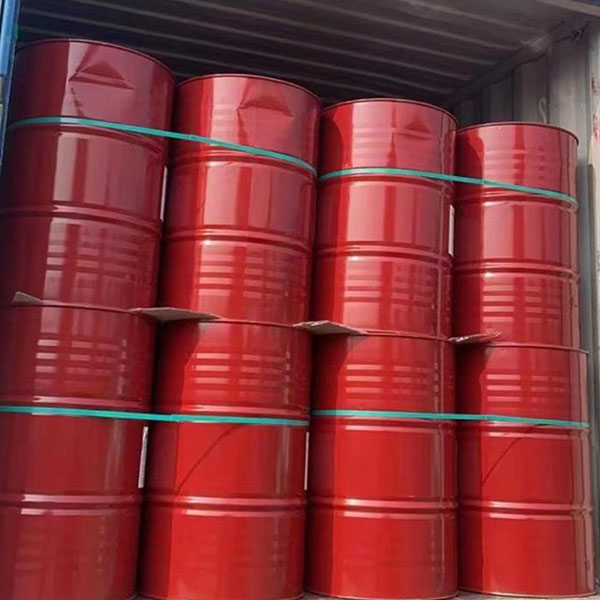
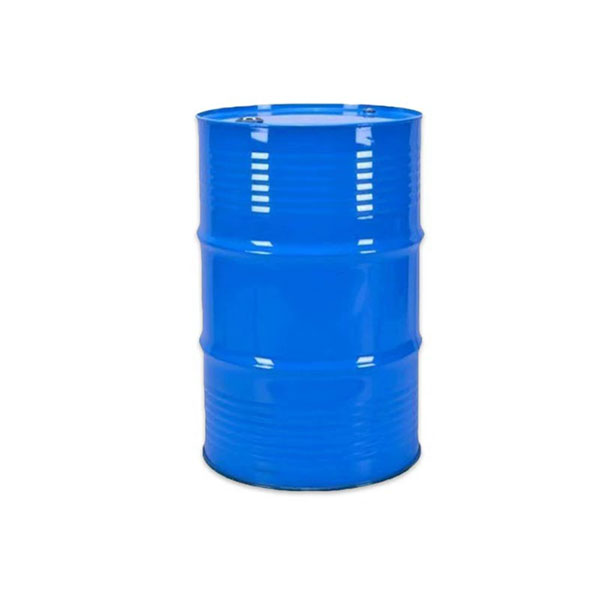
Packaging: Typically packaged in 250kg galvanized iron drums; large quantities are shipped via ISO tank containers, bulk tank trucks, and 1000L IBC tote tanks.
Storage: This is a Class 6.1 toxic substance (UN No. 2023), with a flash point of approximately 31°C, exhibiting both flammability and considerable toxicity. It must be stored in a cool, well-ventilated hazardous materials warehouse shielded from light, with a warehouse temperature not exceeding 30°C, away from ignition sources and heat. It must be strictly separated from oxidizers, strong acids, strong bases, water, and alcohols, and must never be stored together with them (this product hydrolyzes exothermically upon contact with water or bases, and may polymerize violently upon contact with strong acids). Containers must be well sealed and kept dry.
Transportation: Must be transported in accordance with Class 6.1 toxic substance regulations, with fire prevention and anti-static measures also implemented. During loading and unloading, handle gently, and the work site must have forced ventilation. Operators must wear self-priming filter-type gas masks, chemical protective clothing, and solvent-resistant gloves, strictly preventing vapor inhalation and skin contact.
Product Advantages
- Stable supply sources with long-term spot availability, suitable for large-volume foreign trade orders.
- Stable product purity with minimal batch-to-batch variation, suitable for downstream deep-processing production.
- Backed by a comprehensive chemical supply chain system, enabling one-stop procurement of multiple categories of chemical raw materials.