Product Introduction
Vinyl acetate (acetic acid vinyl ester, abbreviated as VAM or VAC), CAS No. 108-05-4, is a colorless transparent liquid with a special ester odor and irritation. There are two industrial routes: ethylene gas-phase oxidation and calcium carbide acetylene method. Our supply mainly comes from the calcium carbide acetylene method, using calcium carbide acetylene and acetic acid as raw materials. Leveraging the advantages of the Northwest coal-electricity integration, our cost competitiveness is prominent. VAM is an important vinyl monomer with high polymerization activity. It is mainly used to produce polyvinyl alcohol (PVA), polyvinyl acetate emulsion (white glue), VAE emulsion, and EVA resin. The product must be stored at low temperature with inhibitors such as hydroquinone added to prevent self-polymerization.
Basic Product Specifications
CAS No.: 108-05-4
UN No.: 1301
HS Code: 2915320000
Hazard Class: Class 3
Density: 0.931 g/cm³ (20°C)
Purity: ≥99.6%
For complete and detailed parameter specifications, please contact our staff to obtain the latest test report for the corresponding batch.
Product Applications
1. Polyvinyl alcohol: After polymerization and alcoholysis, PVA is produced. It is used in vinylon fiber, paper and textile sizing, construction adhesives, and optical films (PVA film);
2. Coatings and emulsions: Used to produce polyvinyl acetate emulsion (white glue) and VAE emulsion, which are used in architectural coatings, interior wall putty, and woodworking adhesives;
3. Glue and adhesives: Serves as the main monomer for white glue, wallpaper adhesive, and packaging adhesive;
4. EVA resin: Copolymerized with ethylene to produce EVA, used for photovoltaic encapsulation film, foamed shoe materials, and hot-melt adhesives;
5. Copolymerization modification: Copolymerized with acrylic esters and vinyl chloride to improve the flexibility and adhesion of coatings and resins.
Packaging and Storage
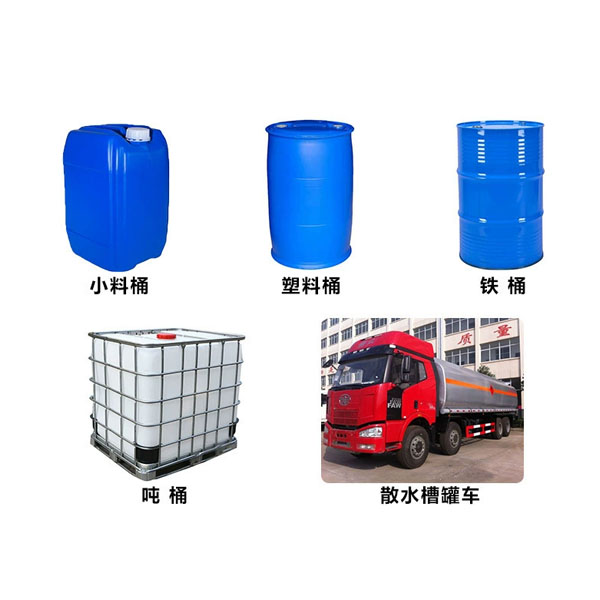
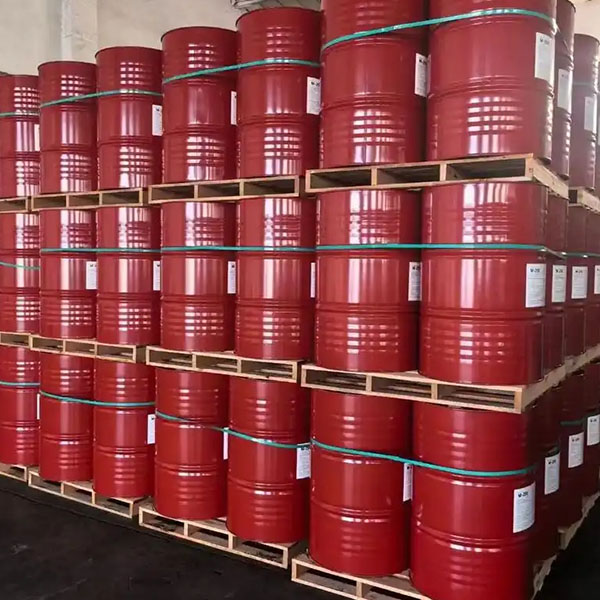
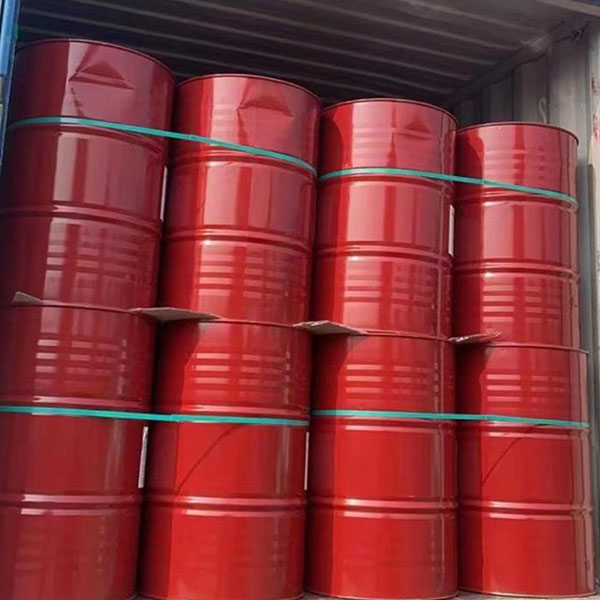
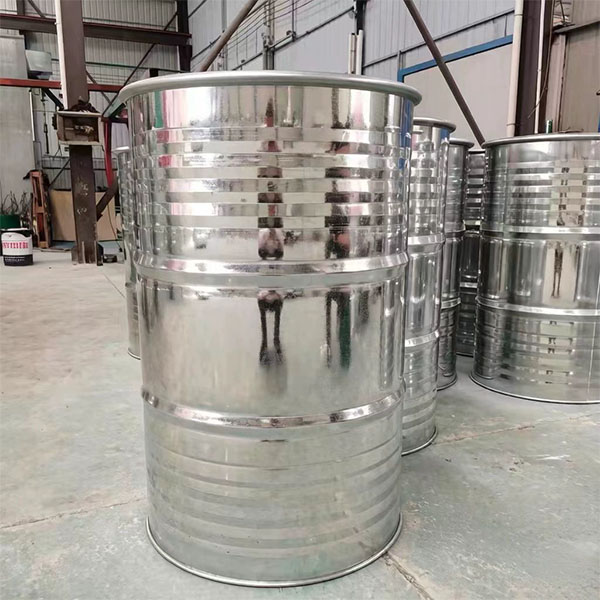
Packaging: Conventionally packed in 200L galvanized iron drums, net weight about 180kg/drum; for bulk quantities, shipped via ISO tank containers and tank trucks. Inhibitors are added and nitrogen protection is provided inside the drums.
Storage: It is a Class 3 flammable liquid with UN number 1301 and flash point about -8°C, classified as highly flammable. It must be stored in a cool, ventilated, and light-proof Class A hazardous goods warehouse. The warehouse temperature is recommended to be controlled below 30°C and kept as low as possible. The storage period should not be too long — temperature rise or inhibitor failure can cause self-polymerization and heat release, and in severe cases lead to container overpressure. It should be stored separately from oxidizers, peroxides, strong acids, and strong bases. Electrical and ventilation equipment must be explosion-proof, and containers must be grounded to prevent static electricity. For long-term storage, the inhibitor content must be checked regularly.
Transportation: Transport according to Class 3 flammable liquid regulations. Vehicles shall be equipped with flame arresters, static-conductive drag chains, and fire-fighting equipment. In summer, avoid high temperature and direct sunlight, preferably transport in the morning or evening and take shading and cooling measures.
Product Advantages
1. Stable supply with long-term spot availability, suitable for large-scale foreign trade orders;
2. Stable product purity with small batch differences, suitable for downstream deep-processing production;
3. Leveraging a complete chemical supply chain system, one-stop procurement of multiple categories of chemical raw materials is available