Product Introduction
Propionic Acid, CAS No. 79-09-4, is a colorless and transparent liquid with a pungent, sour odor. Industrially, it is produced from ethylene as the starting material via carbonylation to form propionaldehyde, which is then oxidized; a propionate salt route is also available. Propionic acid and its salts exhibit excellent antibacterial and mold-inhibiting properties, showing significant inhibitory effects particularly against mold and certain bacteria, while also being highly safe and readily metabolized by living organisms, making it an internationally recognized preservative for food and feed. Beyond preservation applications, propionic acid is also an important raw material for propionate ester solvents, herbicides, and pharmaceutical intermediates. The product is divided into industrial grade and food grade according to application, and we can match the corresponding qualified source based on requirements.
Basic Product Specifications
- CAS No.: 79-09-4
- UN No.: 3463
- HS Code: 2915501000
- Hazard Classification: Class 8
- Density: 0.996 g/cm³ (20°C)
- Purity: ≥99.5%
For complete and detailed parameter specifications of this product, please contact our staff to obtain the latest test report for the corresponding batch.
Product Applications
- Food Additive: Used as a preservative and mold inhibitor in bread, pastries, cheese, and packaged foods (food grade);
- Feed Preservation: Used to produce calcium propionate, sodium propionate, and ammonium propionate, for mold prevention in feed and grain storage;
- Herbicides: Used in the synthesis of active ingredients for phenoxypropionic/butyric acid pesticides such as 2,4-DP (dichlorprop) and 2,4-DB;
- Flavors and Esters: Used to produce fruity-scented flavor compounds and solvents such as ethyl propionate and amyl propionate;
- Pharmaceuticals and Fibers: Used in the synthesis of certain pharmaceutical intermediates, as well as cellulose esters such as cellulose acetate propionate (CAP).
Packaging, Storage & Transportation
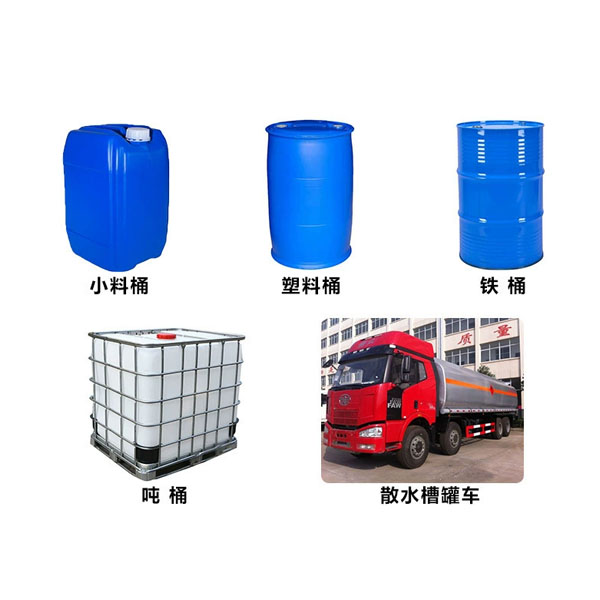
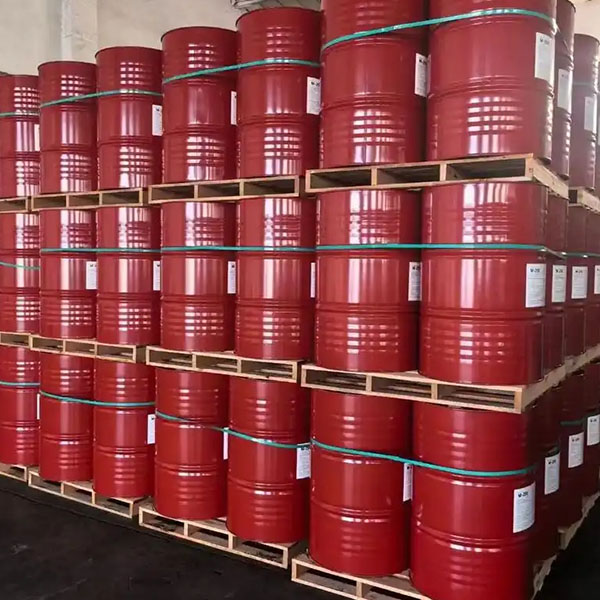
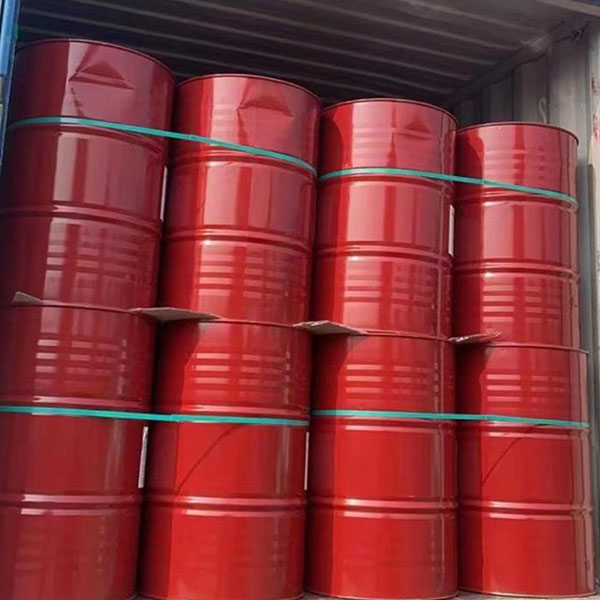
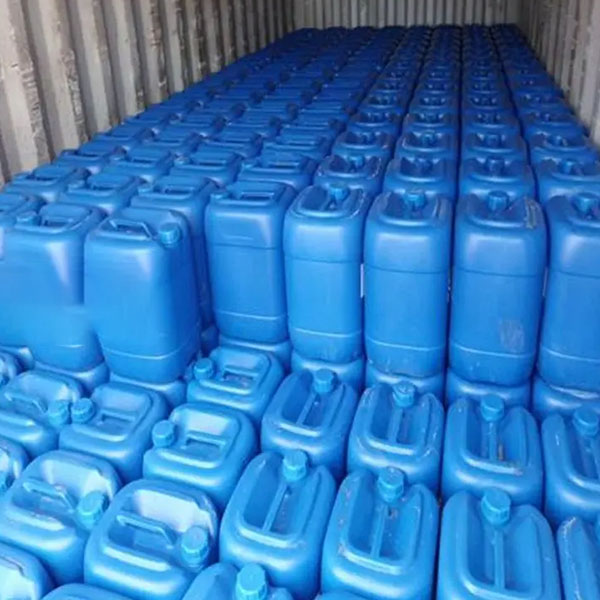
Packaging: Standard packaging in 200L internally lined iron drums or plastic drums, with a net weight of approximately 200kg/drum; for large volumes, shipped in bulk via stainless steel ISO tank containers, tank trucks, or IBC totes, with food-grade product using dedicated clean containers.
Storage: Classified as a Class 8 corrosive substance, UN No. 3463, with a flash point of approximately 54°C. Store in a cool, well-ventilated warehouse for corrosive substances, with warehouse temperature not exceeding 35°C, away from fire sources and heat. Must be stored separately from alkalis, oxidizing agents, and reactive metal powders. Containers must be made of 304/316 stainless steel, plastic, or lined equipment; ordinary carbon steel, copper, and aluminum are prohibited. Containers should remain sealed to minimize the escape of irritating odors.
Transportation: Transported in accordance with Class 8 corrosive substance regulations. During loading and unloading, personnel must wear acid/alkali-resistant gloves, goggles, and protective clothing, with eyewash stations and emergency clean water available on site. Food-grade product requires dedicated vehicles with cleaning and prior-cargo records maintained.
Product Advantages
- Stable supply sources with long-term spot inventory available, suitable for large-volume foreign trade orders;
- Stable product purity with minimal batch-to-batch variation, suitable for downstream deep-processing production;
- Backed by a comprehensive chemical supply chain system, enabling one-stop procurement combined with multiple categories of chemical raw materials.