Product Introduction
Styrene (abbreviated as SM), CAS No. 100-42-5, is a colorless and transparent oily liquid with a distinctive aromatic, pungent odor. Industrially, it is mainly produced via the catalytic dehydrogenation of ethylbenzene (pure benzene alkylated with ethylene to form ethylbenzene, which is then dehydrogenated); a co-production route with propylene oxide (PO/SM) is also available. Styrene is the vinyl aromatic monomer with the largest global consumption volume, with downstream applications covering EPS, PS, ABS, SBS, UPR, and styrene-acrylic emulsions, among numerous other material systems, penetrating nearly every industry from packaging, home appliances, and building materials to automotive and daily chemical products. The product must have tert-butylcatechol (TBC) added as a polymerization inhibitor and be stored at low temperature away from light, to prevent self-polymerization from forming polymer that would affect usability.
Basic Product Specifications
- CAS No.: 100-42-5
- UN No.: 2055
- HS Code: 2902500000
- Hazard Classification: Class 3
- Density: 0.902 g/cm³ (20°C)
- Purity: ≥99.8%
For complete and detailed parameter specifications of this product, please contact our staff to obtain the latest test report for the corresponding batch.
Product Applications
- EPS and PS: Polymerized to produce expandable polystyrene (insulation board, packaging cushioning materials) and general-purpose polystyrene (appliance housings, daily-use products);
- ABS Resin: Copolymerized with acrylonitrile and butadiene to produce ABS, used in automotive interiors, home appliances, and 3C product housings;
- Unsaturated Polyester Resin: Used as a UPR crosslinking monomer for fiberglass, artificial stone, buttons, and coatings;
- Synthetic Rubber: Used to produce thermoplastic elastomers such as SBS, SBR, and styrene-butadiene rubber, used in footwear materials, modified asphalt, and tires;
- Styrene-Acrylic Emulsions: Copolymerized with acrylate esters to produce emulsions for architectural coatings, paper coating, and adhesives.
Packaging, Storage & Transportation
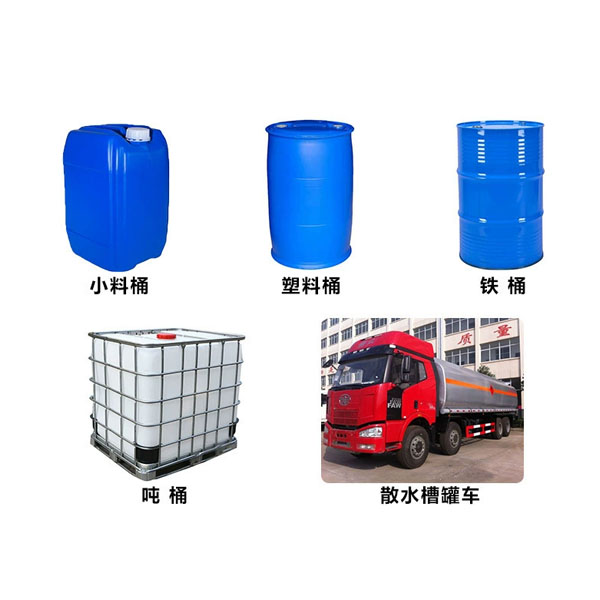
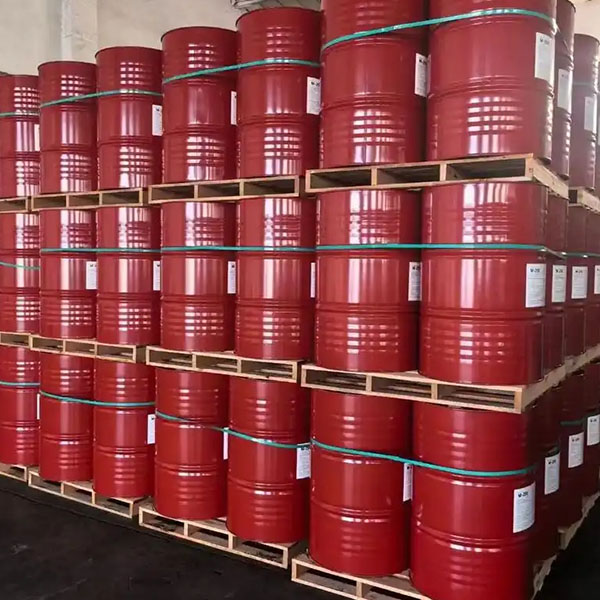
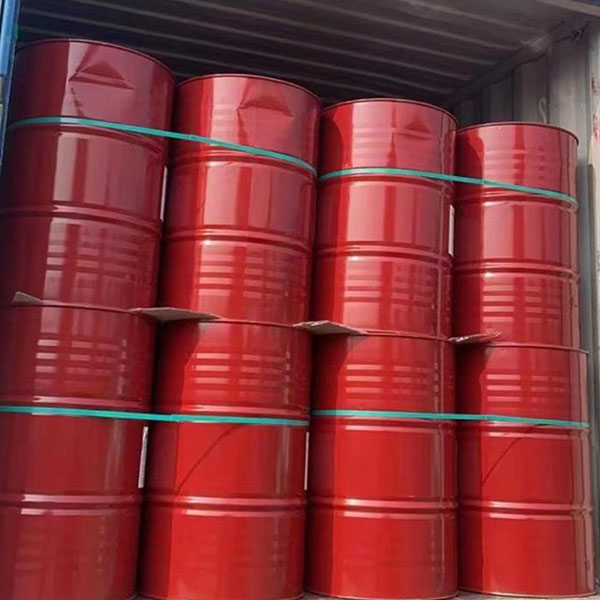
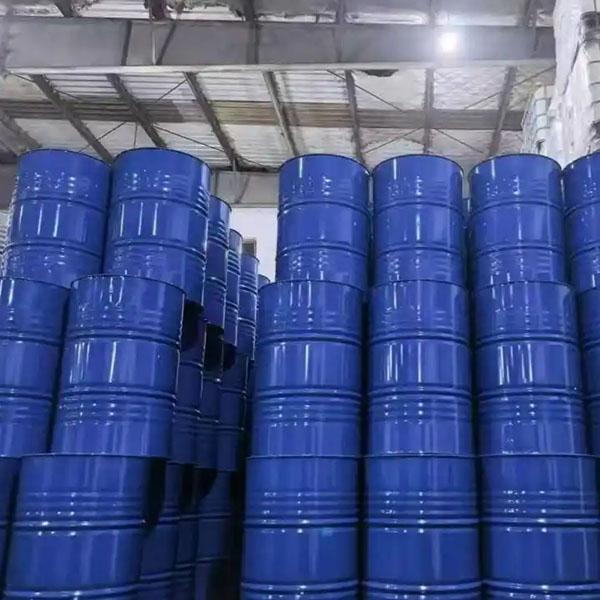
Packaging: Standard packaging in 200L galvanized iron drums, with a net weight of approximately 180kg/drum; for large volumes, shipped in bulk via ISO tank containers or tank trucks, all containing TBC polymerization inhibitor.
Storage: Classified as a Class 3 flammable liquid, UN No. 2055, with a flash point of approximately 31°C. Must be stored in a cool, well-ventilated, light-protected hazardous materials warehouse, with recommended warehouse temperature controlled below 25°C, and a storage period generally not exceeding 3 months — elevated temperatures accelerate exothermic self-polymerization, which may lead to container overpressure and gelation of the product. Storage tanks must be equipped with temperature monitoring and nitrogen blanketing, while retaining trace oxygen to maintain TBC inhibitor effectiveness. Must be stored separately from oxidizing agents, peroxides, strong acids, and aluminum products. Electrical and ventilation equipment must be explosion-proof, and containers must be grounded to prevent static electricity.
Transportation: Transported in accordance with Class 3 flammable liquid regulations; vehicles must be equipped with flame arresters, anti-static drag chains, and firefighting equipment. Shading and cooling measures must be taken during summer high temperatures, and inhibitor content and polymer content should be confirmed to be within specification before long-distance transport.
Product Advantages
- Stable supply sources with long-term spot inventory available, suitable for large-volume foreign trade orders;
- Stable product purity with minimal batch-to-batch variation, suitable for downstream deep-processing production;
- Backed by a comprehensive chemical supply chain system, enabling one-stop procurement combined with multiple categories of chemical raw materials.