Product Introduction
Tris(2-chloropropyl) Phosphate (abbreviated as TCPP, also known as Trichloroisopropyl Phosphate, flame retardant TCPP), CAS No. 13674-84-5, molecular formula C₉H₁₈Cl₃O₄P, molecular weight 327.57, appears as a colorless to light yellow transparent liquid with no visible mechanical impurities. TCPP is produced via the addition reaction of phosphorus oxychloride with propylene oxide, and is the most widely used additive-type halogen-phosphorus synergistic flame retardant, combining both phosphorus-based and chlorine-based flame retardant mechanisms. Its advantages include high flame retardant efficiency, low volatility, good hydrolysis resistance, excellent compatibility with substrate materials, and moderate cost, making it particularly well-suited for polyurethane foam systems, helping products meet fire safety standards such as DIN 4102, GB/T 8626, EN 13823, and ASTM E84.
Basic Product Specifications
- CAS No.: 13674-84-5
- UN No.: None / 3082
- HS Code: 2919900000
- Hazard Classification: General Cargo / Class 9
- Density: 1.288
1.297 g/cm³ (2025°C) - Purity: Phosphorus content ≥9.4%, Chlorine content ≥32.5%; Acid value ≤0.10 mgKOH/g, Moisture ≤0.10%, Color (APHA) ≤50, Viscosity (25°C) 67~72 mPa·s
For complete and detailed parameter specifications of this product, please contact our staff to obtain the latest test report for the corresponding batch.
Product Applications
- Polyurethane Foam: Used for flame retardancy in rigid and flexible PU foams, serving as the primary flame retardant for architectural insulation boards, spray foam, cold storage insulation, and furniture cushioning;
- Resin Flame Retardancy: Used for flame-retardant modification of unsaturated polyester resins, epoxy resins, phenolic resins, and polyvinyl chloride (PVC);
- Rubber and Coatings: Used in rubber products, fire-retardant coatings, and adhesives; can also be formulated into emulsions for carpet, raincoat, and fabric finishing;
- Automotive and Electronics: Used for flame-retardant treatment of automotive interior components and electronic/electrical appliance housings;
- Mining and Engineering Materials: Used in polyurethane products requiring flame-retardant safety compliance for coal mines, non-coal mines, tunnels, and water conservancy projects.
Packaging, Storage & Transportation
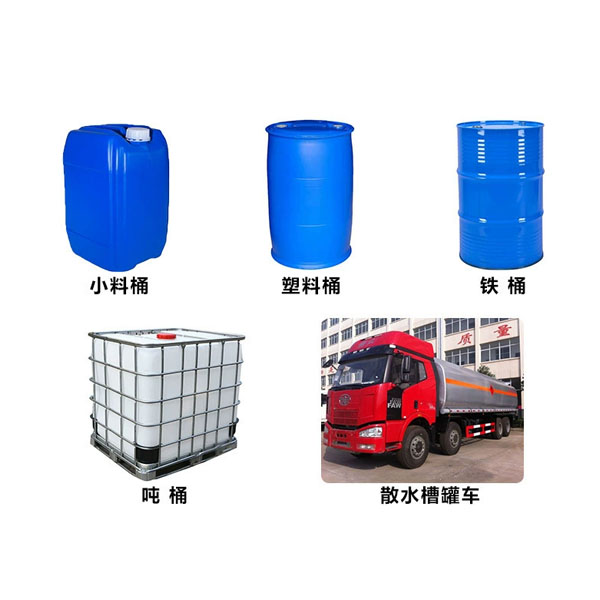
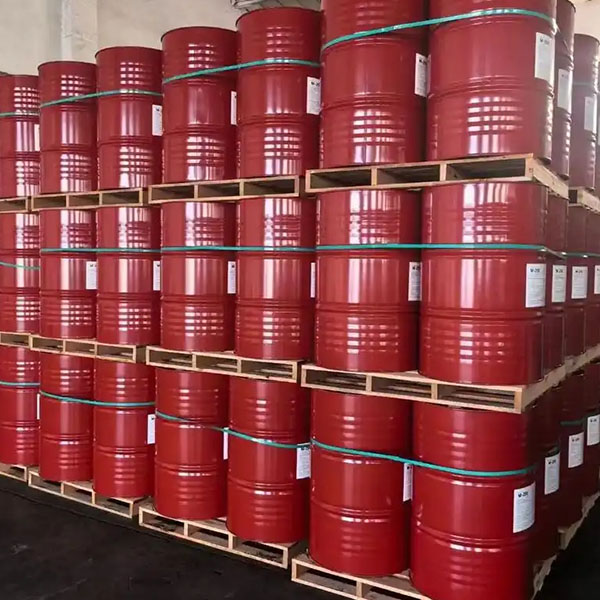
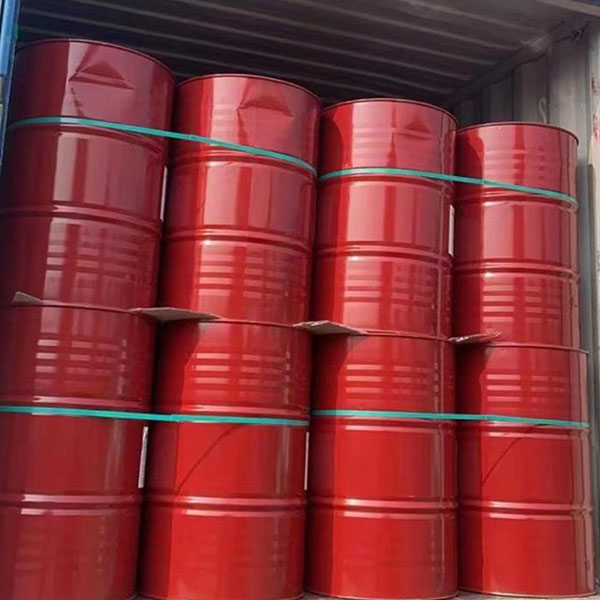
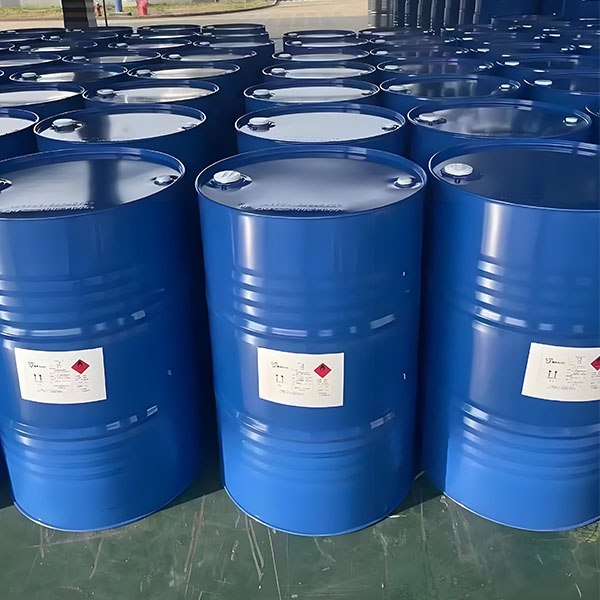
Packaging: Standard packaging in 250kg galvanized iron drums or food-grade plastic drums; 1000~1250kg IBC totes and tank truck transport also available upon request; a 20GP container can accommodate 80 drums.
Storage: Store in a dry, cool, well-ventilated, and enclosed warehouse, with recommended storage temperature of 5~38°C, maintaining dry air conditions. Containers must remain sealed to prevent moisture ingress and leakage. Keep away from heat sources, sparks, and open flames; avoid mixed storage or transport with strong oxidizing agents, strong acids, or strong alkalis. Follow proper stacking and securing procedures, with stacking height not exceeding 3 layers.
Transportation: The standard formulation is transported as a general chemical (non-hazardous cargo); under certain standards it is classified as Class 9 miscellaneous dangerous goods (UN 3082) — actual classification is subject to the accompanying MSDS and the requirements of the destination country. Handle gently during loading and unloading to prevent drum damage; personnel must wear protective gloves and goggles, and in case of eye contact, immediately flush with copious amounts of clean water for at least 15 minutes.
Product Advantages
- Stable supply sources with long-term spot inventory available, suitable for large-volume foreign trade orders;
- Stable product purity with minimal batch-to-batch variation, suitable for downstream deep-processing production;
- Backed by a comprehensive chemical supply chain system, enabling one-stop procurement combined with multiple categories of chemical raw materials.