Product Introduction
Tributyl Phosphate (abbreviated as TBP), CAS No. 126-73-8, is a colorless and transparent oily liquid, nearly odorless, slightly soluble in water but miscible with most organic solvents. Industrially, it is produced by the esterification of phosphorus oxychloride with n-butanol. TBP is a versatile multi-functional auxiliary with comprehensive performance: as an extractant, it exhibits excellent selective coordination capability toward uranium, thorium, rare earth, and precious metal ions, making it the standard extractant for the PUREX process in nuclear fuel reprocessing and for rare earth separation; as a defoamer, it offers high defoaming efficiency in cement, papermaking, coatings, and fermentation systems without affecting system performance; it also serves as a plasticizer, an anti-wear hydraulic oil component, and a heat transfer medium. Note: some product classification lists label the English name as “Triisobutyl Phosphate/TIBP,” but the listed CAS No. 126-73-8 actually corresponds to Tributyl Phosphate (TBP, n-butyl); if the isobutyl product (TIBP, CAS 126-71-6) is specifically required, please confirm separately.
Basic Product Specifications
- CAS No.: 126-73-8
- UN No.: None
- HS Code: 2919900000
- Hazard Classification: General Cargo
- Density: 0.973~0.983 g/cm³ (20°C)
- Purity: ≥99.0% (Acid value ≤0.1 mgKOH/g, Moisture ≤0.1%)
For complete and detailed parameter specifications of this product, please contact our staff to obtain the latest test report for the corresponding batch.
Product Applications
- Extractant: Serves as a key extractant for nuclear fuel reprocessing, rare earth separation, and precious metal extraction, offering high selectivity and good chemical stability;
- Defoamer: Used for highly efficient defoaming in cement mortar, paper coating, paints, inks, and antibiotic fermentation systems;
- Plasticizer: Used as a plasticizer for nitrocellulose, cellulose acetate, and vinyl chloride copolymers, offering both flame retardancy and low-temperature resistance;
- Hydraulic Oil and Lubrication: Used as an anti-wear hydraulic oil component, aircraft hydraulic oil component, and heat transfer medium;
- Others: Used in metalworking fluids, rare earth analytical reagents, and certain pesticide emulsifiable concentrate solvents.
Packaging, Storage & Transportation
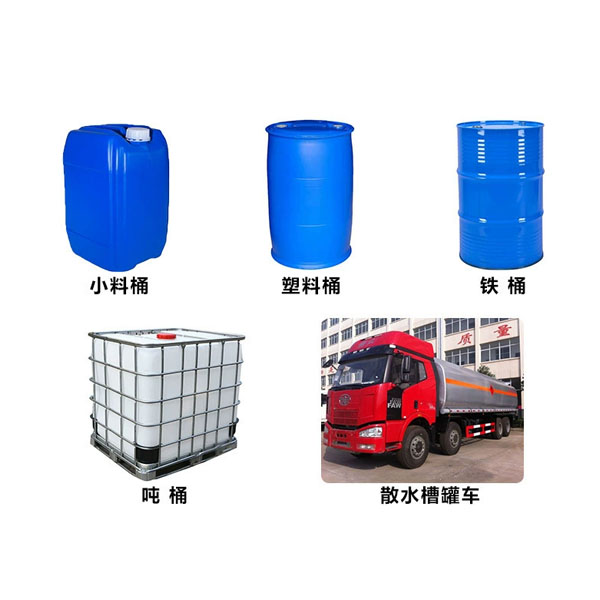
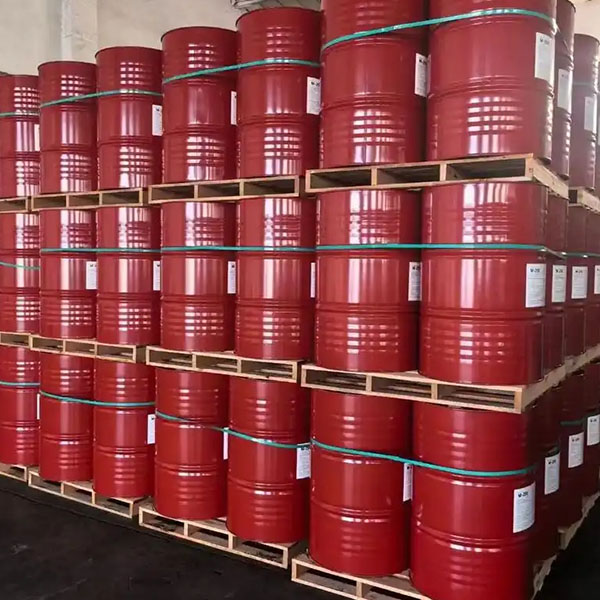
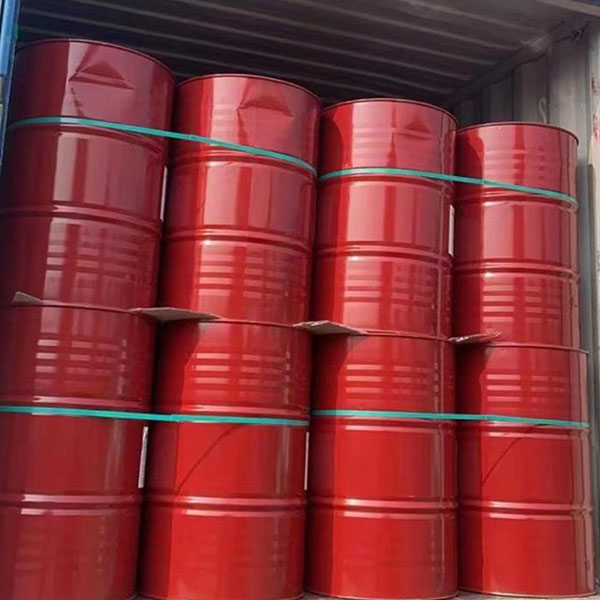
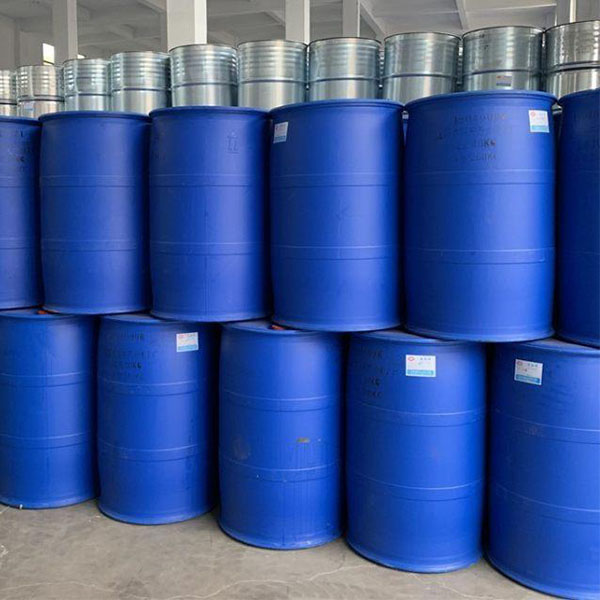
Packaging: Standard packaging in 200kg or 250kg iron drums; for large volumes, 1000L IBC totes and tank truck shipment are available.
Storage: Not classified as a hazardous chemical; stored as general cargo. Store in a cool, dry, well-ventilated warehouse, away from fire sources, heat sources, and strong oxidizing agents. Containers must be sealed to prevent moisture absorption, and prolonged direct sunlight exposure should be avoided, as it can cause an increase in color and acid value.
Transportation: Transported as general cargo. During loading and unloading, protect against rain exposure, contamination, and packaging damage. This product has a certain degree of irritancy to skin and eyes and can be absorbed through the skin; personnel must wear solvent-resistant gloves and goggles, and maintain ventilation in the work area.
Product Advantages
- Stable supply sources with long-term spot inventory available, suitable for large-volume foreign trade orders;
- Stable product purity with minimal batch-to-batch variation, suitable for downstream deep-processing production;
- Backed by a comprehensive chemical supply chain system, enabling one-stop procurement combined with multiple categories of chemical raw materials.