Product Introduction
Glycerin (Glycerol), CAS No. 56-81-5, is a colorless and transparent viscous liquid, sweet-tasting and odorless, with extremely strong hygroscopicity, miscible with water and ethanol in all proportions. There are two main industrial sources: natural glycerin as a byproduct of fat/oil hydrolysis or transesterification (biodiesel production), and synthetic glycerin via the epichlorohydrin route. The product is divided by purity grade into Industrial Grade (TECH, content approximately 95%~99%) and Pharmaceutical Grade (USP/EP, content ≥99.5%, with strict limits on diethylene glycol, ethylene glycol residues, and heavy metals); we can supply both grades. Glycerin has extremely broad applications, covering daily chemicals, pharmaceuticals, food, tobacco, polyurethane, and epichlorohydrin production, among other fields.
Basic Product Specifications
- CAS No.: 56-81-5
- UN No.: None
- HS Code: 2905450000
- Hazard Classification: General Cargo
- Density: 1.26 g/cm³ (20°C, based on 99.5% concentration)
- Purity: Industrial Grade (TECH) ≥95.0%; Pharmaceutical Grade (USP/EP) ≥99.5%
For complete and detailed parameter specifications of this product, please contact our staff to obtain the latest test report for the corresponding batch.
Product Applications
- Daily Chemicals and Cosmetics: Used as a humectant, emollient, and solvent in creams, lotions, face masks, toothpaste, and soap;
- Pharmaceutical Excipients: Used as a pharmaceutical solvent, excipient, and raw material for glycerin-based formulations (USP grade), such as glycerin suppositories, enemas, and oral solutions;
- Food and Tobacco: Used as a sweetener, humectant, and carrier in food processing, as well as a tobacco moistening agent;
- Polyurethane and Resins: Used as an initiator for producing polyether polyols, as well as for synthesizing alkyd resins and esters;
- Chemical Raw Material: Used as a raw material for epichlorohydrin (glycerol-based process), and also for producing nitroglycerin, polyglycerol esters, and antifreeze fluids.
Packaging, Storage & Transportation
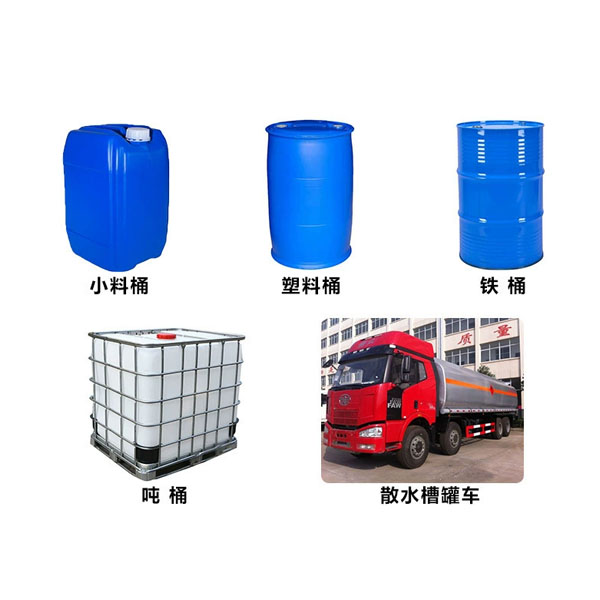
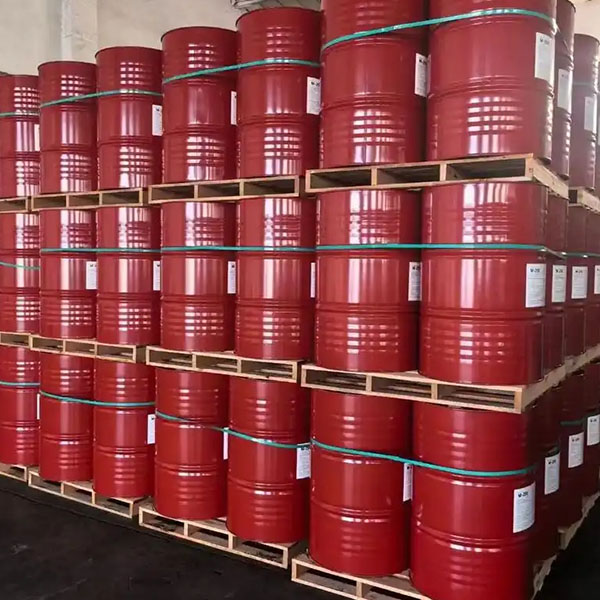
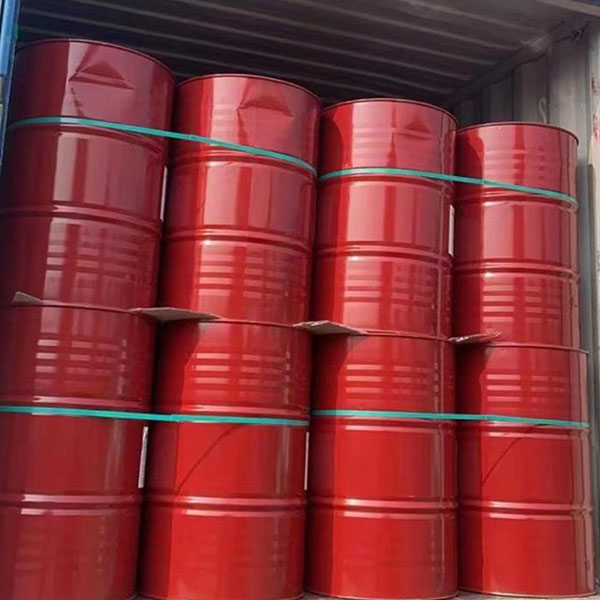
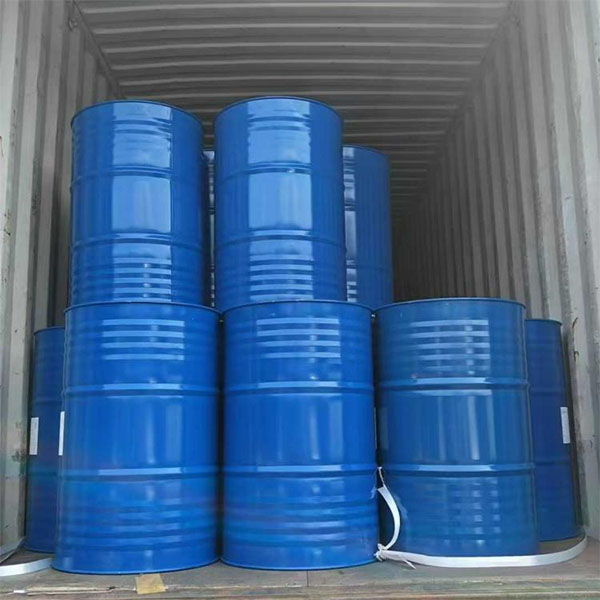
Packaging: Standard packaging in 250kg iron drums or plastic drums; for large volumes, shipped in bulk via 1000L IBC totes, ISO tank containers, or tank trucks; pharmaceutical-grade product uses dedicated clean drums with lead seals, accompanied by a COA.
Storage: Not classified as a hazardous chemical; stored as general cargo. Store in a cool, dry, well-ventilated warehouse, with containers sealed to prevent moisture absorption — this product is highly hygroscopic, and content can decrease noticeably if stored with an open container. Keep away from heat sources and strong oxidizing agents (contact between glycerin and strong oxidizing agents such as potassium permanganate or nitric acid may cause a violent reaction). Pharmaceutical-grade product must be stored in a dedicated warehouse, strictly separated from industrial-grade product to prevent cross-contamination.
Transportation: Transported as general cargo. In winter, low temperatures significantly increase viscosity; moderate heating may be applied before unloading. Protect against rain exposure and contamination during loading and unloading; for pharmaceutical- and food-grade product, tank cleaning certificates and prior-cargo records must be verified before transport.
Product Advantages
- Stable supply sources with long-term spot inventory available, suitable for large-volume foreign trade orders;
- Stable product purity with minimal batch-to-batch variation, suitable for downstream deep-processing production;
- Backed by a comprehensive chemical supply chain system, enabling one-stop procurement combined with multiple categories of chemical raw materials.