Product Introduction
Isobutanol (2-Methyl-1-propanol), CAS No. 78-83-1, is a colorless and transparent liquid with a distinctive odor. It is a co-product of the propylene hydroformylation (oxo synthesis) process for producing n-butanol: propylene, carbon monoxide, and hydrogen react under cobalt or rhodium catalysis to form n-butyraldehyde and isobutyraldehyde, and hydrogenation of isobutyraldehyde yields isobutanol. Compared with n-butanol, isobutanol has a branched-chain structure, evaporating slightly faster with somewhat weaker solvency, but offering a more competitive price, giving it wide application as a co-solvent, petroleum additive, and ester raw material. Currently, the primary downstream applications for isobutanol in the domestic market are diisobutyl phthalate (DIBP) plasticizer and isobutyl acetate solvent.
Basic Product Specifications
- CAS No.: 78-83-1
- UN No.: 1212
- HS Code: 2905141000
- Hazard Classification: Class 3
- Density: 0.801~0.803 g/cm³ (20°C)
- Purity: ≥99.3%
For complete and detailed parameter specifications of this product, please contact our staff to obtain the latest test report for the corresponding batch.
Product Applications
- Plasticizer Raw Material: Used to produce diisobutyl phthalate (DIBP), for use in PVC products and coatings;
- Ester Solvents: Used to produce solvents and monomers such as isobutyl acetate and isobutyl acrylate;
- Co-solvent: Used as a co-solvent for ethyl cellulose, rubber, and resins, improving compatibility in coating systems;
- Petroleum Additives and Antioxidants: Used to produce lubricating oil additives, antioxidants, and flotation agents;
- Synthetic Rubber and Organic Synthesis: Used in synthetic rubber additives, isobutylamine, and pharmaceutical/pesticide intermediates.
Packaging, Storage & Transportation
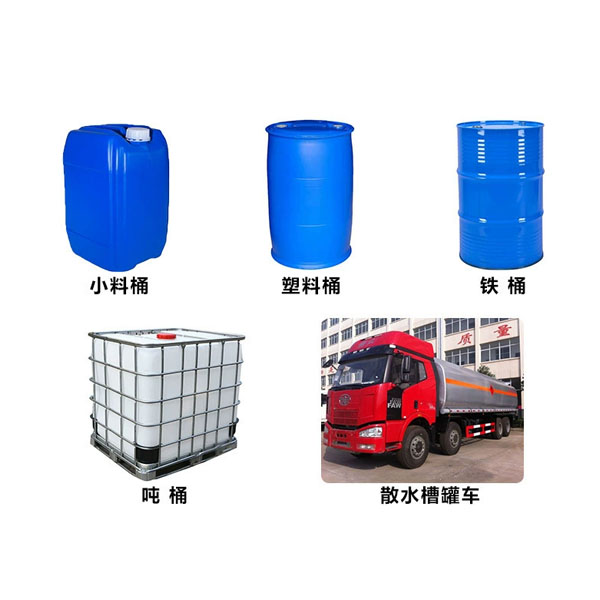
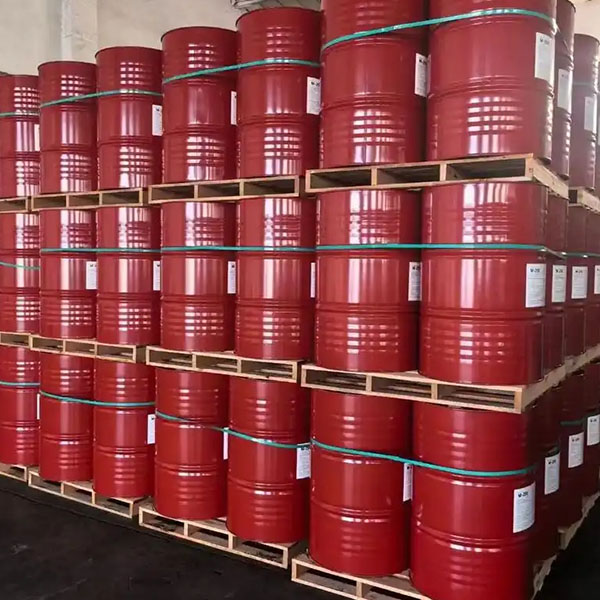
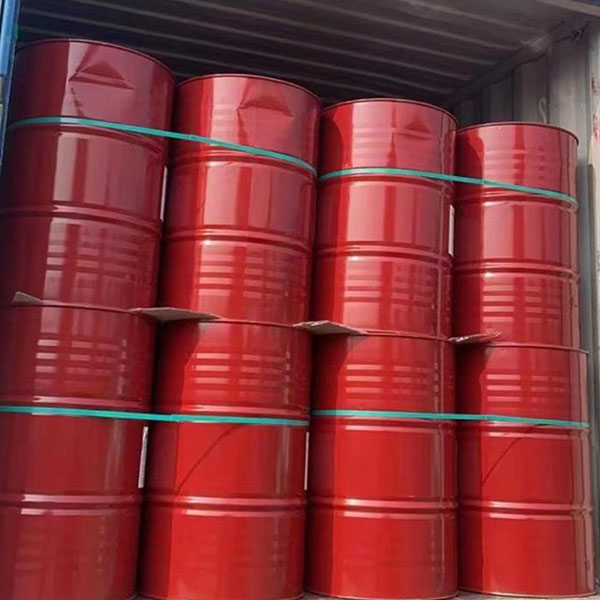
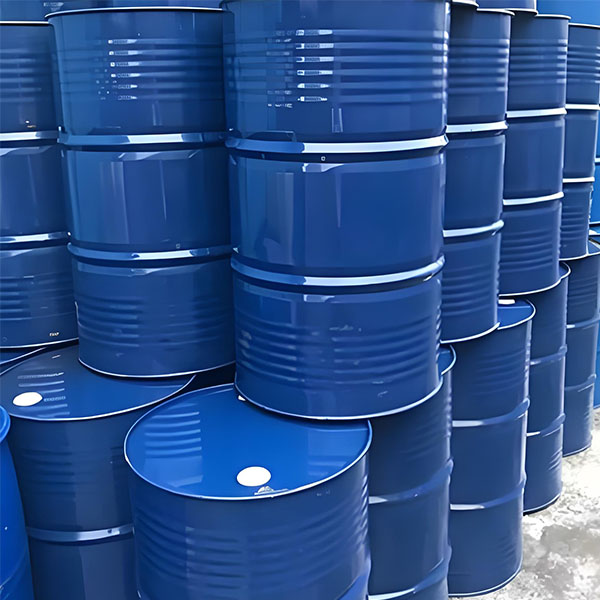
Packaging: Standard packaging in 200L galvanized iron drums, with a net weight of approximately 160kg/drum; for large volumes, shipped in bulk via ISO tank containers, tank trucks, or IBC totes.
Storage: Classified as a Class 3 flammable liquid, UN No. 1212, with a flash point of approximately 28°C. Store in a cool, well-ventilated warehouse for flammable liquids, with warehouse temperature not exceeding 30°C, away from fire sources and heat, and strictly no open flames or smoking. Electrical and ventilation equipment must be explosion-proof, and containers must be grounded to prevent static electricity. Must be stored separately from oxidizing agents and acids. Containers must be sealed to prevent moisture absorption, in order to control water content.
Transportation: Transported in accordance with Class 3 flammable liquid regulations; vehicles must be equipped with flame arresters and firefighting equipment. Control flow rate during loading and unloading to prevent static electricity buildup and packaging damage, and avoid exposure to high temperatures during transit.
Product Advantages
- Stable supply sources with long-term spot inventory available, suitable for large-volume foreign trade orders;
- Stable product purity with minimal batch-to-batch variation, suitable for downstream deep-processing production;
- Backed by a comprehensive chemical supply chain system, enabling one-stop procurement combined with multiple categories of chemical raw materials.