Product Introduction
Tetrachloroethylene (Perchloroethylene, abbreviated as PCE), CAS No. 127-18-4, is a colorless and transparent liquid with an ether-like odor, high density, non-flammable and non-explosive. Industrially, it is mainly produced via the carbon tetrachloride conversion process or through chlorination routes from methane, propylene oxide, or trichloroethylene. PCE offers better chemical stability than trichloroethylene, with a boiling point of approximately 121°C, non-flammability, extremely strong degreasing power, and non-corrosiveness toward most metals, making it the standard solvent for the global dry cleaning industry, while also being used in metal degreasing applications requiring higher stability. It is also a key raw material for third-generation fluorinated refrigerants such as HFC-125, an application that has seen significant growth in recent years.
Basic Product Specifications
- CAS No.: 127-18-4
- UN No.: 1897
- HS Code: 2903230000
- Hazard Classification: Class 6.1
- Density: 1.63 g/cm³ (20°C)
- Purity: ≥99.9%
For complete and detailed parameter specifications of this product, please contact our staff to obtain the latest test report for the corresponding batch.
Product Applications
- Dry Cleaning Solvent: Serves as the mainstream solvent for the dry cleaning industry, used for cleaning clothing and textiles, offering strong degreasing power without damaging fabrics;
- Metal Degreasing: Used as a vapor degreasing and immersion cleaning solvent for highly efficient oil and grease removal from metal parts and machined components;
- Fluorinated Refrigerant Raw Material: Serves as a key intermediate for fluorinated refrigerants such as HFC-125, HFC-134a, and fluoropolymers;
- Organic Solvent: Used for extraction of oils/fats, rubber, and resins, as well as cleaning of silicon steel sheets and transformer cores;
- Other Applications: Used as a raw material for anthelmintic (deworming) drugs, textile finishing agents, and certain pesticide solvents.
Packaging, Storage & Transportation
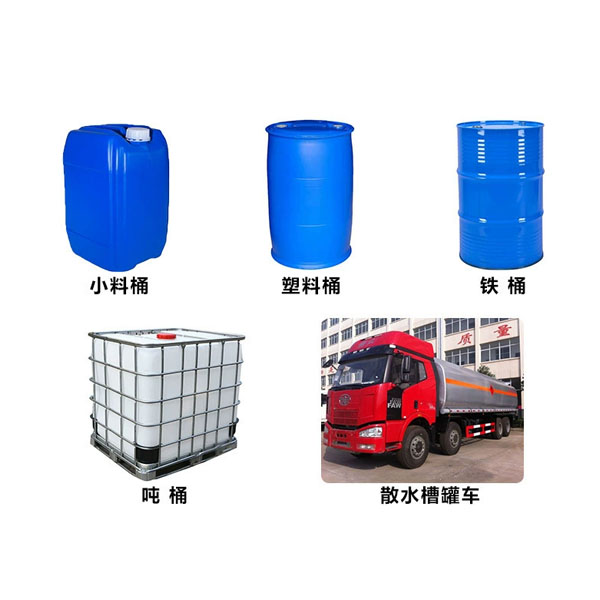
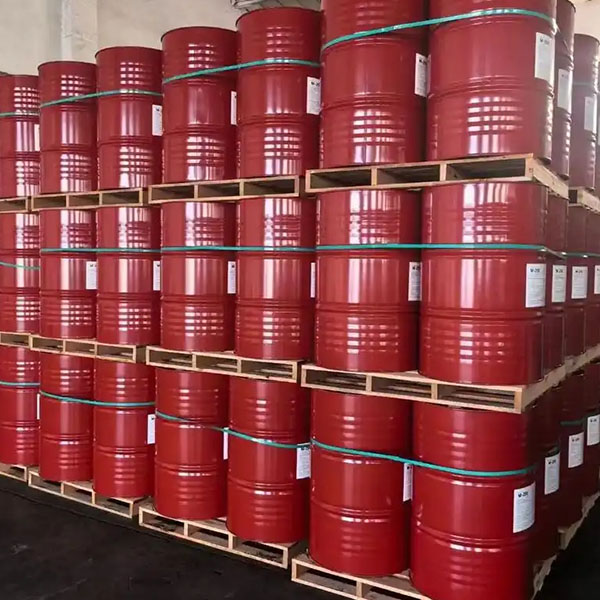
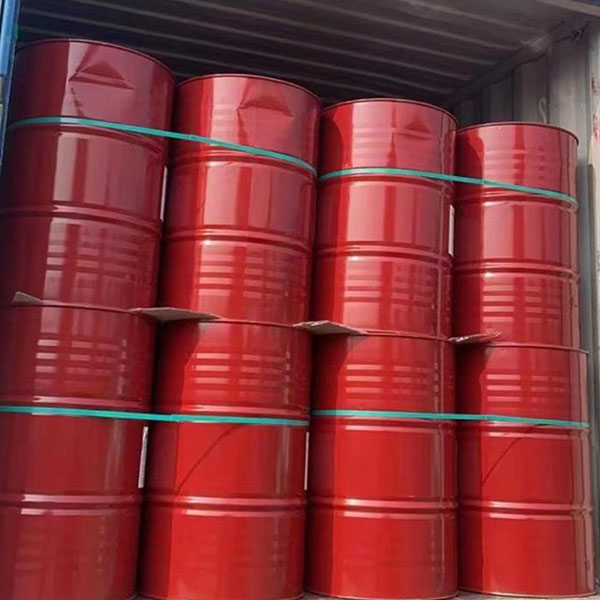
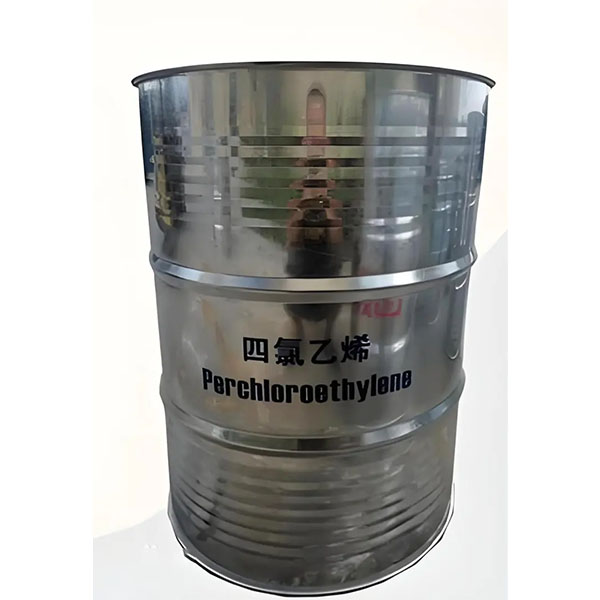
Packaging: Standard packaging in 330kg galvanized iron drums; for large volumes, shipped in bulk via 1000kg IBC totes, ISO tank containers, or tank trucks.
Storage: Classified as a Class 6.1 toxic substance, UN No. 1897. Must be stored in a cool, well-ventilated, light-protected warehouse dedicated to hazardous materials, with warehouse temperature not exceeding 30°C, avoiding direct sunlight exposure. Must be stored separately from oxidizing agents, strong alkalis, and reactive metal powders (aluminum, magnesium, zinc powder) — never store together. Containers must be sealed to prevent moisture absorption; for long-term storage, acidity and stabilizer content should be periodically tested.
Transportation: Transported in accordance with Class 6.1 toxic substance regulations. Handle gently during loading and unloading to prevent packaging damage and leakage. This product has a vapor density approximately 5.7 times that of air and readily accumulates in low-lying areas such as trenches and pits; forced ventilation and gas detection must be provided at the work site. Personnel must wear respirators and solvent-resistant gloves, and unprotected work in confined spaces is strictly prohibited.
Product Advantages
- Stable supply sources with long-term spot inventory available, suitable for large-volume foreign trade orders;
- Stable product purity with minimal batch-to-batch variation, suitable for downstream deep-processing production;
- Backed by a comprehensive chemical supply chain system, enabling one-stop procurement combined with multiple categories of chemical raw materials.