Product Introduction
Sodium Hydroxide (Caustic Soda), CAS No. 1310-73-2. Flake caustic is a white flake solid, while pearl/bead caustic is a white spherical granule — both share the same chemical composition, with pearl caustic being better suited for automated feeding systems due to its good flowability, low dust generation, and fast dissolution. Industrially, it is produced via the ion-exchange membrane electrolysis of sodium chloride solution to obtain liquid caustic soda, which is then concentrated by evaporation and formed into flakes or pearls. Caustic soda is the most fundamental strong inorganic base and ranks among the highest-volume chemical products produced nationally, with downstream applications covering alumina, papermaking, textile printing/dyeing, water treatment, daily chemicals, metallurgy, and petrochemicals — touching nearly every industry. We can supply 99% flake caustic, pearl caustic, and 32%/50% liquid caustic soda.
Basic Product Specifications
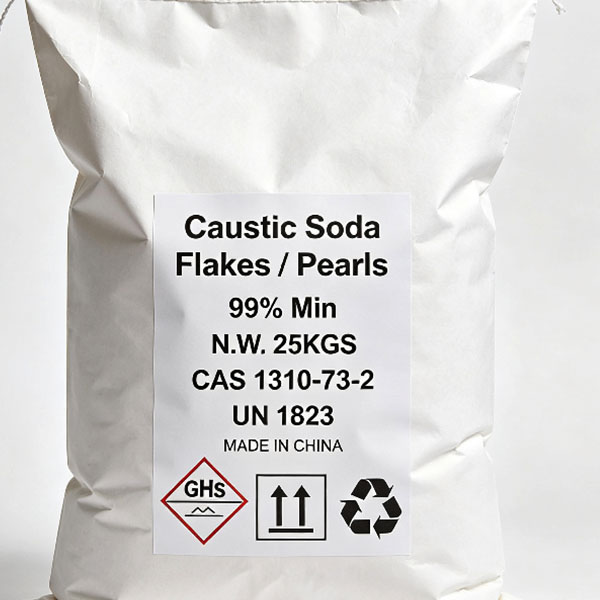
- CAS No.: 1310-73-2
- UN No.: 1823
- HS Code: 2815110000
- Hazard Classification: Class 8
- Density: 2.13 g/cm³ (20°C, solid)
- Purity: ≥99.0% (as NaOH; Sodium Carbonate ≤0.5%, Sodium Chloride ≤0.03%, Iron Oxide (Fe₂O₃) ≤0.008%)
For complete and detailed parameter specifications of this product, please contact our staff to obtain the latest test report for the corresponding batch.
Product Applications
- Chemical Raw Material: Used to produce sodium silicate, sodium phosphate, sodium sulfide, sodium cyanide, and various other sodium salts; also used in alumina production (Bayer process);
- Papermaking and Textiles: Used as a pulp cooking agent, paper bleaching aid, and for cotton fabric mercerization, desizing, and printing/dyeing auxiliaries;
- Daily Chemicals and Cleaning: Used to produce soap base, detergents, drain cleaners, and industrial heavy-duty degreasing cleaners;
- Water Treatment and Metallurgy: Used for wastewater pH adjustment and heavy metal ion removal, as well as metal surface treatment and electroplating pretreatment;
- Petroleum and Food: Used for petroleum refining deacidification, drilling fluid adjustment, and food-grade applications (requires food-grade qualified source).
Packaging, Storage & Transportation
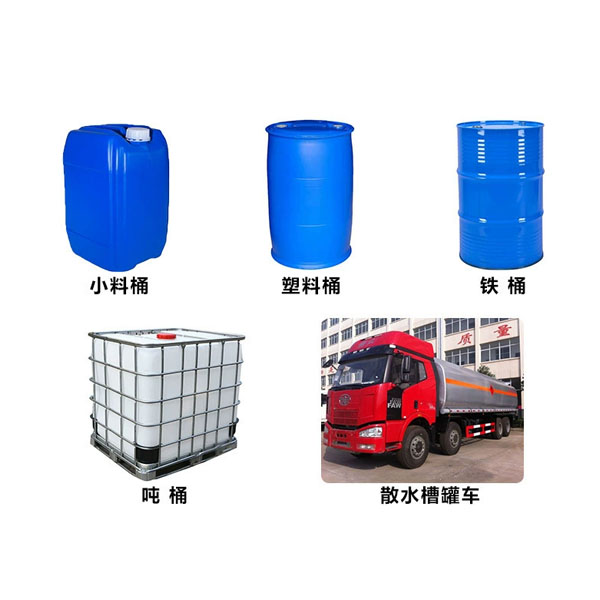
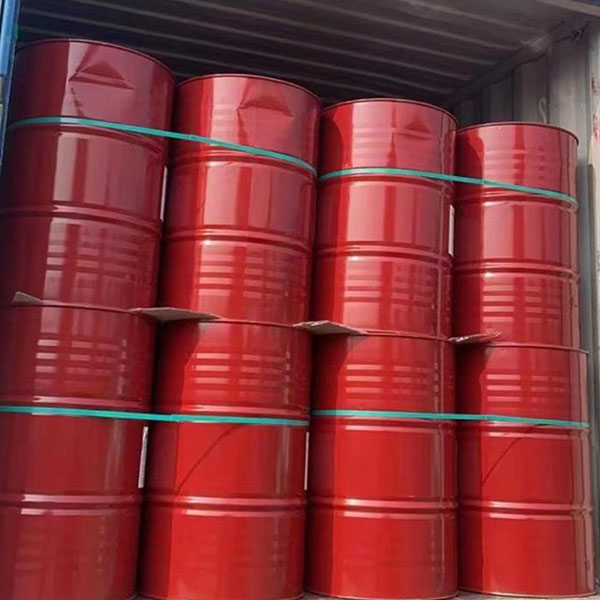
Packaging: Standard packaging in 25kg woven bags with plastic liner; 500kg and 1000kg jumbo bags available for large volumes, with liquid caustic shipped via tank container or tank truck.
Storage: Classified as a Class 8 corrosive substance, UN No. 1823. Must be stored in a dry, well-ventilated warehouse dedicated to corrosive substances, with strict protection against moisture and rain — this product is highly hygroscopic and prone to deliquescence, and readily absorbs carbon dioxide to form sodium carbonate, resulting in reduced content and caking. Must be strictly stored separately from acids, flammable materials, organic substances, and reactive metal powders (aluminum, zinc powder) — never store together (contact between NaOH and aluminum or zinc releases hydrogen gas). Packaging must remain fully sealed and stored on raised platforms, with the warehouse floor kept dry.
Transportation: Transported in accordance with Class 8 corrosive substance regulations, protected against rain and moisture throughout transit. Handle gently during loading and unloading to prevent packaging damage and dust generation; personnel must wear corrosion-resistant gloves, goggles, dust masks, and protective clothing, with eyewash stations and an ample supply of clean water available on site. When dissolving, solid caustic must be slowly added to water with stirring to dissipate heat — water must never be added to solid caustic, to prevent violent exothermic splattering.
Product Advantages
- Stable supply sources with long-term spot inventory available, suitable for large-volume foreign trade orders;
- Stable product purity with minimal batch-to-batch variation, suitable for downstream deep-processing production;
- Backed by a comprehensive chemical supply chain system, enabling one-stop procurement combined with multiple categories of chemical raw materials.