Product Introduction
Sodium Fatty Alcohol Polyoxyethylene Ether Sulfate (abbreviated as AES, internationally known as SLES), CAS No. 68585-34-2, molecular formula RO(CH₂CH₂O)ₙSO₃Na (where R is C12~C14 alkyl, n≈2~3). The 70% grade appears as a white to pale yellow viscous paste or gel, readily soluble in water, and complies with standard GB/T 13529. Industrially, it is produced by sulfonation of fatty alcohol polyoxyethylene ether with sulfur trioxide, followed by neutralization. AES is one of the most widely used anionic surfactants, offering excellent detergency, emulsification, and foaming properties. It produces fine, creamy white foam, has superior hard-water resistance compared to K12 (sodium lauryl sulfate), and is milder to skin and eyes. It exhibits good compatibility with all types of surfactants except cationics, making it the primary surfactant in shampoos, body washes, and dishwashing detergents.
Basic Product Specifications
- CAS No.: 68585-34-2
- UN No.: None
- HS Code: 3402390000
- Hazard Class: Non-hazardous (general cargo)
- Density: Approx. 1.03–1.05 g/cm³ (25°C)
- Purity: Active matter content 70% ± 2%; Unsulfonated matter ≤2.0%, Sodium sulfate ≤1.0%, pH (25°C, 2% aqueous solution) 7.0–9.5, Color (Klett, 5%) ≤10
For complete and detailed parameter specifications, please contact our staff to obtain the latest test report for the corresponding batch.
Product Applications
- Personal Care: Used as the primary surfactant in shampoos, body washes, hand soaps, and foam mousses, providing rich lather and a smooth feel during washing.
- Household Cleaning: Used in dishwashing detergents, laundry liquids, laundry powders, and compound soaps, offering strong detergency and hard-water resistance.
- Hard Surface Cleaners: Formulated into glass cleaners, car wash agents, and industrial cleaners, often blended with CAB, 6501, and APG for thickening and foam stabilization.
- Textile and Dyeing: Employed as a wetting agent, scouring agent, penetrant, and anti-static smoothing agent in textile and dyeing processes.
- Other Industrial Applications: Used in papermaking, leather degreasing, petroleum extraction (as an oil-displacement adjuvant), and as an emulsifier in emulsion polymerization.
Packaging, Storage, and Transport
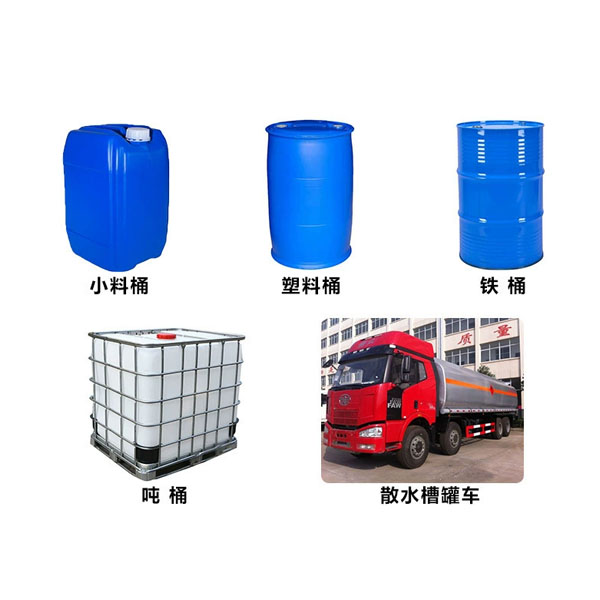
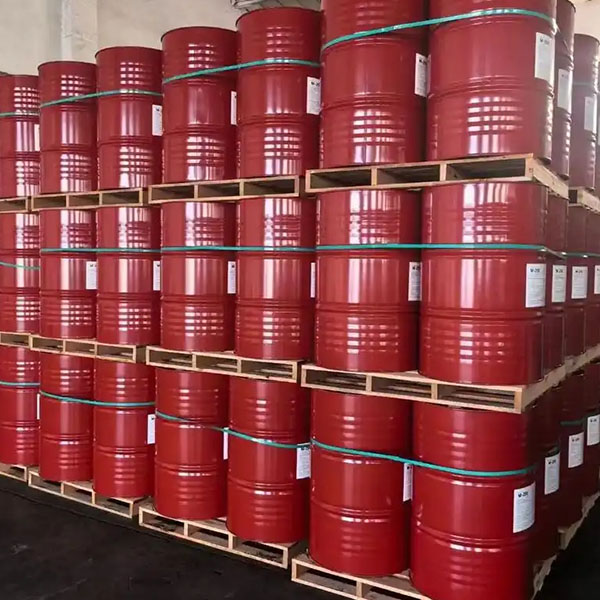
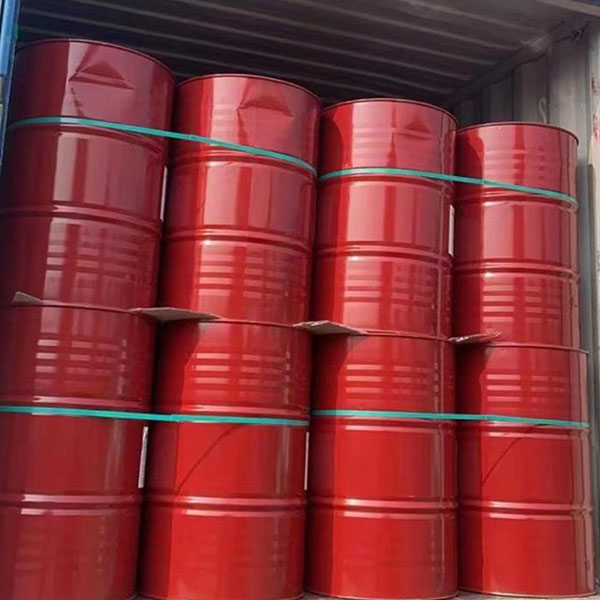
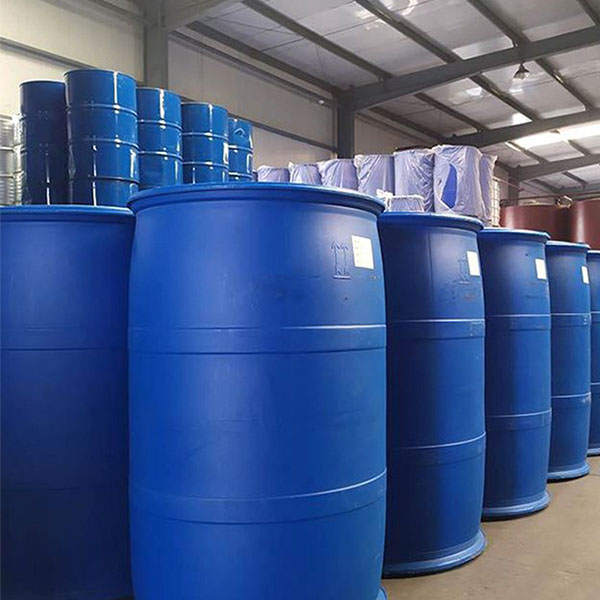
- Packaging: Conventional 170 kg or 200 kg plastic drums; bulk quantities are available in 1000 kg IBC totes for shipment.
- Storage: Not classified as a dangerous chemical (general cargo, no UN number), and shall be stored as general goods. Must be kept in a cool, dry, well-ventilated area, sealed and protected from high temperatures and direct sunlight. Special attention: Storage temperature must not exceed 50°C — alkyl ether sulfates undergo hydrolytic decomposition at high temperatures (>50°C) or under acidic conditions (pH<5), resulting in a decrease in active matter content. Keep separate from oxidizing agents and avoid mixed storage. Under sealed, room-temperature conditions, the shelf life is generally 1–2 years. If slight stratification or cloudiness occurs after storage, it usually does not affect usability after thorough mixing.
- Transport: Transported as general cargo; ordinary box trucks are sufficient, with no hazardous goods documentation required. Protect from rain, contamination, and package damage during loading and unloading.
- Usage Tip: When diluting, the high-active product should be slowly added to preheated water (40–50°C) with stirring. Never add water directly to the AES concentrate, as this can easily form a highly viscous gel that is difficult to disperse.
Product Advantages
- Reliable supply with long-term stock availability, suitable for large-volume export orders.
- Stable purity with minimal batch-to-batch variation, ideal for downstream processing and production.
- Supported by a complete chemical supply chain system, enabling one-stop consolidated procurement of multiple chemical raw materials.