Product Introduction
Phosphoric Acid (orthophosphoric acid), CAS No. 7664-38-2. The 85% grade appears as a colorless to slightly yellow transparent viscous liquid, odorless, and miscible with water in all proportions. Industrially, there are two production routes: thermal process phosphoric acid (produced by burning yellow phosphorus followed by hydration, offering high purity and low impurities) and wet process phosphoric acid (produced by acidulation of phosphate rock with sulfuric acid followed by purification, offering lower cost). The 85% concentration is the standard commercial grade of phosphoric acid. It is a medium-strength acid that also exhibits corrosion inhibition and chelating properties. The product is classified by purity into industrial grade, food grade, and electronic grade: industrial grade is used in phosphates, water treatment, and metal surface treatment; food grade is used as an acidulant and acidity regulator; electronic grade is used in semiconductor and panel etching.
Basic Product Specifications
- CAS No.: 7664-38-2
- UN No.: 1805
- HS Code: 2809201900
- Hazard Class: Class 8
- Density: 1.685–1.689 g/cm³ (20°C, for 85% concentration)
- Purity: H₃PO₄ content ≥85.0%; Chlorides ≤0.0005%, Sulfates ≤0.003%, Iron ≤0.002%, Arsenic ≤0.0001% (food grade additionally complies with GB 1886.15)
For complete and detailed parameter specifications, please contact our staff to obtain the latest test report for the corresponding batch.
Product Applications
- Phosphate Manufacturing: Production of monoammonium phosphate, diammonium phosphate, sodium tripolyphosphate, sodium hexametaphosphate, and various other phosphates.
- Metal Surface Treatment: Used as a phosphating agent, polishing solution, and rust remover for phosphating, pickling, and chemical polishing of steel and aluminum materials.
- Food and Beverage: Used as an acidulant and acidity regulator in carbonated beverages (cola-type), jams, and food processing (food grade).
- Water Treatment and Scale Inhibition: Production of water stabilizers, scale inhibitors and corrosion inhibitors, as well as anti-corrosion treatment for drinking water pipelines.
- Electronics and Others: Used as an etchant for semiconductors and LCD panels (electronic grade), as well as in feed phosphates, fertilizers, catalyst carriers, and dental materials.
Packaging, Storage, and Transport
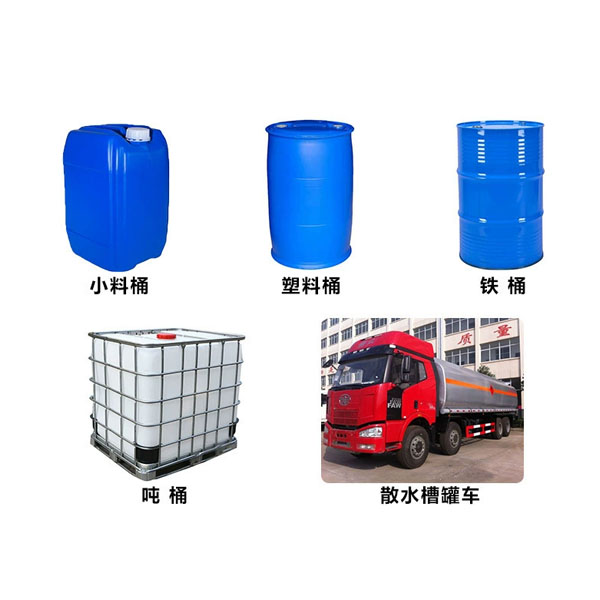
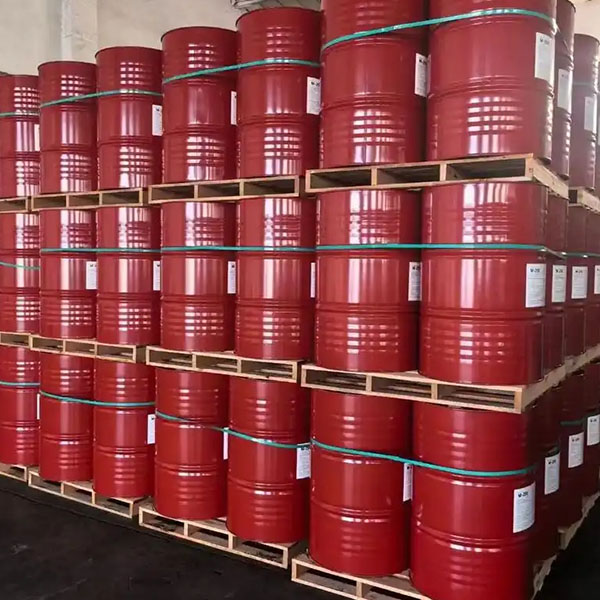
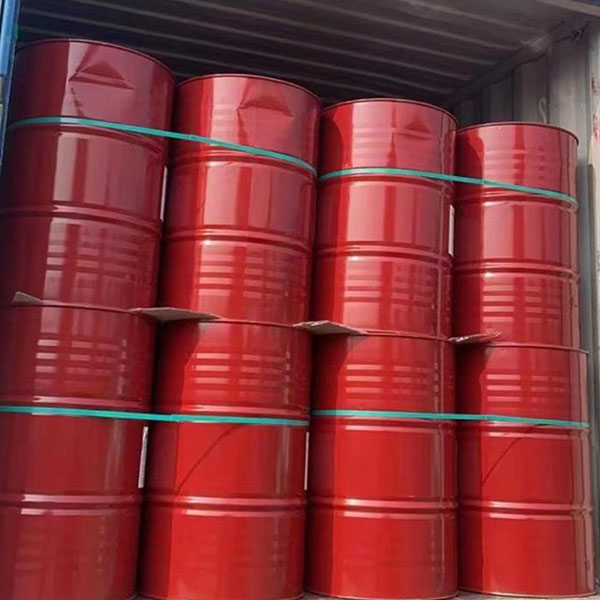
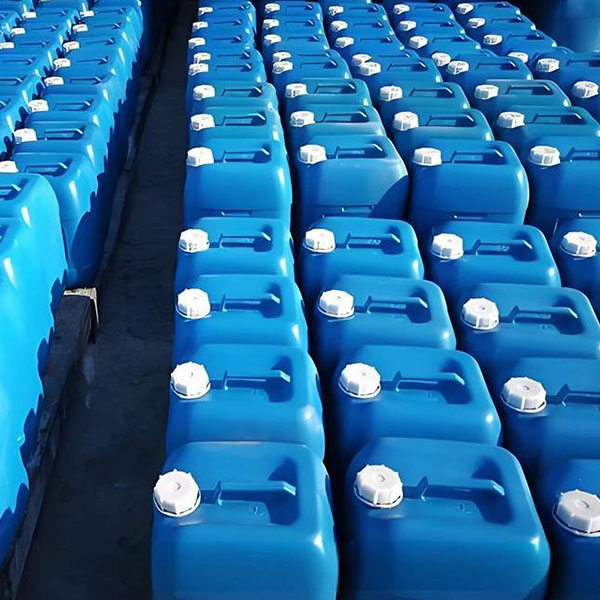
- Packaging: Conventional 35 kg or 330 kg HDPE plastic drums; bulk quantities are available in 1000 L IBC totes, lined ISO tanks, and tank trucks for shipment. Food-grade products are packed in specially cleaned containers with tamper-evident seals.
- Storage: Classified as a Class 8 corrosive substance, UN No. 1805. Must be stored in a cool, well-ventilated dedicated corrosive goods warehouse, protected from high temperatures. The freezing point of 85% phosphoric acid is approx. 21°C, so crystallization may occur in winter at low temperatures. In northern regions, storage tanks must be equipped with heat tracing and insulation. Crystallized material can be slowly heated (not exceeding 60°C) to dissolve, without affecting quality. Keep separate from alkalis, active metal powders, and cyanides. Container materials must be HDPE, 316L stainless steel, or lined equipment; ordinary carbon steel, copper, and aluminum are prohibited.
- Transport: Must be transported in compliance with Class 8 corrosive goods regulations; vehicles must display corrosive substance warning signs. During long-distance transport in winter, anti-crystallization measures must be taken, and insulated trucks should be used when necessary. During loading and unloading, operators must wear acid-resistant gloves, goggles, face shields, and protective clothing. Eyewash stations, ample clean water, and dilute alkaline neutralization solution must be available on-site. Food-grade products must be transported in dedicated vehicles with documented cleaning records and previous cargo logs.
Product Advantages
- Reliable supply with long-term stock availability, suitable for large-volume export orders.
- Stable purity with minimal batch-to-batch variation, ideal for downstream processing and production.
- Supported by a complete chemical supply chain system, enabling one-stop consolidated procurement of multiple chemical raw materials.