Product Introduction
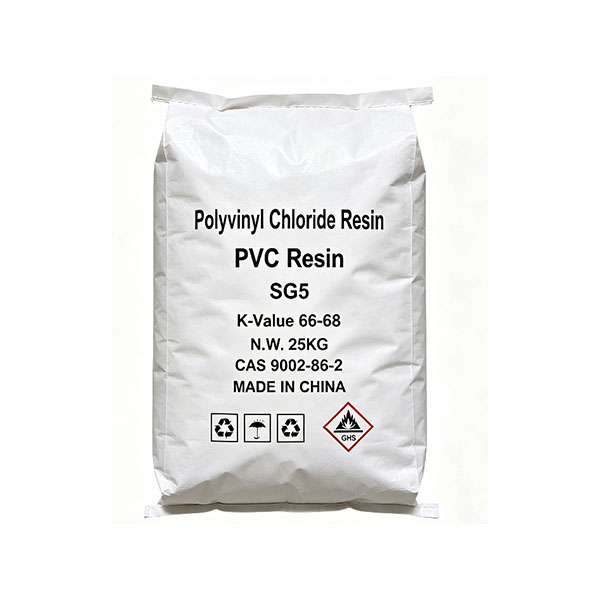
Polyvinyl Chloride Resin (abbreviated PVC resin), CAS No. 9002-86-2, is a white, loose powder that is odorless and tasteless. Industrially, it is mainly produced from vinyl chloride monomer (VCM) via the suspension polymerization process, with bulk polymerization and emulsion polymerization (paste resin) processes also available. We primarily supply the general-purpose suspension grade SG-5 (K-value 66–68), which is the mainstream grade used for both rigid and flexible products; grades SG-3, SG-7, SG-8, and paste resin are also available upon request. PVC is one of the five major general-purpose plastics, with its greatest advantages being inherent flame retardancy due to its high chlorine content, excellent chemical corrosion resistance, good electrical insulation properties, and extremely high cost-effectiveness. It also offers broad formulation flexibility — adding a plasticizer produces flexible products, while omitting it produces rigid products.
Basic Product Specifications
- CAS No.: 9002-86-2
- UN No.: None
- HS Code: 3904109000
- Hazard Class: General Cargo
- Density: Apparent density 0.48–0.58 g/mL; true resin density approx. 1.40 g/cm³
- Purity: SG-5 grade: K-value 66–68, viscosity number 107–118 mL/g; Volatiles (including moisture) ≤0.40%, Impurity particle count ≤16, Whiteness (160°C×10min) ≥78%, Residue on sieve (250μm) ≤2.0%
For complete and detailed specifications of this product, please contact our staff to obtain the latest test report for the corresponding batch.
Product Applications
- Rigid products: Used to produce PVC pipes and fittings, profiles (doors and windows), sheets, corrugated tiles, and rigid sheeting;
- Flexible products: With the addition of plasticizers, used to produce cable compounds, hoses, films, artificial leather, flooring, and sealing strips;
- Packaging materials: Used to produce PVC rigid sheets, blister packaging, shrink film, and pharmaceutical blister packs (pharmaceutical use requires dedicated grades);
- Building and decorative materials: Used in PVC flooring, ceiling panels, wall panels, guardrails, and plastic-steel profiles;
- Other applications: Used to produce artificial leather, raincoats, gloves, toys, and stationery products.
Packaging, Storage, and Transportation
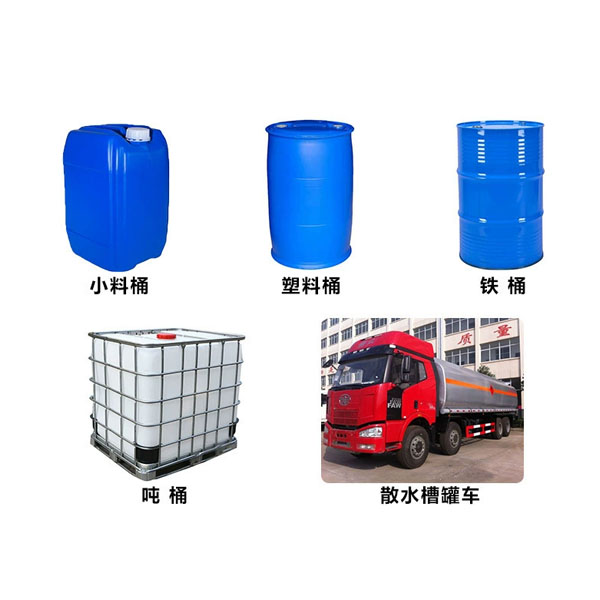
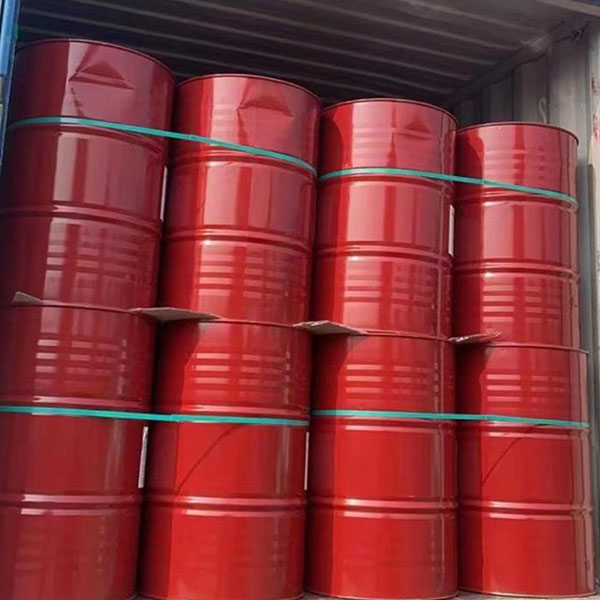
Packaging: Standard packaging in 25kg woven bags with plastic liners; for large volumes, 500kg or 1000kg jumbo bags are available, or bulk shipment via powder tanker trucks.
Storage: Not classified as a hazardous chemical; store as general cargo. Must be stored in a dry, well-ventilated, clean warehouse, protected from rain and moisture — moisture exposure can cause volatile content to exceed specification and lead to bubble formation during processing, affecting the appearance of finished products. Keep away from heat sources and ignition sources, and avoid prolonged direct sunlight exposure to prevent early-stage yellowing of the resin. Stack neatly on raised platforms, with stacking height controlled according to packaging strength to prevent damage to bottom-layer packaging. The warehouse must be dust-proof and contamination-proof, and should not be stored together with pigments, oils, or colored materials.
Transportation: Transport as general cargo; ordinary box trucks or containers are suitable. During loading and unloading, handle gently to prevent packaging damage and powder leakage, and protect against rain exposure and moisture throughout transport. When handling bulk powder, dust control measures must be implemented on-site, and operators are recommended to wear dust masks.
Product Advantages
- Stable supply sources with long-term spot availability, suitable for large-volume foreign trade orders;
- Consistent product purity with minimal batch-to-batch variation, suitable for downstream deep-processing production;
- Backed by a comprehensive chemical supply chain system, enabling one-stop procurement across multiple categories of chemical raw materials.