Product Introduction
Anhydrous Citric Acid, CAS No. 77-92-9, is a colorless to white translucent crystalline solid or crystalline powder, odorless with an intensely sour taste, and readily soluble in water. Industrially, it is produced via biological fermentation: corn, tapioca starch, or molasses is fermented using Aspergillus niger, followed by extraction and refinement via the calcium salt method or extraction method, and finally crystallized and dried at temperatures above 36.6°C to obtain the anhydrous form (below this temperature yields the monohydrate form). Citric acid is the most widely used organic acid globally, valued for its high safety, mild taste, strong chelating ability, and complete biodegradability, with extensive applications in food and beverages, household chemicals, pharmaceuticals, and water treatment. We can supply both food-grade (GB 1886.235/USP/BP/E330) and industrial-grade product.
Basic Product Specifications
- CAS No.: 77-92-9
- UN No.: None
- HS Code: 2918140000
- Hazard Class: General Cargo
- Density: 1.665 g/cm³ (20°C, solid)
- Purity: ≥99.5% (Food grade: content 99.5%–100.5%, Moisture ≤0.5%, Sulfated ash ≤0.05%, Oxalate ≤100mg/kg, Heavy metals ≤5mg/kg, Arsenic ≤1mg/kg)
For complete and detailed specifications of this product, please contact our staff to obtain the latest test report for the corresponding batch.
Product Applications
- Food and beverages: Used as an acidulant, pH regulator, antioxidant synergist, and preservative aid in carbonated drinks, juices, confectionery, jams, and canned goods (food grade);
- Household chemicals: Used as a chelating agent and descaling agent in laundry detergent, dishwasher tablets, bathroom cleaners, and limescale removers, and also used for pH adjustment in cosmetics;
- Pharmaceuticals and healthcare: Used as a pharmaceutical excipient, acid source in effervescent tablets, and raw material for anticoagulants (sodium citrate);
- Water treatment and industrial applications: Used as a chemical cleaning agent for boilers and heat exchangers (ammonium citrate cleaning), a metal surface passivation agent, and a concrete set retarder;
- Other applications: Used as an electroplating complexing agent, textile dyeing auxiliary, feed acidifier, and in biodegradable materials (citrate ester plasticizers).
Packaging, Storage, and Transportation
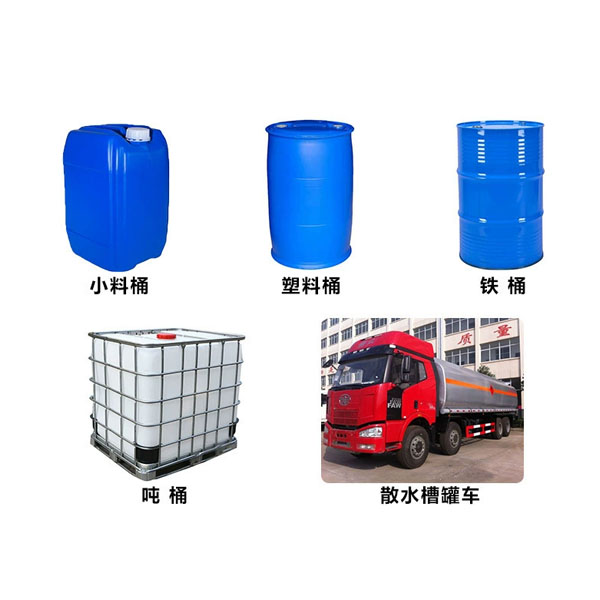
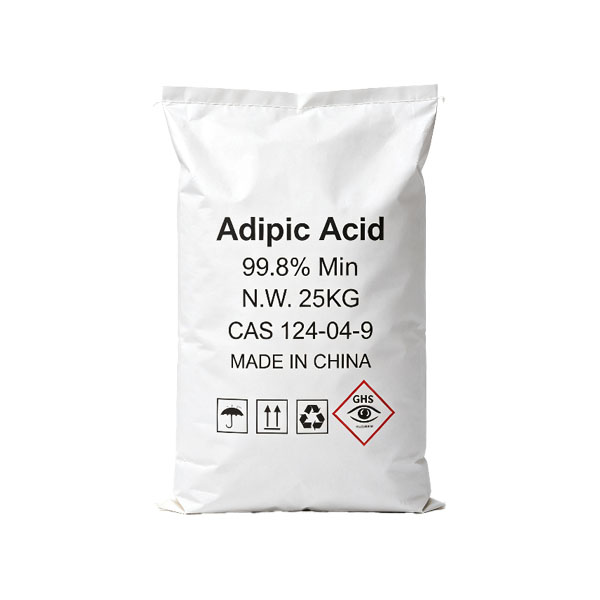
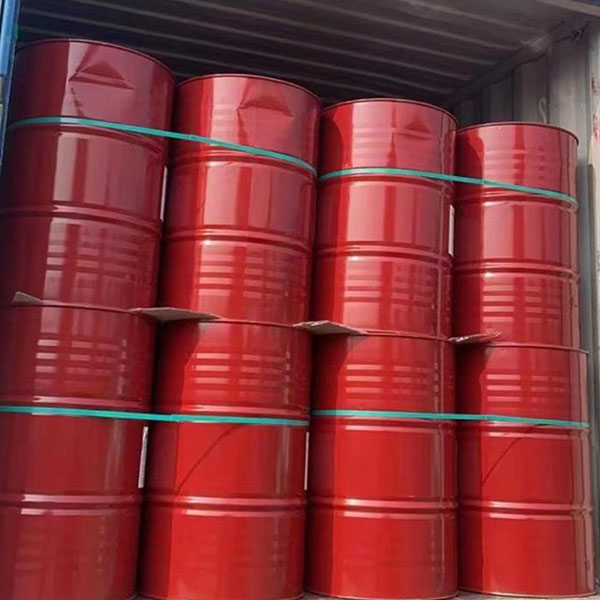
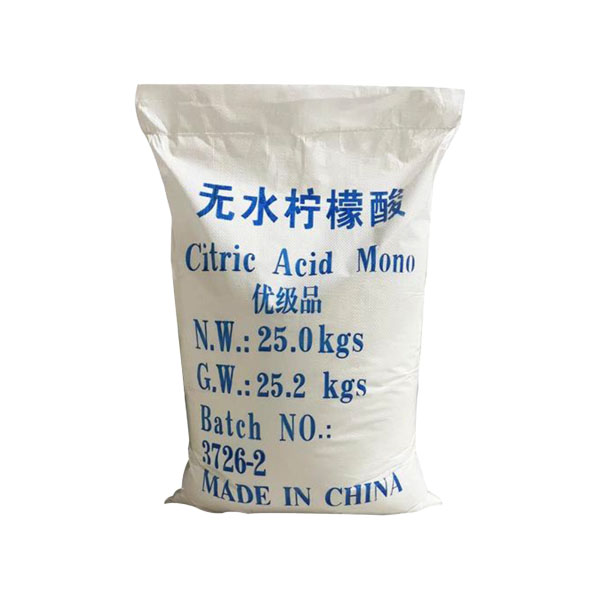
Packaging: Standard packaging in 25kg kraft paper bags or woven bags with food-grade plastic liners; for large volumes, 1000kg jumbo bags are available.
Storage: Not classified as a hazardous chemical; store as general cargo. Must be stored in a dry, well-ventilated, clean warehouse, protected from rain and moisture — this product is hygroscopic and prone to caking when exposed to moisture, potentially converting to the monohydrate form. Keep away from heat sources, strong oxidizers, strong alkalis, and metal oxides. Stack neatly on raised platforms, and keep the warehouse clean and dust-free. Food-grade and pharmaceutical-grade product must be stored in dedicated warehouses, and must not be stored together with pesticides, fertilizers, or toxic and hazardous materials.
Transportation: Transport as general cargo. During loading and unloading, handle gently to prevent packaging damage and moisture exposure, and protect against rain exposure throughout transport. Operators are recommended to wear dust masks, protective goggles, and gloves (citric acid dust is irritating to the eyes and respiratory tract, and is corrosive to tooth enamel). Food-grade product transportation must use clean, dedicated transport vehicles, with previous cargo and cleaning records retained.
Product Advantages
- Stable supply sources with long-term spot availability, suitable for large-volume foreign trade orders;
- Consistent product purity with minimal batch-to-batch variation, suitable for downstream deep-processing production;
- Backed by a comprehensive chemical supply chain system, enabling one-stop procurement across multiple categories of chemical raw materials.