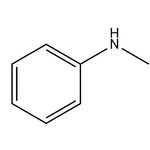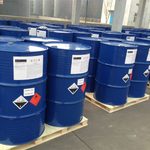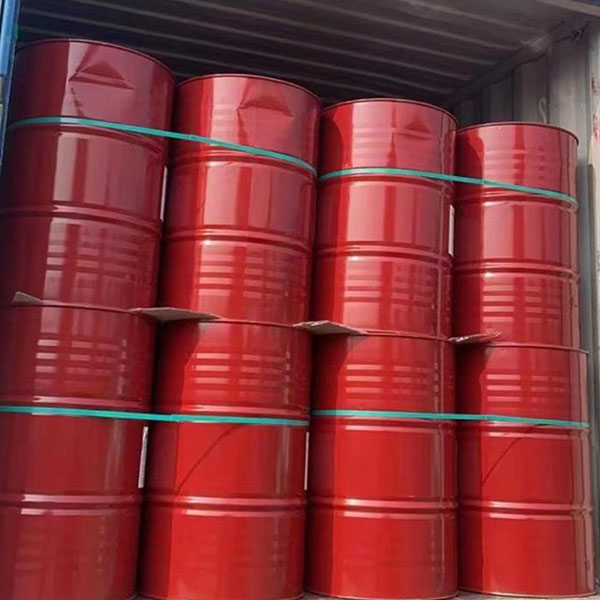
Aniline (also known as aminobenzene or aniline oil) has the molecular formula C6H7N. It is classified as highly toxic and has a certain carcinogenic effect.
It is a colorless to light yellow transparent liquid that may turn brown after prolonged storage. It is volatile and has a strong odor. Its melting point is -6.2°C, boiling point is 184.3°C, and vapor density is 3.22 g/L. It is slightly soluble in water but soluble in organic solvents such as benzene, ethanol, ether, and chloroform. It is combustible upon contact with open flames or high heat, and the flame produces smoke when burning. It reacts violently with acids, halogens, alcohols, and amines, which can lead to combustion.
If you’d like, I can also translate the rest of the article covering emergency response and leak-handling procedures if you share that content.
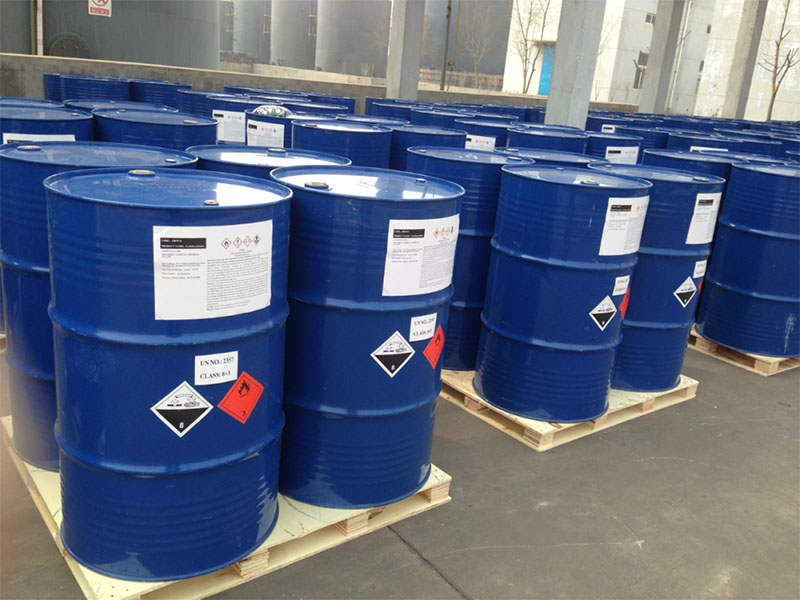
If a suspected aniline leak may develop into a dangerous chemical incident, the person in charge of the unit should report it to the local work safety supervision and administration department, as well as the environmental protection, public security, health, or transportation authorities, providing details such as the time and location of the incident, the type and quantity of hazardous chemical involved, on-site conditions, measures already taken, and the name and contact number of the contact person. An emergency call should also be made simultaneously.
All personnel in the contaminated area should quickly evacuate to a safe area in the crosswind or upwind direction. An isolation zone should be established based on the area affected by liquid flow and vapor diffusion, with warning signs posted and guards stationed to strictly restrict the entry and exit of unauthorized personnel.
Emergency responders should wear gas masks or self-contained breathing apparatus as required, along with standard-compliant face shields or goggles, protective clothing, and rubber boots, and should avoid direct contact with the spilled substance. They should enter the site from the upwind direction, cut off ignition sources, and remove flammable and combustible materials; the source of the leak should be cut off whenever possible. Depending on the condition of the leaking container, appropriate sealing equipment should be used to plug the leak, while simultaneously transferring the contents to another tank. Dry sand or cement should be used to build a containment barrier to prevent the substance from flowing into sewers, drainage ditches, or other confined spaces.
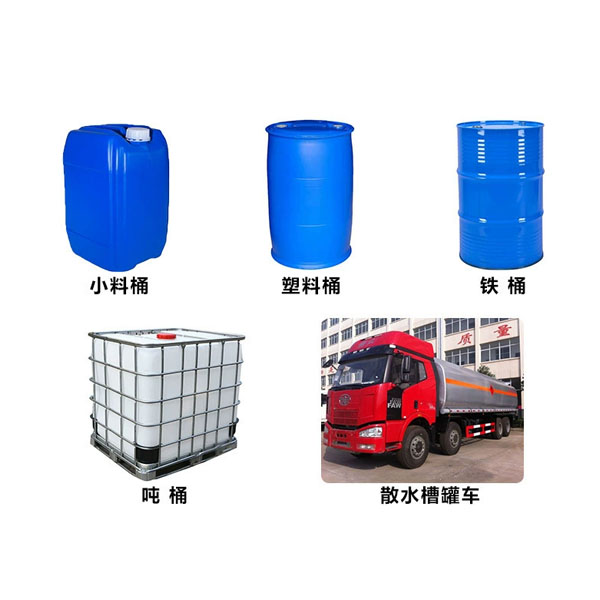
For small spills, absorb and cover the spill with sand or other non-combustible materials, then collect it into a sealed container. For large spills, in addition to building containment dikes or digging collection pits, water spray or foam should be used to cool and dilute the aniline vapor, and the liquid should be pumped into a tanker truck or dedicated collection container for recovery or disposal.
After the emergency response is completed, the leaking equipment, as well as the rescue equipment and vehicles, should be properly handled in a timely manner. Emergency responders should undergo decontamination before removing their protective equipment upon leaving the site.
Contaminated road surfaces should be thoroughly rinsed with large amounts of water, and the rinse water should be collected and treated uniformly. If the leak enters a body of water, personnel should be organized to set up guard posts along the riverbanks or around the lake, and all activities such as drawing water, using water, or fishing should be strictly prohibited. Activated carbon can be used to adsorb aniline that has leaked into the water. Depending on the extent of contamination, a dam may be built downstream of the incident site to prevent contaminated river water from flowing further downstream, and local residents should be prohibited from drawing drinking water from wells near the river.
Fire-fighting measures
If a fire occurs on site, it will produce harmful combustion products such as carbon monoxide, carbon dioxide, and nitrogen oxides. Firefighters must wear gas masks, and water, foam, carbon dioxide, or sand should be used as extinguishing agents. Firefighting should be conducted from a safe distance and from the upwind direction.