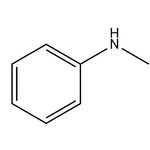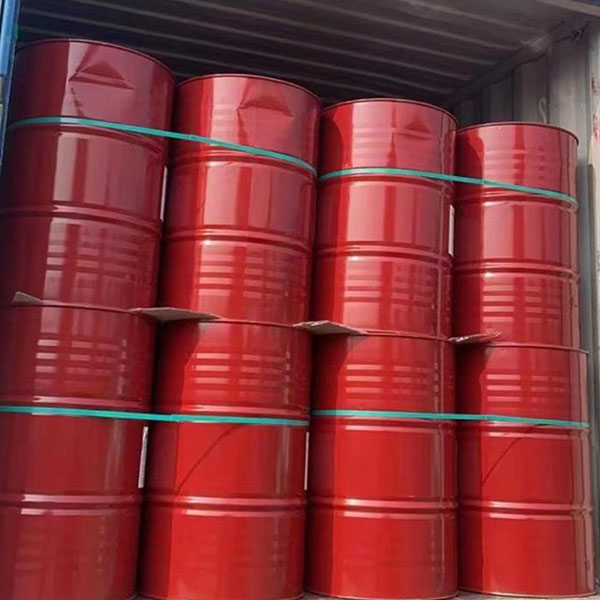
Aniline, also known as aminobenzene, is a colorless oily liquid at room temperature. It is a crucial midstream chemical intermediate within the chemical industry system, playing a pivotal, connecting role in the polyurethane industry chain.
Upstream Raw Materials and Mainstream Production Process
The upstream raw materials for aniline production mainly include pure benzene, synthetic ammonia, nitric acid, concentrated sulfuric acid, and hydrogen.
Domestic industrial production essentially adopts the catalytic hydrogenation reduction of nitrobenzene process: first, a mixed acid system (concentrated nitric acid + concentrated sulfuric acid) is used as the catalytic system to nitrate benzene and obtain nitrobenzene; the nitrobenzene then undergoes hydrogenation reduction with hydrogen under catalytic conditions to ultimately produce aniline. This route is the uniform choice for all domestic production facilities.
China’s total aniline production capacity is approximately 4.8 million tons per year.
Downstream Industry Chain: MDI as the Absolute Dominant Consumer
The consumption structure of aniline is highly concentrated, with nearly 80% of aniline used to produce MDI (diphenylmethane diisocyanate). The remaining portion flows into fields such as rubber additives, pharmaceuticals, pesticides, dye intermediates, and cyclohexylamine.
MDI is the core raw material of the polyurethane industry and is widely used in polyurethane products, elastomers, industrial coatings, and other fields.
Currently, the mainstream industrial process for MDI is the phosgene method: aniline first reacts with formaldehyde to form MDA (diphenylmethane diamine), and the MDA then reacts with phosgene to synthesize MDI.
Non-phosgene routes are divided into the urea method and the dimethyl carbonate method. Among these, the urea method has a relatively higher level of technical maturity and avoids the drawbacks of phosgene’s high toxicity and high safety risk; however, due to limitations in product yield and finished product quality, it has not yet achieved large-scale industrial implementation. Biological methods for producing MDI are still in the research and experimental stage.