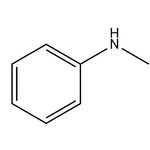
N-Methylaniline (chemical formula C6H5NHCH3) is an organic compound produced from aniline (a common aromatic amine) through a methylation reaction. Simply put, it is the product formed when one hydrogen atom in the aniline molecule is replaced by a methyl group (-CH3). This structural change gives it unique properties: compared to aniline, N-methylaniline has stronger basicity, better solubility, and higher stability, making it more favored in industrial applications. Despite its complex-sounding name, it is actually easy to synthesize in the laboratory, typically produced through the reaction of aniline with methanol or dimethyl sulfate. This efficient preparation method has made N-methylaniline a “regular” in the chemical industry.
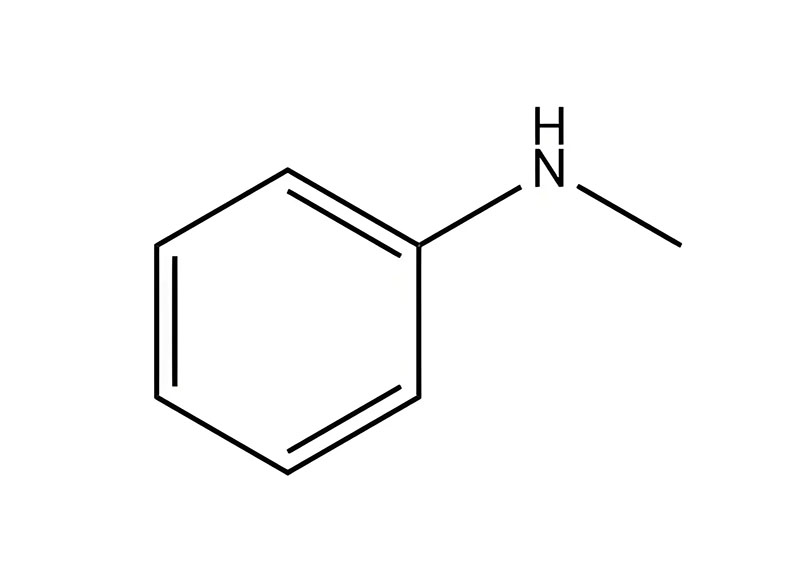
Main Uses of N-Methylaniline:
1. Organic Synthesis Intermediate
N-Methylaniline is an important raw material for the synthesis of various organic compounds. It can participate in numerous chemical reactions to produce various organic compounds with specific functions. This intermediate property gives N-methylaniline an important position in the chemical industry.
2. Dye Industry
In the dye industry, N-methylaniline is used to produce various dyes, such as Cationic Brilliant Red FG, Cationic Pink B, and Reactive Yellow-Brown KGR. These dyes are widely used in textiles, printing and dyeing, and other fields, providing rich colors for products.
3. Pesticide Production
N-Methylaniline is also an important raw material for the production of certain pesticides. For example, it can be used as an intermediate for the insecticide buprofezin, as well as an intermediate for the herbicide mefenacet. These pesticides play an important role in agricultural production, helping farmers control pests and diseases and improve crop yields.
4. Rubber Additives
In the rubber industry, N-methylaniline can be used as a rubber additive to improve the performance of rubber products. For example, it can enhance the wear resistance and aging resistance of rubber, making rubber products more durable.
5. Stabilizer in Explosives
N-Methylaniline can also be used to produce stabilizers in explosives, adjusting the explosive performance of explosives to ensure they achieve the expected effect during use.
6. Solvent and Acid Absorbent
In addition, N-methylaniline can be used as a solvent and acid absorbent. It can dissolve various organic substances and absorb acidic substances produced during chemical reactions, thereby protecting equipment and products from corrosion.
7. Gasoline Additive
In the gasoline blending process, N-methylaniline can be used as an anti-knock agent to increase the octane number of gasoline. The use of this additive can improve the combustion performance of gasoline, reduce engine knocking, and improve engine operating efficiency and stability.
8. Other Fields
In addition to the main uses mentioned above, N-methylaniline also has certain applications in the optoelectronic field. For example, it can be used as an electron transport material in organic solar cells, promoting the conversion and storage of photoelectric energy.
N-Methylaniline is a versatile organic compound with important application value in multiple fields, including chemical synthesis, the dye industry, pesticide production, the rubber industry, explosives manufacturing, solvents and acid absorbents, gasoline additives, and the optoelectronic field. This is why it is also known as an “industrial treasure.”